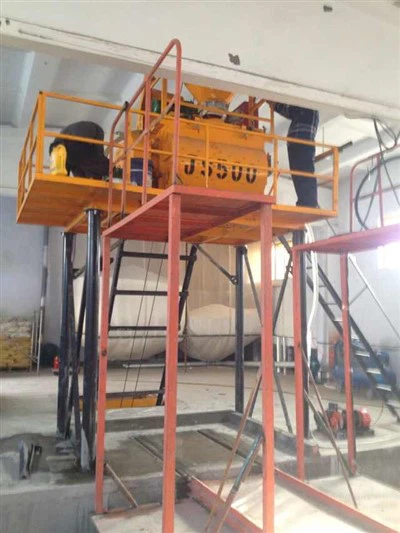

Hey there! As a supplier of Fiber Cement Board Equipment, I often get asked about the vibration level of our machines during operation. It's a crucial aspect that can impact not only the performance of the equipment but also the quality of the final product. So, let's dive right into it and explore what the vibration level of fiber cement board equipment is all about.
Understanding Vibration in Fiber Cement Board Equipment
First off, what exactly causes vibration in fiber cement board equipment? Well, there are several factors at play. The mechanical components within the machinery, such as motors, belts, and gears, generate vibrations as they move and interact with each other. Additionally, the process of forming and pressing the fiber cement boards can also introduce vibrations. For example, when the mixture is being fed into the mold and compressed, it creates forces that can cause the equipment to vibrate.
Now, you might be wondering why the vibration level matters. Well, excessive vibration can lead to a whole host of problems. It can cause wear and tear on the equipment, reducing its lifespan and increasing the need for maintenance. Moreover, high vibration levels can affect the quality of the fiber cement boards. It can lead to uneven surfaces, cracks, or other defects, which can ultimately result in a lower-quality product.
Measuring Vibration Levels
So, how do we measure the vibration level of fiber cement board equipment? There are several methods and tools available for this purpose. One common approach is to use accelerometers. These devices can measure the acceleration of the vibrations and provide data on their magnitude, frequency, and direction. By analyzing this data, we can get a better understanding of the vibration characteristics of the equipment.
Another important aspect is to establish acceptable vibration limits. Different types of fiber cement board equipment may have different vibration tolerance levels. These limits are typically determined based on factors such as the design of the equipment, the materials being used, and the desired quality of the final product. By monitoring the vibration levels and comparing them to the acceptable limits, we can ensure that the equipment is operating within a safe and efficient range.
Controlling Vibration Levels
Once we have a good understanding of the vibration levels and their causes, the next step is to take measures to control them. There are several ways to do this. One approach is to optimize the design of the equipment. This can involve using high-quality components that are less likely to generate excessive vibrations, as well as implementing vibration-damping materials or structures.
Another important strategy is to perform regular maintenance on the equipment. This includes tasks such as lubricating the moving parts, tightening loose bolts, and replacing worn-out components. By keeping the equipment in good condition, we can reduce the likelihood of excessive vibrations.


In addition, proper installation of the equipment is crucial. It should be installed on a stable and level surface to minimize the transfer of vibrations. Moreover, the equipment should be properly aligned to ensure smooth operation.
Our Experience as a Supplier
As a supplier of Fiber Cement Board Equipment, we have extensive experience in dealing with vibration issues. We understand the importance of maintaining low vibration levels to ensure the performance and longevity of our equipment, as well as the quality of the final product.
We use state-of-the-art technology and high-quality materials in the design and manufacturing of our equipment. Our engineers conduct thorough testing and analysis to ensure that the vibration levels are within the acceptable limits. We also provide comprehensive training and support to our customers to help them operate and maintain the equipment properly.
Related Equipment
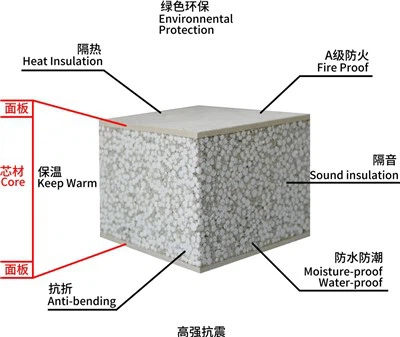
If you're in the market for fiber cement board equipment, you might also be interested in our other products. We offer an EPS Cement Sandwich Panel Production Line that is designed to produce high-quality sandwich panels. These panels are widely used in the construction industry for their insulation and structural properties.
We also have Partition Panel Production Equipment that can be used to manufacture partition panels. These panels are ideal for creating separate spaces within buildings.
And of course, our Fiber Cenment Board Production Equipment is designed to produce high-quality fiber cement boards that are durable, fire-resistant, and environmentally friendly.
Contact Us for Procurement
If you're interested in learning more about our fiber cement board equipment or any of our other products, we'd love to hear from you. Whether you have questions about the vibration levels, the features of the equipment, or the procurement process, our team of experts is here to help. We can provide you with detailed information, technical specifications, and pricing.
So, don't hesitate to reach out to us if you're considering purchasing fiber cement board equipment. We're committed to providing you with the best products and services to meet your needs.
References
- "Handbook of Vibration Measurement" by Peter Avitabile
- "Mechanical Vibrations" by S. S. Rao
- Industry standards and guidelines for fiber cement board equipment