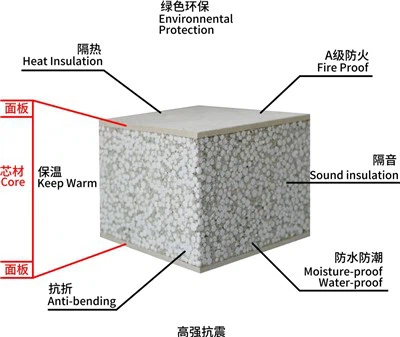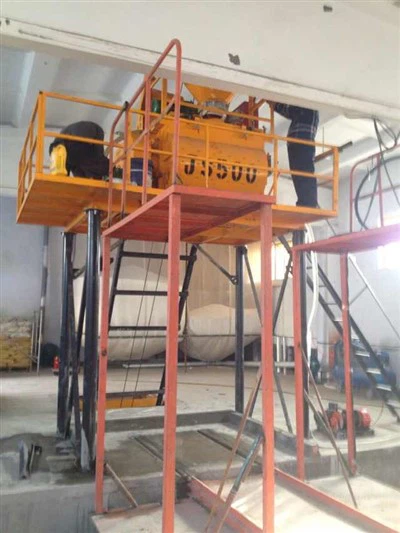

As a supplier of exterior wall sandwich panels, one question that frequently arises from our clients is whether these panels are prone to mildew. This concern is understandable, as mildew not only affects the aesthetic appeal of a building but can also pose health risks to its occupants. In this blog post, I will delve into the factors that contribute to mildew growth on exterior wall sandwich panels and discuss how our products are designed to mitigate these risks.
Understanding Mildew Growth
Mildew is a type of fungus that thrives in warm, damp, and poorly ventilated environments. It typically appears as a fuzzy or powdery substance on the surface of materials, often in shades of white, gray, or black. When it comes to exterior wall sandwich panels, mildew growth can occur due to several factors, including:
- Moisture Infiltration: If water penetrates the exterior wall sandwich panels, either through leaks in the building envelope or condensation, it creates a favorable environment for mildew to grow. This can happen if the panels are not properly installed, if the sealants around the panels are damaged, or if the building is located in an area with high humidity.
- Poor Ventilation: Adequate ventilation is essential for preventing moisture buildup on exterior wall sandwich panels. If the building has poor ventilation, moisture can become trapped inside the walls, leading to mildew growth. This can be a particular problem in areas with limited airflow, such as basements or crawl spaces.
- Organic Materials: Some exterior wall sandwich panels may contain organic materials, such as wood or paper, which can provide a food source for mildew. If these materials are not properly treated or protected, they can become a breeding ground for mildew.
Our Approach to Preventing Mildew Growth
At our company, we understand the importance of preventing mildew growth on exterior wall sandwich panels. That's why we take several steps to ensure that our products are resistant to mildew and other forms of moisture damage.
- High-Quality Materials: We use only the highest quality materials in the manufacturing of our exterior wall sandwich panels. Our panels are made from non-organic materials, such as concrete, steel, and foam, which do not provide a food source for mildew. Additionally, our panels are treated with special coatings and additives that help to repel water and prevent moisture infiltration.
- Proper Installation: We recommend that our exterior wall sandwich panels be installed by experienced professionals who are familiar with the proper installation techniques. Our installation instructions include detailed guidelines on how to seal the panels, install the insulation, and ensure proper ventilation. By following these guidelines, you can help to prevent moisture infiltration and mildew growth.
- Regular Maintenance: To ensure the long-term performance of our exterior wall sandwich panels, we recommend that they be inspected and maintained regularly. This includes checking for any signs of damage or wear, such as cracks or leaks, and addressing them promptly. Additionally, we recommend that the panels be cleaned periodically to remove any dirt or debris that may accumulate on the surface.
Our Product Range
We offer a wide range of exterior wall sandwich panels to meet the needs of different applications and budgets. Our product range includes:


- 90mm EPS Concrete Sandwich Board: This panel is made from a layer of expanded polystyrene (EPS) foam sandwiched between two layers of concrete. It offers excellent insulation properties, as well as high strength and durability.
- EPS Cement Concrete Sandwich Panel: This panel is similar to the 90mm EPS Concrete Sandwich Board, but it has a thicker layer of EPS foam for improved insulation. It is also available in a variety of thicknesses and sizes to meet the needs of different applications.
- Heat Insulation Prefabricated Cement Board: This panel is made from a layer of prefabricated cement board with a layer of insulation material attached to the back. It offers excellent heat insulation properties, as well as high strength and durability.
Conclusion
In conclusion, while exterior wall sandwich panels can be prone to mildew growth if they are not properly installed or maintained, our products are designed to resist mildew and other forms of moisture damage. By using high-quality materials, proper installation techniques, and regular maintenance, you can ensure that your exterior wall sandwich panels will provide long-term performance and protection for your building.
If you are interested in learning more about our exterior wall sandwich panels or would like to discuss your specific needs with one of our sales representatives, please contact us today. We look forward to working with you to find the perfect solution for your project.
References
- "Mildew: Causes, Prevention, and Removal." HomeAdvisor. Accessed [Date].
- "Exterior Wall Insulation: Types, Benefits, and Installation." The Spruce. Accessed [Date].
- "How to Prevent Mold and Mildew in Your Home." EPA. Accessed [Date].