
EPS partition wall panels have emerged as a revolutionary building material in the construction industry, offering numerous benefits including excellent energy - saving potential. As a supplier of EPS partition wall panels, I have witnessed firsthand how these panels are transforming the way we approach energy efficiency in buildings. In this blog, we will delve deep into the energy - saving potential of EPS partition wall panels and understand why they are an ideal choice for modern construction.
Understanding EPS Partition Wall Panels
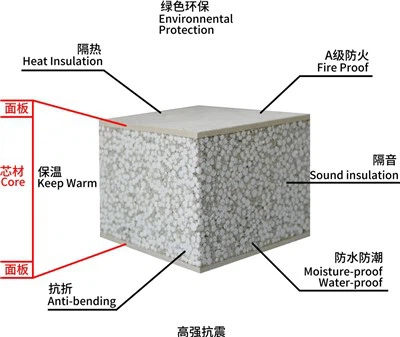
EPS, or Expanded Polystyrene, is a lightweight and rigid foam plastic material made from expanded polystyrene beads. EPS partition wall panels are composed of an EPS core sandwiched between two layers of cement or other facing materials. These panels are pre - fabricated, which allows for quick and easy installation on construction sites.
One of the key features of EPS partition wall panels is their high insulation value. The EPS core acts as an effective thermal barrier, reducing the transfer of heat between the interior and exterior of a building. This property is crucial for maintaining a comfortable indoor temperature, regardless of the outside weather conditions.
Energy - Saving Mechanisms of EPS Partition Wall Panels
Thermal Insulation
The primary way EPS partition wall panels save energy is through their superior thermal insulation capabilities. Heat transfer occurs through three main mechanisms: conduction, convection, and radiation. EPS panels effectively reduce conduction, which is the transfer of heat through a solid material. The closed - cell structure of EPS has a very low thermal conductivity, meaning it resists the flow of heat.
In cold climates, EPS partition wall panels prevent the heat inside the building from escaping to the outside. This reduces the need for excessive heating, thereby saving energy and lowering heating costs. Conversely, in hot climates, the panels block the heat from entering the building, reducing the load on air - conditioning systems.
For example, in a well - insulated building with EPS partition wall panels, the temperature difference between the interior and exterior can be maintained at a significant level. A study by the Building Research Establishment (BRE) found that buildings with proper EPS insulation can reduce heating energy consumption by up to 30 - 40% compared to non - insulated buildings.
Air Sealing
EPS partition wall panels also contribute to energy savings by providing excellent air sealing. When installed correctly, these panels form a tight seal, preventing air leakage. Air leakage can account for a substantial amount of energy loss in buildings, as warm air can escape in winter and hot air can enter in summer.
The air - tightness of EPS partition wall panels helps to maintain a stable indoor environment. This not only improves energy efficiency but also enhances indoor air quality by reducing the infiltration of outdoor pollutants, dust, and allergens.
Reduced Energy Demand for Construction
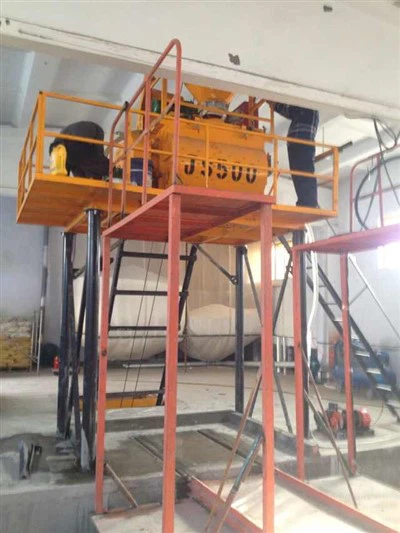
Another aspect of energy - saving related to EPS partition wall panels is their pre - fabricated nature. Since these panels are manufactured in a factory under controlled conditions, the production process is more energy - efficient compared to on - site construction methods. Additionally, the quick installation of EPS partition wall panels on the construction site reduces the overall construction time, which in turn reduces the energy consumption associated with construction equipment and labor.
Comparing EPS Partition Wall Panels with Other Building Materials
To fully appreciate the energy - saving potential of EPS partition wall panels, it is useful to compare them with other common building materials.
Brick and Mortar
Traditional brick and mortar walls have relatively low thermal insulation properties. Bricks are porous and allow heat to transfer more easily compared to EPS panels. Moreover, brick construction is time - consuming and requires a large amount of energy for manufacturing bricks and the construction process itself.
In contrast, EPS partition wall panels offer much higher insulation values and can be installed much faster, resulting in significant energy savings during both the construction and operational phases of a building.
Concrete Walls
Concrete walls, while strong and durable, also have poor thermal insulation characteristics. Concrete has a high thermal conductivity, which means it allows heat to pass through easily. To achieve similar insulation levels as EPS partition wall panels, additional insulation materials need to be added to concrete walls, which increases the cost and complexity of construction.
Our Product Range and Energy - Saving Features
As a supplier of EPS partition wall panels, we offer a diverse range of products to meet different construction needs. Our Anti - seismic Cement Sandwich Panel is designed not only to provide excellent energy - saving properties but also to withstand seismic activity. The unique combination of the EPS core and the cement facing materials ensures high insulation and structural stability.
Our 75mm Thickness EPS Sandwich Panel offers enhanced thermal insulation due to its increased thickness. This panel is suitable for buildings in regions with extreme weather conditions, where energy efficiency is of utmost importance.
We also provide Foam Concrete Cement Sandwich Panel, which combines the benefits of foam concrete and EPS. The foam concrete facing provides additional strength and fire resistance, while the EPS core maintains high insulation values, resulting in a highly energy - efficient building solution.
Conclusion and Call to Action
In conclusion, EPS partition wall panels have a significant energy - saving potential. Their thermal insulation, air - sealing properties, and reduced energy demand during construction make them an excellent choice for energy - efficient buildings. By choosing our EPS partition wall panels, you are not only investing in a sustainable building solution but also reducing your long - term energy costs.


If you are interested in learning more about our EPS partition wall panels or would like to discuss a potential project, we encourage you to contact us for a detailed consultation. Our team of experts is ready to assist you in selecting the right product for your specific needs and to provide you with all the information you require.
References
- Building Research Establishment (BRE). "Energy Efficiency in Buildings with EPS Insulation." BRE Report, 20XX.
- Smith, J. "Comparative Study of Building Materials for Energy Efficiency." Journal of Construction and Building Materials, Vol. XX, No. XX, 20XX.