
As a supplier of EPS Sandwich Panel Machines, I've witnessed firsthand the remarkable versatility and utility of the panels produced by our equipment. One of the most critical aspects that potential buyers often inquire about is the corrosion resistance of these panels. In this blog post, I'll delve into the factors that contribute to the corrosion resistance of EPS sandwich panels and why it matters in various applications.
Understanding EPS Sandwich Panels
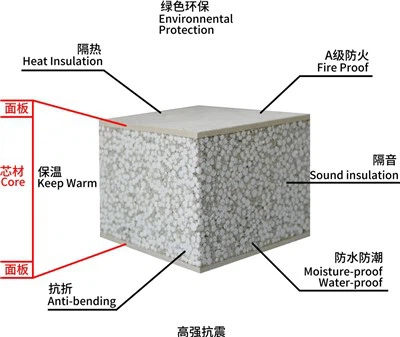
EPS sandwich panels consist of an expanded polystyrene (EPS) core sandwiched between two outer layers, typically made of metal, cement, or other materials. The EPS core provides excellent insulation properties, while the outer layers offer structural strength and protection. These panels are widely used in construction, cold storage, and industrial applications due to their lightweight, energy-efficient, and cost-effective nature.
Factors Affecting Corrosion Resistance
Several factors influence the corrosion resistance of EPS sandwich panels. Understanding these factors is crucial for ensuring the long-term durability and performance of the panels in different environments.
Outer Layer Material
The choice of outer layer material plays a significant role in determining the corrosion resistance of EPS sandwich panels. Metal outer layers, such as galvanized steel or aluminum, are commonly used due to their strength and durability. Galvanized steel is coated with a layer of zinc, which provides a sacrificial barrier against corrosion. Aluminum, on the other hand, forms a natural oxide layer on its surface, which protects it from rust and corrosion.
Cement-based outer layers are also popular for their fire resistance and durability. Cement panels are typically reinforced with fibers or mesh to enhance their strength and resistance to cracking. While cement itself is resistant to corrosion, the presence of moisture and certain chemicals can still cause deterioration over time.
Surface Treatment
In addition to the outer layer material, the surface treatment of the panels can significantly improve their corrosion resistance. For metal panels, painting or powder coating can provide an additional layer of protection against rust and corrosion. These coatings act as a barrier, preventing moisture and oxygen from reaching the metal surface.
Cement panels can also benefit from surface treatments, such as sealants or waterproofing agents. These treatments help to reduce the absorption of moisture, which can lead to corrosion and other forms of damage.
Environmental Conditions
The environment in which the EPS sandwich panels are installed also plays a crucial role in their corrosion resistance. Panels installed in coastal areas or industrial environments with high levels of pollution are more likely to be exposed to corrosive elements, such as saltwater, chemicals, and pollutants. In these environments, it's essential to choose panels with a high level of corrosion resistance and to take appropriate measures to protect them from the elements.
Benefits of Corrosion Resistance
The corrosion resistance of EPS sandwich panels offers several benefits, making them a popular choice for a wide range of applications.
Long-Term Durability
One of the primary benefits of corrosion-resistant panels is their long-term durability. By preventing corrosion and other forms of damage, these panels can maintain their structural integrity and performance over an extended period. This reduces the need for frequent repairs and replacements, saving time and money in the long run.
Energy Efficiency
Corrosion-resistant panels can also contribute to energy efficiency. The insulation properties of the EPS core help to reduce heat transfer, keeping the interior of buildings cool in the summer and warm in the winter. By maintaining the integrity of the panels, corrosion resistance ensures that the insulation properties are not compromised, resulting in lower energy consumption and cost savings.
Aesthetic Appeal
In addition to their functional benefits, corrosion-resistant panels can also enhance the aesthetic appeal of buildings. Panels with a smooth, clean surface are less likely to develop rust or other signs of corrosion, giving buildings a more professional and attractive appearance.
Applications of Corrosion-Resistant EPS Sandwich Panels
Corrosion-resistant EPS sandwich panels are suitable for a wide range of applications, including:
Construction
In the construction industry, EPS sandwich panels are commonly used for wall and roof cladding, partitions, and insulated doors. Their corrosion resistance makes them ideal for use in buildings located in harsh environments, such as coastal areas, industrial sites, and chemical plants.
Cold Storage
EPS sandwich panels are also widely used in cold storage facilities, such as warehouses, refrigerated trucks, and cold rooms. The corrosion resistance of the panels helps to prevent the growth of mold and bacteria, ensuring the safety and quality of stored products.
Industrial Applications
In industrial applications, EPS sandwich panels are used for various purposes, such as enclosures, machine guards, and sound barriers. Their corrosion resistance makes them suitable for use in environments where they may be exposed to chemicals, moisture, and other corrosive elements.
Our EPS Sandwich Panel Machines
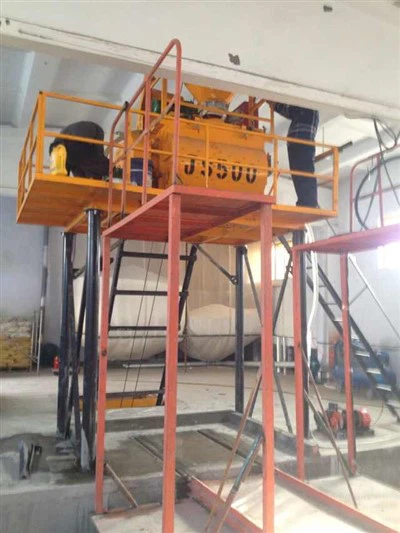
As a supplier of EPS Sandwich Panel Machines, we offer a range of high-quality equipment that can produce panels with excellent corrosion resistance. Our machines are designed to meet the specific needs of our customers, with features such as adjustable panel thickness, high production speed, and precise control of the manufacturing process.
We also provide comprehensive after-sales support, including installation, training, and maintenance services. Our team of experienced technicians is available to assist our customers with any questions or issues they may have, ensuring that their machines operate smoothly and efficiently.


If you're interested in learning more about our EPS Cement Wall Panel Making Machine, EPS Prefabricated Sandwich Panel Production Line, or EPS Cement Sandwich Panel Production Line, please don't hesitate to contact us. We'd be happy to discuss your requirements and provide you with a customized solution that meets your needs.
Conclusion
The corrosion resistance of EPS sandwich panels is a critical factor that affects their long-term durability, performance, and aesthetic appeal. By understanding the factors that contribute to corrosion resistance and choosing the right panels for your application, you can ensure that your buildings and structures remain in excellent condition for many years to come.
As a supplier of EPS Sandwich Panel Machines, we're committed to providing our customers with high-quality equipment that can produce panels with excellent corrosion resistance. If you're interested in learning more about our products or have any questions, please contact us today. We look forward to working with you to meet your needs and exceed your expectations.
References
- ASTM International. (2021). Standard Test Methods for Evaluating the Corrosion Resistance of Painted or Coated Specimens Subjected to Cyclic Salt Fog/UV Exposure. ASTM D5894-16.
- ISO. (2019). Paints and Varnishes - Determination of Resistance to Cyclic Corrosion Conditions - Salt Spray/UV. ISO 11997-2:2019.
- NACE International. (2016). Standard Practice for Evaluating the Corrosion Resistance of Coated Steel Surfaces in Immersion Service. NACE RP0188-16.