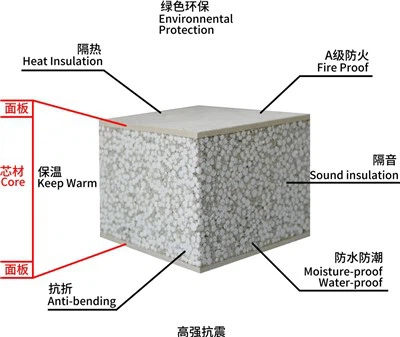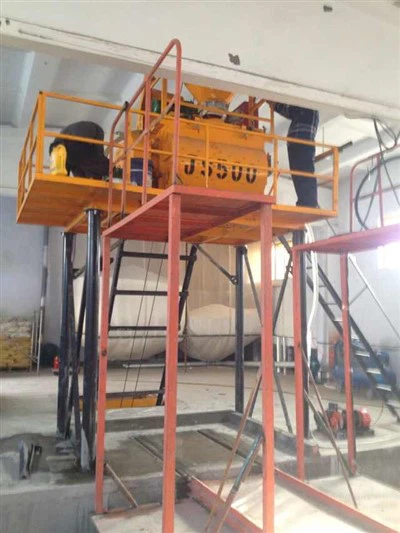

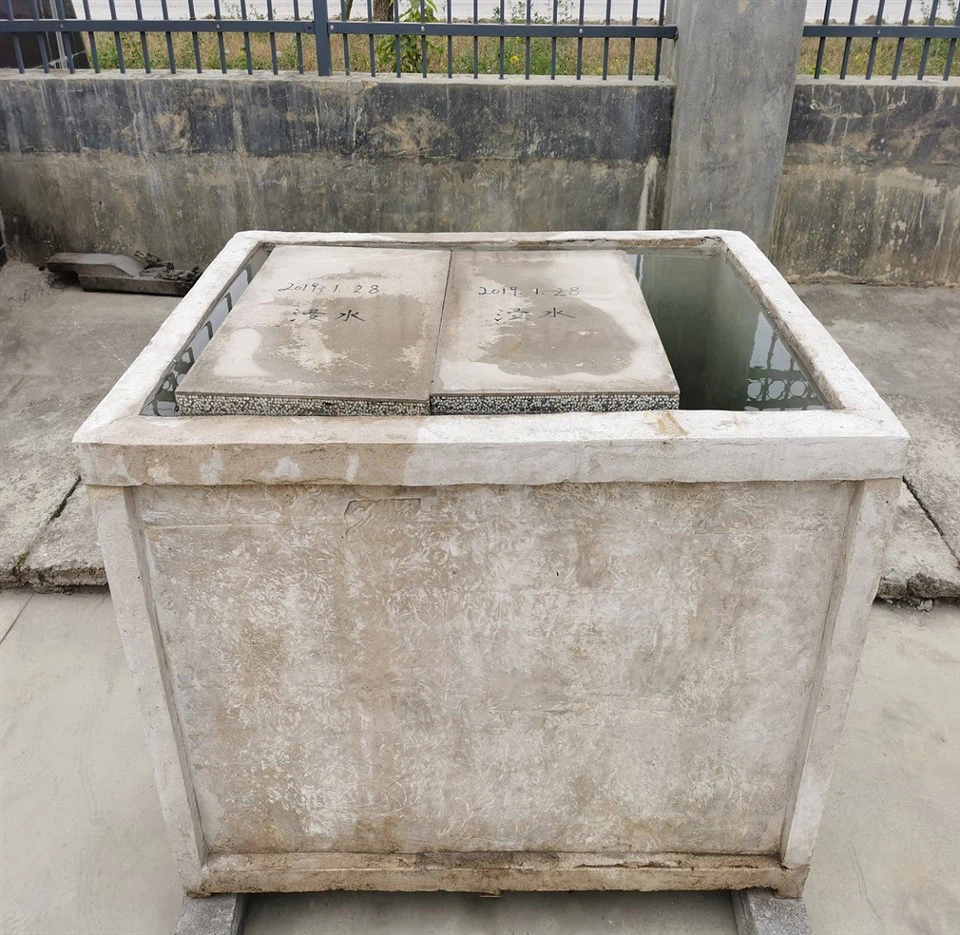
As a supplier of lightweight partition wall panels, I often get asked the question: Are lightweight partition wall panels fire-resistant? This is a crucial query, especially in the construction industry where safety is of utmost importance. In this blog, I'll delve into the topic, exploring the fire-resistant properties of lightweight partition wall panels, factors that influence their fire resistance, and the different types available in the market.
Understanding Fire Resistance in Lightweight Partition Wall Panels
Fire resistance in building materials is measured by their ability to withstand fire for a specified period, preventing the spread of flames, heat, and smoke. This is typically expressed in terms of fire ratings, such as 30 minutes, 60 minutes, or 120 minutes. A higher fire rating means the material can resist fire for a longer time, providing more time for evacuation and firefighting.
Lightweight partition wall panels are designed to be non - load - bearing and offer several advantages, including ease of installation, cost - effectiveness, and space - saving. But when it comes to fire resistance, not all panels are created equal.
Factors Affecting Fire Resistance
Material Composition
The materials used in the manufacturing of lightweight partition wall panels play a significant role in determining their fire resistance. For example, panels made from inorganic materials like gypsum, cement, and magnesium oxide tend to have better fire - resistant properties compared to those made from organic materials such as wood or some types of plastics.
Gypsum, for instance, contains water molecules within its crystal structure. When exposed to fire, these water molecules are released as steam, absorbing heat and slowing down the spread of the fire. Cement - based panels also have good fire resistance due to their dense and non - combustible nature.
Core Material
Many lightweight partition wall panels are sandwich - structured, with a core material between two outer layers. The core material can greatly impact the panel's fire resistance. Some common core materials include expanded polystyrene (EPS), rock wool, and fiberglass.
EPS is a lightweight and widely used core material. However, its fire resistance is relatively low as it is a combustible plastic. To improve its fire performance, special fire - retardant additives can be added during the manufacturing process. On the other hand, rock wool and fiberglass are non - combustible materials, offering excellent fire resistance. They can effectively insulate against heat and prevent the spread of flames.
Panel Thickness
The thickness of the lightweight partition wall panel also affects its fire resistance. Generally, thicker panels have better fire - resistant capabilities because they provide more material to absorb and dissipate heat. A thicker panel can act as a better barrier, delaying the transfer of heat to the other side of the wall.
Types of Fire - Resistant Lightweight Partition Wall Panels
90mm Waterproof EPS Sandwich Panel
This type of panel combines the benefits of waterproofing and a certain degree of fire resistance. The 90mm thickness provides a good balance between insulation and structural integrity. Although EPS is combustible, with the addition of fire - retardant agents, it can meet certain fire - safety standards. The waterproof feature makes it suitable for areas where moisture is a concern, such as bathrooms and basements.
Fireproof Foam Sandwich Partition Board
These boards are specifically designed to be fireproof. The foam core is treated with fire - retardant chemicals to enhance its resistance to flames. They are lightweight, easy to install, and can be used in a variety of applications, including commercial buildings, offices, and residential interiors. The outer layers of the board also contribute to its overall fire - resistant performance, protecting the core from direct exposure to fire.
Exterior Wall Sandwich Panel
Exterior wall sandwich panels need to meet strict fire - safety requirements as they are exposed to the elements and potential fire hazards from the outside. These panels often have a non - combustible outer layer and a fire - resistant core. They not only provide insulation but also act as a barrier against fire, protecting the interior of the building.
Testing and Certification
To ensure the fire resistance of lightweight partition wall panels, they need to undergo rigorous testing. In many countries, there are standardized testing procedures and certification systems. For example, in the United States, the Underwriters Laboratories (UL) conducts fire - resistance tests on building materials. Panels that meet the specified criteria are given a UL fire rating, which is recognized as a mark of quality and safety.
In Europe, the European Union has its own set of standards for fire - resistant building materials, such as EN 13501 - 1. This standard classifies building products according to their reaction to fire, from A1 (non - combustible) to F (highly combustible).
Benefits of Using Fire - Resistant Lightweight Partition Wall Panels
Safety
The most obvious benefit is enhanced safety. In the event of a fire, fire - resistant panels can prevent the rapid spread of flames and smoke, giving occupants more time to evacuate the building safely. This can significantly reduce the risk of injury and loss of life.
Property Protection
These panels can also protect the property from extensive fire damage. By containing the fire within a certain area, they can limit the destruction to the affected part of the building, reducing repair costs and downtime.
Compliance with Regulations
Many building codes and regulations require the use of fire - resistant materials in certain areas of a building, such as stairwells, corridors, and fire - rated partitions. Using fire - resistant lightweight partition wall panels ensures compliance with these regulations, avoiding potential legal issues.

Conclusion
In conclusion, lightweight partition wall panels can be fire - resistant, but it depends on several factors such as material composition, core material, and panel thickness. There are various types of fire - resistant panels available in the market, each with its own unique features and applications.
As a supplier of lightweight partition wall panels, I am committed to providing high - quality products that meet the highest fire - safety standards. Whether you are building a commercial complex, a residential home, or an industrial facility, choosing the right fire - resistant panel is crucial for the safety and integrity of your building.
If you are interested in learning more about our fire - resistant lightweight partition wall panels or would like to discuss your specific requirements, I encourage you to reach out to us for a procurement discussion. We can provide you with detailed product information, technical specifications, and pricing to help you make an informed decision.
References
- American Society for Testing and Materials (ASTM). (Year). Standard test methods for fire tests of building construction and materials.
- European Committee for Standardization (CEN). (Year). EN 13501 - 1: Fire classification of construction products and building elements - Part 1: Classification using data from reaction to fire tests.
- Underwriters Laboratories (UL). (Year). UL 263: Standard for fire tests of building construction and materials.