
Hey there! As a supplier of EPS panel machines, I often get asked if these machines can produce panels for construction projects. Well, the short answer is a resounding yes! In this blog post, I'll dive into the details of how EPS panel machines work and why they're a great choice for construction projects.
Let's start with the basics. EPS, or expanded polystyrene, is a lightweight and durable material that's commonly used in construction. It's made by expanding small beads of polystyrene using steam, which creates a rigid foam structure. EPS panels are then made by cutting and shaping these foam blocks into the desired size and shape.
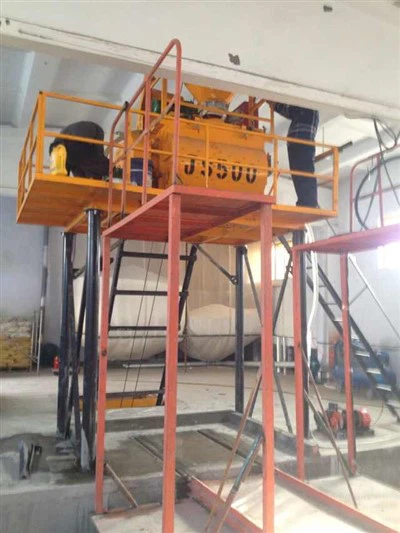
So, how does an EPS panel machine fit into the picture? These machines are designed to automate the process of making EPS panels, making it faster, more efficient, and more consistent. They typically consist of a foam cutting machine, a panel assembly machine, and a curing oven.
The foam cutting machine is used to cut the EPS foam blocks into the desired size and shape. This can be done using a variety of cutting methods, such as hot wire cutting, saw cutting, or water jet cutting. The panel assembly machine is then used to assemble the cut foam panels into larger panels, which can be used for walls, roofs, floors, and other construction applications. Finally, the curing oven is used to heat the assembled panels to a specific temperature, which helps to strengthen the bonds between the foam panels and any other materials that may be used in the panel, such as concrete or fiberglass.
One of the biggest advantages of using an EPS panel machine to produce panels for construction projects is the speed and efficiency it offers. These machines can produce panels much faster than traditional methods, which can save time and money on construction projects. Additionally, the panels produced by EPS panel machines are more consistent in size and shape, which can help to ensure a better fit and a more professional-looking finish.
Another advantage of using EPS panels in construction is their insulation properties. EPS is a highly effective insulator, which means that it can help to reduce energy costs by keeping buildings warm in the winter and cool in the summer. This can be especially beneficial for commercial and industrial buildings, which often have high energy consumption.
In addition to their insulation properties, EPS panels are also lightweight and easy to handle, which can make them a great choice for construction projects where weight is a concern. They're also resistant to moisture, mold, and mildew, which can help to protect the building from damage and extend its lifespan.
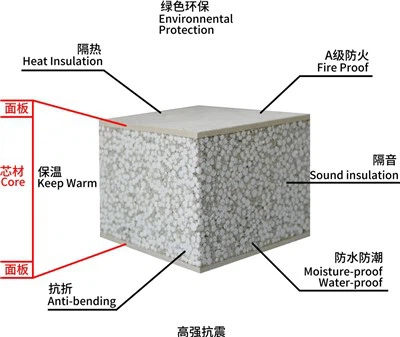
Now, let's take a look at some of the specific types of panels that can be produced using an EPS panel machine. One of the most common types of panels is the partition panel, which is used to divide interior spaces in buildings. These panels are typically made by sandwiching a layer of EPS foam between two layers of gypsum board or other materials. Partition Panel Production Equipment can be used to automate the process of making these panels, making it faster and more efficient.
Another type of panel that can be produced using an EPS panel machine is the EPS concrete sandwich panel. These panels are made by sandwiching a layer of EPS foam between two layers of concrete, which provides both insulation and structural support. EPS Conctret Sandwich Panel Production Equipment can be used to produce these panels, which are commonly used in commercial and industrial buildings.


Finally, an EPS panel machine can also be used to produce fiber cement board panels. These panels are made by combining fiber cement with EPS foam, which provides both strength and insulation. Fiber Cenment Board Production Equipment can be used to produce these panels, which are commonly used in exterior wall cladding and roofing applications.
In conclusion, an EPS panel machine can definitely produce panels for construction projects. These machines offer a number of advantages, including speed, efficiency, consistency, insulation properties, and lightweight. Whether you're building a commercial or industrial building, a residential home, or any other type of structure, EPS panels can be a great choice.
If you're interested in learning more about EPS panel machines or purchasing one for your construction project, please don't hesitate to contact me. I'd be happy to answer any questions you may have and help you find the right machine for your needs.
References
- Building Construction Handbook
- Insulation Materials and Applications Guide
- Panel Manufacturing Industry Reports