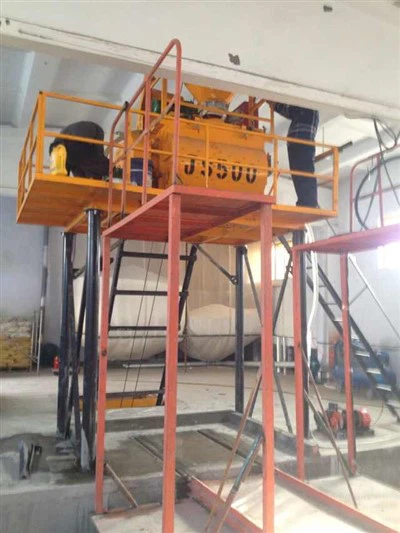

As a trusted supplier of EPS panel machines, I'm often asked about the various components and functions of these machines. One crucial aspect that plays a vital role in the efficient operation of an EPS panel machine is its cooling system. In this blog post, I'll delve into what the cooling system of an EPS panel machine is, its importance, and how it works.
Understanding the EPS Panel Machine
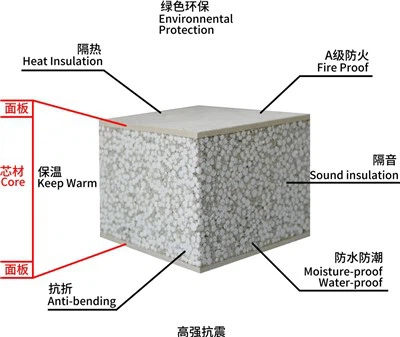
Before we dive into the cooling system, let's briefly understand what an EPS panel machine does. EPS (Expanded Polystyrene) panel machines are used to produce a variety of panels, such as EPS Conctret Sandwich Panel Production Equipment, Partition Panel Production Equipment, and Upright EPS Sandwich Panel Forming Machine. These panels are widely used in the construction industry for insulation, partition, and structural purposes due to their lightweight, high insulation properties, and ease of installation.
What is the Cooling System of an EPS Panel Machine?
The cooling system of an EPS panel machine is a set of components designed to remove heat generated during the manufacturing process. The production of EPS panels involves processes like heating, melting, and molding, which generate a significant amount of heat. If this heat is not properly managed, it can lead to several issues, including damage to the machine components, poor panel quality, and reduced production efficiency.
The cooling system typically consists of a cooling tower, water pumps, pipes, and heat exchangers. The main function of the cooling system is to transfer the heat from the machine to the surrounding environment, thus maintaining the optimal operating temperature of the machine.
Importance of the Cooling System
The cooling system is of utmost importance in an EPS panel machine for several reasons:
1. Protecting Machine Components
Excessive heat can cause damage to the machine components, such as motors, bearings, and hydraulic systems. The cooling system helps to keep these components within their operating temperature range, preventing overheating and extending their lifespan. This reduces the need for frequent repairs and replacements, saving both time and money in the long run.
2. Ensuring Panel Quality
The quality of EPS panels is highly dependent on the temperature during the manufacturing process. If the temperature is too high, the panels may deform, have uneven density, or develop surface defects. The cooling system helps to maintain a consistent temperature, ensuring that the panels are produced with high quality and meet the required standards.
3. Improving Production Efficiency
A properly functioning cooling system allows the machine to operate at its optimal speed and capacity. By removing heat quickly, the cooling system reduces the cycle time between each production batch, increasing the overall production efficiency. This is particularly important for large-scale production, where even a small improvement in efficiency can result in significant cost savings.
How the Cooling System Works
The cooling system of an EPS panel machine works in a closed-loop system, where water is used as the cooling medium. Here's a step-by-step explanation of how it works:
1. Heat Generation
During the production process, the EPS panel machine generates heat through various means, such as the heating elements used to melt the EPS beads and the friction generated by the moving parts. This heat is transferred to the water in the cooling system.


2. Water Circulation
The water pumps in the cooling system circulate the water through the pipes and heat exchangers. As the water passes through the heat exchangers, it absorbs the heat from the machine components.
3. Heat Dissipation
The heated water is then pumped to the cooling tower, where it is sprayed over a series of fill materials. As the water droplets fall through the fill materials, they come into contact with the air, which helps to dissipate the heat. The cooled water is then collected at the bottom of the cooling tower and pumped back to the machine to repeat the process.
4. Temperature Control
The cooling system is equipped with temperature sensors and control valves to ensure that the water temperature is maintained within the desired range. If the water temperature rises above the set point, the control valves will adjust the flow rate of the water or increase the speed of the fans in the cooling tower to increase the heat dissipation.
Maintenance of the Cooling System
Proper maintenance of the cooling system is essential to ensure its efficient operation and longevity. Here are some maintenance tips:
1. Regular Inspections
Regularly inspect the cooling system for any signs of leaks, blockages, or damage. Check the water level in the cooling tower and the pressure in the pipes. If any issues are detected, they should be addressed immediately to prevent further damage.
2. Cleaning
Clean the cooling tower and the heat exchangers regularly to remove any dirt, debris, or scale buildup. This will improve the heat transfer efficiency and prevent corrosion of the components.
3. Water Treatment
Treat the water in the cooling system to prevent the growth of algae, bacteria, and other microorganisms. This can be done by adding chemicals such as biocides and scale inhibitors to the water.
4. Lubrication
Lubricate the moving parts of the cooling system, such as the water pumps and fans, to reduce friction and wear.
Conclusion
The cooling system is an essential component of an EPS panel machine, playing a crucial role in protecting the machine components, ensuring panel quality, and improving production efficiency. By understanding how the cooling system works and following proper maintenance procedures, you can ensure the reliable operation of your EPS panel machine and maximize its lifespan.
If you're interested in purchasing an EPS panel machine or have any questions about the cooling system or other aspects of the machine, please feel free to contact us. We're here to provide you with the best solutions and support for your EPS panel production needs.
References
- "Handbook of Plastic Foams" by J. L. Throne
- "Industrial Cooling Systems" by P. A. Schweitzer