
Chemical resistance is a crucial factor to consider when selecting construction materials, especially for panels used in various industrial and commercial settings. As a supplier of 100mm lightweight sandwich panels, I understand the importance of this characteristic and its impact on the performance and longevity of the panels. In this blog post, I will delve into the chemical resistance of our 100mm lightweight sandwich panels, exploring the factors that influence it and the benefits it offers.
Understanding 100mm Lightweight Sandwich Panels
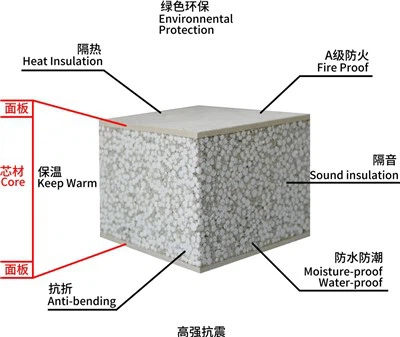
Before discussing chemical resistance, it's essential to understand what 100mm lightweight sandwich panels are. These panels consist of two outer layers, known as facings, and a core material sandwiched between them. The facings can be made from various materials, such as metal, fiber cement, or composite materials, while the core is typically made of lightweight materials like expanded polystyrene (EPS), polyurethane foam, or mineral wool.
The 100mm thickness provides a good balance between strength, insulation, and weight, making these panels suitable for a wide range of applications, including wall cladding, roofing, and partitions. They are lightweight, easy to install, and offer excellent thermal and acoustic insulation properties.
Factors Affecting Chemical Resistance
The chemical resistance of a 100mm lightweight sandwich panel depends on several factors, including the materials used in the facings and the core, as well as the manufacturing process. Here are some of the key factors to consider:
Facing Materials
The facing materials play a significant role in determining the chemical resistance of the panel. Different materials have different levels of resistance to various chemicals. For example, metal facings, such as steel or aluminum, are generally resistant to corrosion and can withstand exposure to many chemicals. However, they may be susceptible to rust if not properly protected.
Fiber cement facings, on the other hand, are highly resistant to chemicals, including acids, alkalis, and solvents. They are also fire-resistant and have excellent durability. Fiber Cement Sandwich Panel is a popular choice for applications where chemical resistance is a priority.
Composite facings, which are made from a combination of materials, can offer a balance of properties, including chemical resistance, strength, and aesthetics. The specific chemical resistance of composite facings will depend on the composition of the materials used.
Core Materials
The core material also affects the chemical resistance of the panel. EPS, a common core material, has good resistance to many chemicals, including water, oils, and most solvents. It is also lightweight and provides excellent thermal insulation. Lightweight Precast EPS Cement Sandwich Panel is a type of panel that uses EPS as the core material and offers good chemical resistance.
Polyurethane foam cores are resistant to many chemicals, including acids, alkalis, and solvents. They also have excellent thermal insulation properties and are often used in applications where high insulation performance is required.
Mineral wool cores are highly resistant to fire and chemicals. They are non-combustible and can withstand exposure to a wide range of chemicals without significant degradation.
Manufacturing Process
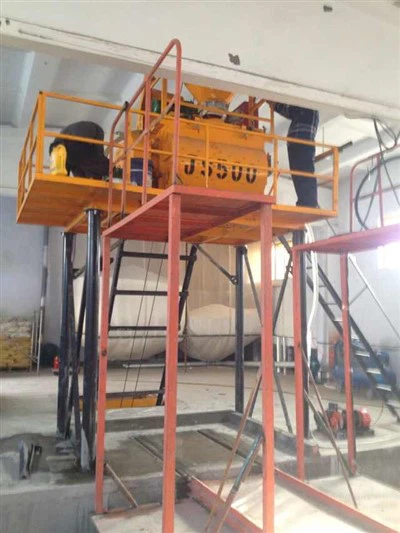
The manufacturing process can also impact the chemical resistance of the panel. Proper bonding between the facings and the core is essential to ensure the integrity of the panel and its resistance to chemicals. A high-quality manufacturing process will use appropriate adhesives and techniques to ensure a strong bond between the layers.
Benefits of Chemical Resistance
The chemical resistance of 100mm lightweight sandwich panels offers several benefits, making them a preferred choice for many applications:
Durability
Panels with good chemical resistance are more durable and can withstand exposure to harsh chemicals without significant damage. This extends the lifespan of the panels and reduces the need for frequent replacement, resulting in cost savings over the long term.
Protection
Chemical-resistant panels provide protection for the underlying structure and contents of a building. They can prevent the penetration of chemicals, which could otherwise cause damage to the building's structure, equipment, or stored materials.
Versatility
Panels with high chemical resistance can be used in a wide range of applications, including industrial facilities, chemical plants, laboratories, and food processing plants. They can withstand exposure to various chemicals commonly found in these environments, making them a versatile choice for different industries.
Hygiene
In applications where hygiene is a concern, such as food processing plants and hospitals, chemical-resistant panels are essential. They can be easily cleaned and disinfected, preventing the growth of bacteria and other microorganisms.
Testing and Certification
To ensure the chemical resistance of our 100mm lightweight sandwich panels, we conduct rigorous testing in accordance with international standards. Our panels are tested for their resistance to a wide range of chemicals, including acids, alkalis, solvents, and oils.
We also obtain relevant certifications to demonstrate the quality and performance of our panels. These certifications provide assurance to our customers that our panels meet the required standards for chemical resistance and other properties.
Applications of Chemically Resistant Panels
The chemical resistance of our 100mm lightweight sandwich panels makes them suitable for a variety of applications:
Industrial Buildings
In industrial settings, panels are often exposed to chemicals, such as acids, alkalis, and solvents. Our chemically resistant panels can be used for wall cladding, roofing, and partitions in factories, warehouses, and chemical plants, providing protection against chemical damage.
Food Processing Plants
Food processing plants require panels that are resistant to cleaning agents, disinfectants, and food acids. Our panels can be used in these facilities to ensure a hygienic and safe environment.
Laboratories
Laboratories handle a wide range of chemicals, and the panels used in these facilities need to be highly resistant to chemical spills and fumes. Our chemically resistant panels can provide the necessary protection for laboratory equipment and personnel.
Water Treatment Plants
Water treatment plants use various chemicals to treat water, and the panels used in these facilities need to be resistant to these chemicals. Our panels can be used for wall cladding and partitions in water treatment plants, ensuring the durability and integrity of the structure.
Conclusion
The chemical resistance of 100mm lightweight sandwich panels is an important characteristic that offers several benefits, including durability, protection, versatility, and hygiene. As a supplier of these panels, we are committed to providing high-quality products that meet the highest standards of chemical resistance.
Our panels are made from high-quality materials and are manufactured using advanced processes to ensure a strong bond between the facings and the core. We conduct rigorous testing and obtain relevant certifications to demonstrate the performance of our panels.
If you are looking for 100mm lightweight sandwich panels with excellent chemical resistance for your project, we invite you to contact us for more information. Our team of experts will be happy to assist you in selecting the right panels for your specific needs and provide you with a competitive quote.


References
- ASTM International. (Year). Standard test methods for evaluating the chemical resistance of building materials.
- ISO (Year). International standards for testing the chemical resistance of construction products.