
Hey there! As a supplier of fiber cement sandwich panels, I often get asked about the maintenance requirements for these awesome building materials. So, I thought I'd share some insights to help you keep your panels in tip - top shape.
Understanding Fiber Cement Sandwich Panels
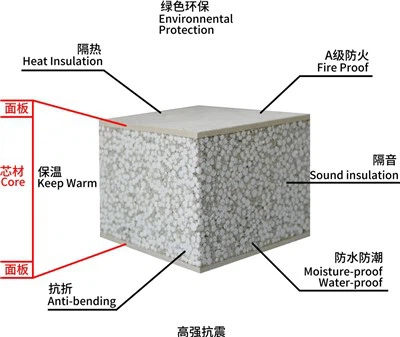
First off, let's quickly go over what fiber cement sandwich panels are. They're made up of a core material sandwiched between two layers of fiber cement. The core can vary, like EPS (Expanded Polystyrene), which gives great insulation properties. You can check out our EPS Cement Sandwich Panel for more details.
These panels are super popular because they're durable, fire - resistant, and offer good thermal insulation. They're used in all sorts of construction projects, from commercial buildings to residential homes.
Regular Cleaning
One of the most basic maintenance tasks for fiber cement sandwich panels is regular cleaning. Dirt, dust, and debris can accumulate on the surface over time, which not only makes the panels look shabby but can also potentially damage them in the long run.
For routine cleaning, a simple solution of mild soap and water works great. You can use a soft - bristle brush or a sponge to gently scrub the surface. Avoid using abrasive cleaners or tools, as they can scratch the fiber cement surface. After scrubbing, rinse the panels thoroughly with clean water to remove any soap residue.
If there are stubborn stains, you might need to use a specialized cleaner. But always test it on a small, inconspicuous area first to make sure it doesn't cause any discoloration or damage.
Inspecting for Damage
Periodic inspections are crucial to catch any potential issues early. Look for cracks, chips, or signs of water damage. Cracks can allow moisture to seep into the core, which can lead to mold growth and structural problems.
If you notice any small cracks, you can use a suitable sealant to fill them. But for larger cracks or significant damage, it's best to consult a professional. They can assess the situation and determine if the panel needs to be repaired or replaced.
When inspecting, pay special attention to the edges and joints of the panels. These areas are more vulnerable to damage and water infiltration. Make sure the seals are intact and there are no gaps where water could get in.
Protecting Against Moisture
Moisture is one of the biggest enemies of fiber cement sandwich panels. Excessive moisture can cause the panels to swell, warp, or develop mold. To protect against moisture, ensure proper installation with adequate waterproofing measures.

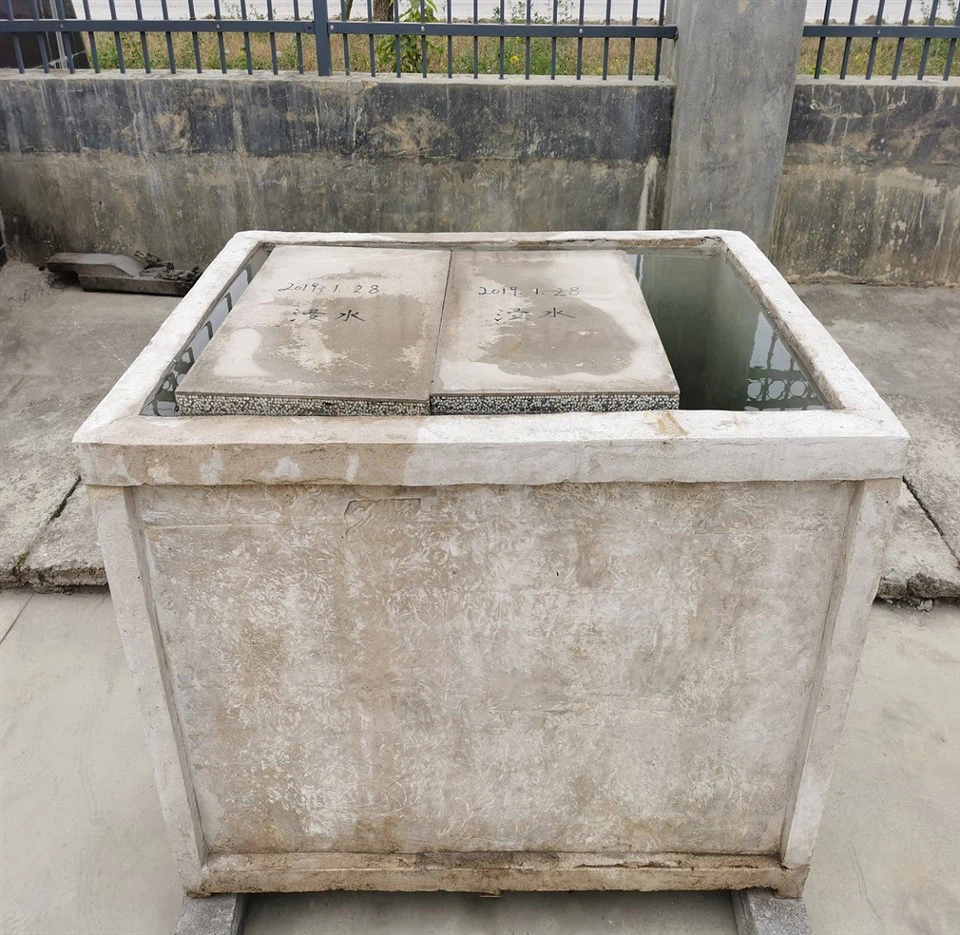
During construction, use a high - quality waterproof membrane around the panels. Also, make sure there is proper drainage around the building to prevent water from pooling near the panels.
If you live in an area with high humidity or heavy rainfall, you might want to consider applying a water - repellent coating to the panels. This can add an extra layer of protection and reduce the risk of moisture damage.
Checking the Core Material
The core material in fiber cement sandwich panels, such as EPS, also needs some attention. If the panels are exposed to extreme temperatures or physical impact, the core might get damaged.
For example, our 120mm EPS Wall Panels and 90mm Waterproof EPS Sandwich Panel have EPS cores that offer good insulation. But if the core is damaged, the insulation properties will be compromised.
Inspect the core for signs of compression, deformation, or breakage. If you suspect any issues with the core, it's important to have it checked by a professional. They can determine if the core needs to be repaired or if the entire panel should be replaced.
Maintenance in Different Climates
The maintenance requirements can vary depending on the climate. In hot and dry climates, the panels might be more prone to drying out and cracking. In this case, you might need to apply a moisturizing treatment to keep the panels flexible and prevent cracking.
In cold climates, the panels need to withstand freezing and thawing cycles. Make sure the panels are properly insulated to prevent ice formation and damage. Also, clear snow and ice from the panels as soon as possible to avoid excessive weight and potential damage.
Long - Term Maintenance Tips
To ensure the long - term performance of your fiber cement sandwich panels, here are some additional tips:
- Keep the surrounding area clean and free of debris. This reduces the risk of scratches and damage from flying objects.
- Trim any overhanging branches or vegetation that could rub against the panels or block drainage.
- Follow the manufacturer's guidelines for maintenance and care. They usually provide specific instructions based on the type of panels and their intended use.
Conclusion
Maintaining fiber cement sandwich panels isn't overly complicated, but it does require some regular attention. By following these maintenance tips, you can extend the lifespan of your panels and keep them looking and performing their best.
If you're in the market for high - quality fiber cement sandwich panels or have any questions about maintenance, feel free to reach out. We're here to help you make the right choices for your construction project. Whether you need more information about our products or advice on installation and maintenance, don't hesitate to contact us for a friendly chat and start the procurement discussion.
References
- Building Construction Handbook, various editions
- Manufacturer's guides for fiber cement sandwich panels