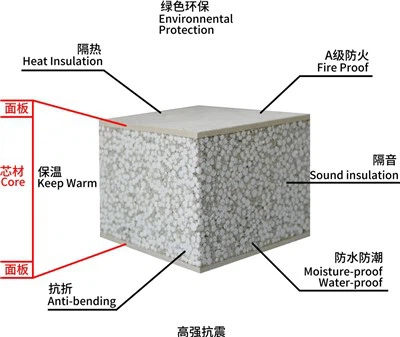

Hey there! As a supplier of Expanded Polystyrene (EPS) wall panels, I've seen firsthand the amazing aesthetic effects these panels can bring to a space. In this blog, I'm gonna break down all the cool ways EPS wall panels can transform the look of a building, whether it's a residential home or a commercial space.


1. Clean and Modern Look
One of the first things you'll notice about EPS wall panels is their clean and modern aesthetic. The smooth surface of these panels gives a sleek and polished appearance to any room. Unlike traditional wall materials that might have visible seams, joints, or uneven textures, EPS wall panels offer a seamless finish. This smoothness creates a contemporary look that is highly sought - after in modern architecture and interior design.
For example, in a minimalist - style living room, the use of EPS wall panels can enhance the overall clean lines and simplicity of the space. The panels can be painted in a variety of colors to match the color scheme of the room, whether it's a crisp white for a bright and airy feel or a bold, dark color for a more dramatic effect. You can check out our Lightweight Partition Wall Panel options, which are perfect for creating that modern, clean look in your home or office.
2. Versatility in Design
EPS wall panels are incredibly versatile when it comes to design. They can be cut and shaped into various forms, allowing for endless creative possibilities. You can create custom - made wall features such as geometric patterns, curved walls, or even three - dimensional designs. This flexibility makes EPS wall panels a favorite among designers who want to add a unique touch to their projects.
In a commercial space like a trendy café or a modern art gallery, EPS wall panels can be used to create eye - catching focal points. For instance, a large, abstract pattern made from EPS panels can become the centerpiece of the room, drawing the attention of customers and creating a memorable experience. Our 100mm Prefabricated Insulated Wall Panels can be easily customized to fit your specific design requirements, whether you're looking for a simple or a more elaborate design.
3. Enhanced Lighting Effects
Another aesthetic benefit of EPS wall panels is their ability to enhance lighting effects. The smooth surface of the panels reflects light evenly, creating a bright and well - lit environment. This is especially useful in rooms with limited natural light, as the panels can help to distribute artificial light more effectively.
In a hallway or a small room, EPS wall panels can make the space appear larger and more open by bouncing light around. You can also use different finishes on the panels to achieve different lighting effects. A glossy finish will reflect more light, creating a shiny and glamorous look, while a matte finish will give a softer, more subdued effect. This is where our Calcium Silicate Partition Wall comes in handy. The panels can be installed in areas where you want to optimize lighting and create a pleasant atmosphere.
4. Natural and Organic Feel
Believe it or not, EPS wall panels can also give a space a natural and organic feel. Some EPS panels are designed to mimic the look of natural materials such as wood or stone. These panels can add a warm and inviting touch to a room, making it feel more like a cozy retreat.
For example, in a bedroom or a spa, EPS wall panels that look like reclaimed wood can create a rustic and comfortable atmosphere. The texture and color of the panels can be carefully selected to match the overall style of the room, whether it's a beach - themed or a mountain - lodge style. This natural look can be achieved without the high cost and maintenance associated with real wood or stone.
5. Color Retention
EPS wall panels have excellent color retention properties. Once they are painted or finished, the color will stay vibrant and fade - resistant for a long time. This means that your walls will look fresh and new for years to come, without the need for frequent repainting or touch - ups.
In a high - traffic area like a commercial lobby or a busy restaurant, the color retention of EPS wall panels is a huge advantage. The walls will maintain their original color and appearance, even with constant exposure to sunlight, moisture, and wear and tear. This saves you time and money in the long run, as you won't have to worry about the walls looking dull or faded.
6. Integration with Other Materials
EPS wall panels can be easily integrated with other building materials. They can be combined with glass, metal, or wood to create a multi - textured and visually interesting look. This integration allows for a more complex and sophisticated design that can elevate the overall aesthetic of a space.
For example, in a contemporary office building, EPS wall panels can be paired with glass partitions to create a sense of transparency and openness. The combination of the smooth EPS panels and the reflective glass can add a touch of elegance and modernity to the workspace. You can also use metal accents on the EPS panels to create a more industrial look, or add wooden trim for a warmer, more traditional feel.
7. Cost - Effective Aesthetics
Last but not least, EPS wall panels offer a cost - effective way to achieve a high - end aesthetic. Compared to traditional building materials such as brick, stone, or solid wood, EPS panels are much more affordable. This means that you can get the same stylish look without breaking the bank.
Whether you're a homeowner on a budget or a developer looking to maximize your return on investment, EPS wall panels are a great choice. You can achieve a luxurious and modern look for your project at a fraction of the cost of using more expensive materials.
So, if you're interested in enhancing the aesthetic appeal of your building with EPS wall panels, I'd love to chat with you. Whether you have a specific design in mind or just need some advice on which panels are right for your project, I'm here to help. Let's start a conversation and see how we can transform your space with our high - quality EPS wall panels.
References
- "Building Materials and Construction Methods" by John R. Hoke
- "Interior Design: Principles, Elements, and Applications" by Denise Ashmore