
What are the considerations for using Calcium Silicate Cement Board on ceilings?
As a supplier of Calcium Silicate Cement Board, I've witnessed firsthand the growing popularity of this versatile building material, especially for ceiling applications. Calcium Silicate Cement Board offers a range of benefits, including fire resistance, moisture resistance, and durability. However, like any building material, there are several important considerations to keep in mind when using it on ceilings. In this blog post, I'll share some key factors to consider to ensure a successful ceiling installation with Calcium Silicate Cement Board.
1. Fire Resistance Requirements
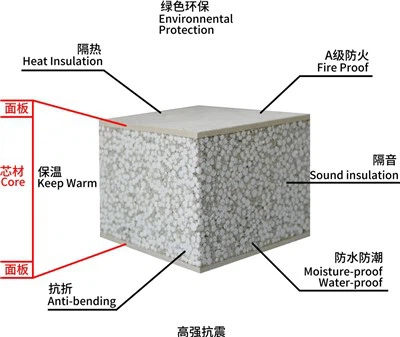
One of the primary advantages of Calcium Silicate Cement Board is its excellent fire resistance. When used on ceilings, it can help prevent the spread of fire and provide valuable time for evacuation in case of a fire emergency. However, it's crucial to ensure that the board meets the specific fire resistance requirements of your project.
Different building codes and regulations have varying fire rating requirements for ceiling materials. Before selecting a Calcium Silicate Cement Board, check the local building codes and determine the required fire rating for your ceiling application. Look for boards that have been tested and certified to meet or exceed these requirements. For example, some boards may be rated for a one - hour or two - hour fire resistance, which is suitable for different types of buildings and occupancy levels.
2. Moisture and Humidity Levels
Ceilings are often exposed to varying levels of moisture and humidity, especially in areas such as bathrooms, kitchens, and basements. Calcium Silicate Cement Board is known for its good moisture resistance, but it's still important to consider the specific moisture conditions in the installation area.
In high - humidity areas, such as bathrooms, proper ventilation is essential to prevent the accumulation of moisture on the ceiling. If the board is exposed to excessive moisture over an extended period, it may lead to issues such as mold growth, warping, or delamination. To enhance moisture resistance, you can apply a waterproof coating or paint to the surface of the board after installation.
In basements or areas prone to water leaks, additional waterproofing measures may be necessary. This could include installing a vapor barrier behind the board to prevent moisture from seeping through.
3. Structural Support
Ceilings need to be properly supported to ensure the long - term stability of the Calcium Silicate Cement Board. The weight of the board, along with any additional finishes or fixtures, must be adequately supported by the ceiling structure.
Before installation, assess the structural integrity of the ceiling framing. Make sure that the joists or studs are strong enough to bear the weight of the board. The spacing of the framing members is also important. Generally, closer spacing provides better support for the board. Follow the manufacturer's recommendations regarding the maximum allowable spacing between framing members for the specific thickness and type of Calcium Silicate Cement Board you are using.
If you are installing the board on an existing ceiling, check for any signs of damage or weakness in the framing. Repair or reinforce the framing as needed to ensure a secure installation.
4. Acoustic Performance
In some cases, acoustic performance may be an important consideration for ceiling applications. Calcium Silicate Cement Board can contribute to the acoustic properties of a room, but its effectiveness depends on several factors.
The thickness of the board can affect its sound - absorbing capabilities. Thicker boards generally provide better sound insulation than thinner ones. Additionally, the installation method and the use of additional acoustic materials can enhance the overall acoustic performance. For example, installing the board with a layer of acoustic insulation behind it can significantly reduce sound transmission between rooms.
If acoustic performance is a priority for your project, consider working with an acoustic engineer or consultant to determine the best approach for achieving the desired sound levels in the space.
5. Aesthetic Considerations
The appearance of the ceiling is an important aspect of any building project. Calcium Silicate Cement Board can be finished in a variety of ways to achieve different aesthetic effects.
You can paint the board to match the interior decor of the room. There are many types of paints available that are suitable for use on Calcium Silicate Cement Board, including latex paints and specialty coatings. Alternatively, you can use decorative finishes such as wallpaper or veneer to give the ceiling a unique look.
When choosing a finish, consider the durability and maintenance requirements. Some finishes may be more resistant to wear and tear than others, and may require less frequent cleaning or touch - ups.
6. Installation Techniques
Proper installation is crucial for the performance and longevity of Calcium Silicate Cement Board on ceilings. Follow the manufacturer's installation instructions carefully to ensure a correct and secure installation.
Use the appropriate fasteners for the board. Screws are commonly used to attach the board to the ceiling framing. Make sure to use screws that are long enough to penetrate the framing adequately but not so long that they damage the board on the other side. The spacing of the fasteners is also important; follow the recommended spacing to ensure proper support.


When cutting the board, use a sharp saw or a scoring tool to achieve clean, straight cuts. Be careful to avoid chipping or cracking the board during the cutting process. After installation, fill any gaps or joints between the boards with a suitable joint compound and sand the surface smooth for a seamless finish.
7. Compatibility with Other Materials
Calcium Silicate Cement Board may need to be installed in conjunction with other building materials, such as insulation, lighting fixtures, and ventilation ducts. It's important to ensure that the board is compatible with these materials.
For example, if you are installing insulation behind the board, make sure that the insulation material does not cause any adverse reactions with the board. Some insulation materials may release chemicals or moisture that could affect the performance of the board over time.
When installing lighting fixtures or ventilation ducts, ensure that the board can be properly cut and fitted around these components without compromising its structural integrity or performance.
8. Cost - effectiveness
Finally, cost - effectiveness is an important consideration for any building project. Calcium Silicate Cement Board offers a good balance between cost and performance. However, it's important to compare the cost of the board with other ceiling materials, taking into account factors such as durability, maintenance requirements, and energy efficiency.
Consider the long - term costs associated with the board. For example, a more expensive board that is highly durable and requires less maintenance may be more cost - effective in the long run than a cheaper board that needs to be replaced or repaired frequently.
Conclusion
Using Calcium Silicate Cement Board on ceilings can be a great choice for many building projects, thanks to its fire resistance, moisture resistance, and durability. However, by considering factors such as fire resistance requirements, moisture and humidity levels, structural support, acoustic performance, aesthetics, installation techniques, compatibility with other materials, and cost - effectiveness, you can ensure a successful ceiling installation.
If you're interested in Calcium Silicate Exterior Wall Board, 75mm Thickness EPS Sandwich Panel, or Fiber Cement Sandwich Panel, or have any questions about using Calcium Silicate Cement Board for your ceiling project, I encourage you to reach out to me. I'm here to provide you with the best products and expert advice to meet your building needs. Let's start a conversation and explore how we can work together to achieve your project goals.
References
- Building Code Requirements for Fire - Resistant Construction, National Fire Protection Association.
- Moisture Control in Buildings, American Society of Heating, Refrigerating and Air - Conditioning Engineers.
- Installation Guide for Calcium Silicate Cement Board, Manufacturer's Documentation.