
Hey there! As a supplier of Waterproof EPS Sandwich Panels, I've seen firsthand how crucial it is to have top - notch waterproof performance. In this blog, I'm gonna share some tips on how to improve the waterproof performance of EPS sandwich panels.
Understanding EPS Sandwich Panels
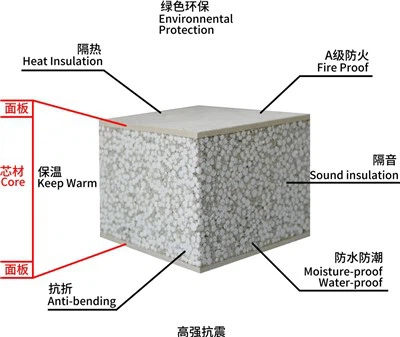
First off, let's quickly go over what EPS sandwich panels are. EPS stands for Expanded Polystyrene, which is a lightweight and insulating material. These panels consist of an EPS core sandwiched between two outer layers. They're widely used in construction because they're cost - effective, easy to install, and offer good insulation. But one of the biggest challenges is making sure they're waterproof. After all, water damage can lead to a whole host of problems like mold growth, reduced insulation efficiency, and structural damage.


Quality of Raw Materials
The quality of the raw materials used in making EPS sandwich panels is super important. When it comes to the EPS core, you want to use high - density EPS. Higher density EPS has fewer voids and pores, which means there are fewer pathways for water to seep through. It's like building a stronger fort with fewer holes for the enemy (water) to get in.
For the outer layers, choose materials that are inherently water - resistant. For example, Calcium Silicate Exterior Wall Board is a great option. Calcium silicate is known for its excellent water - repellent properties. It forms a protective barrier on the surface of the panel, preventing water from reaching the EPS core.
Proper Sealing and Jointing
Even the best - quality panels can have issues if they're not properly sealed and jointed. When installing EPS sandwich panels, make sure to use high - quality sealants. These sealants fill in the gaps between panels, creating a watertight barrier. There are different types of sealants available, such as silicone - based and polyurethane - based sealants. Silicone sealants are flexible and can withstand temperature changes well, while polyurethane sealants offer strong adhesion.
For joints, use proper jointing techniques. Overlapping joints are a common and effective method. When two panels overlap, it creates an extra layer of protection against water intrusion. Make sure the overlap is wide enough and that the sealant is applied evenly along the joint.
Surface Treatments
Applying surface treatments can significantly enhance the waterproof performance of EPS sandwich panels. One popular treatment is a waterproof coating. There are various types of waterproof coatings on the market, such as acrylic - based and epoxy - based coatings.
Acrylic coatings are easy to apply and dry quickly. They form a thin, flexible film on the surface of the panel that repels water. Epoxy coatings, on the other hand, are more durable and offer better chemical resistance. They can provide long - term protection against water and other environmental factors.
Another surface treatment option is a water - repellent agent. These agents penetrate the surface of the panel and make it hydrophobic. Water droplets will bead up and roll off the surface instead of being absorbed.
Installation Environment and Conditions
The environment and conditions during installation also play a big role in the waterproof performance of EPS sandwich panels. Avoid installing the panels in wet conditions. If it's raining or the surface is damp, water can get trapped between the panels and the substrate, leading to water damage over time.
Make sure the installation site is well - drained. If water accumulates around the panels, it increases the risk of water seeping into the panels. You can install a drainage system around the perimeter of the building to divert water away from the panels.
Maintenance
Once the EPS sandwich panels are installed, regular maintenance is essential to keep their waterproof performance in check. Inspect the panels regularly for any signs of damage, such as cracks in the sealant or outer layers. If you notice any damage, repair it immediately. A small crack can quickly turn into a big problem if water starts to seep through.
Clean the panels periodically to remove dirt, debris, and other contaminants. Dirt can block the pores of the waterproof coating or surface treatment, reducing its effectiveness. Use a mild detergent and a soft brush to clean the panels, and then rinse them thoroughly with water.
Case Studies
Let me share a couple of real - life examples to show you how these tips work in practice. A construction project in a coastal area was using 180mm Sandwich Panel Wall for a warehouse. The area was prone to heavy rainfall and high humidity. By using high - density EPS, calcium silicate outer layers, proper sealing, and a waterproof coating, the panels have remained water - tight for years. There has been no sign of mold or water damage inside the warehouse.
Another project was a small office building using 120mm Polystyrene Building Panels. The installers made sure to install the panels in dry conditions and set up a good drainage system. They also conducted regular maintenance. As a result, the panels have maintained their insulation and waterproof performance, saving the building owner a lot of money on repairs and energy costs.
Conclusion
Improving the waterproof performance of EPS sandwich panels is a multi - step process that involves choosing the right raw materials, proper installation, surface treatments, and regular maintenance. By following these tips, you can ensure that your EPS sandwich panels will last longer, perform better, and keep your building dry and comfortable.
If you're interested in purchasing high - quality Waterproof EPS Sandwich Panels or have any questions about improving their waterproof performance, feel free to reach out. We're here to help you make the best choice for your construction project.
References
- Building Construction Handbook: Covers general construction techniques and materials, including EPS sandwich panels.
- Journal of Building and Construction Materials: Contains research on the performance and improvement of building materials, including waterproofing of EPS panels.
- Manufacturer's Guides: Guides provided by EPS panel manufacturers on installation, maintenance, and product features.