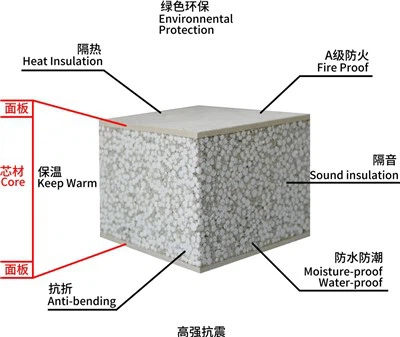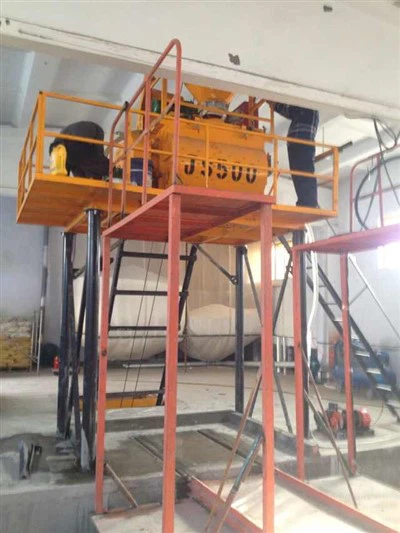

As a trusted supplier of EPS panel machines, I'm excited to delve into the main components that make these machines so efficient and indispensable in the construction and insulation industries. EPS, or Expanded Polystyrene, is a lightweight and versatile material widely used in various applications, from building insulation to packaging. An EPS panel machine is designed to transform raw EPS beads into high-quality panels, and understanding its key components is essential for anyone considering investing in this technology.
The Hopper and Feeding System
The journey of creating an EPS panel begins with the hopper and feeding system. The hopper is a large container that stores the raw EPS beads. These beads are typically small, spherical particles that are lightweight and have excellent insulation properties. The feeding system is responsible for transporting the EPS beads from the hopper to the rest of the machine.
This system usually consists of a series of pipes and conveyors that use air pressure or mechanical force to move the beads. The feeding system must be carefully calibrated to ensure a consistent flow of beads into the machine. If the flow is too fast, the panels may not form correctly; if it's too slow, production efficiency will suffer.
The Pre - Expander
Once the EPS beads enter the machine, they first reach the pre - expander. The pre - expander is a crucial component that uses steam to heat the EPS beads. As the beads are heated, the pentane gas inside them expands, causing the beads to increase in size by up to 40 times their original volume.
This pre - expansion process is carefully controlled to ensure that the beads reach the desired size and density. The pre - expander is equipped with sensors and valves that regulate the temperature, pressure, and steam flow. After pre - expansion, the beads are allowed to rest in a curing silo for a period of time to stabilize their expansion and remove any excess moisture.
The Molding Unit
The molding unit is where the actual panel formation takes place. This unit consists of a mold cavity that is shaped according to the desired dimensions of the EPS panel. The pre - expanded beads are fed into the mold cavity, and then steam is injected again to fuse the beads together.
The pressure and temperature inside the molding unit are carefully controlled to ensure that the beads bond properly and form a solid panel. The mold can be designed to create panels of various shapes and sizes, depending on the specific requirements of the customer. Some molds can even create panels with complex patterns or textures.
The Automatic Cutting System
After the panels are formed in the molding unit, they need to be cut to the correct size and shape. The automatic cutting system uses a variety of cutting tools, such as saws or knives, to trim the panels to the desired dimensions.
This system can be programmed to make precise cuts, ensuring that each panel meets the required specifications. Some cutting systems can also create special features on the panels, such as grooves or notches, which are useful for assembling the panels on - site. The cutting process is fast and efficient, minimizing waste and ensuring high - quality finished products.
The Heating and Cooling System
The heating and cooling system plays a vital role in the production of EPS panels. As mentioned earlier, steam is used to heat the EPS beads during the pre - expansion and molding processes. However, after the panels are formed, they need to be cooled down quickly to solidify their shape.


The cooling system uses water or air to remove the heat from the panels. Efficient heating and cooling are essential for maintaining the quality and integrity of the panels. If the cooling process is too slow, the panels may deform or develop internal stresses; if it's too fast, the surface of the panels may crack.
The Control Panel
The control panel is the brain of the EPS panel machine. It allows the operator to monitor and adjust various parameters of the machine, such as temperature, pressure, steam flow, and cutting dimensions. The control panel is usually equipped with a touch - screen interface that provides a user - friendly way to operate the machine.
Modern control panels also use advanced automation technology, which can optimize the production process and reduce the need for manual intervention. For example, the control panel can automatically adjust the steam flow based on the temperature and pressure sensors, ensuring consistent panel quality.
The Handling and Stacking System
Once the panels are cut to size, they need to be handled and stacked efficiently. The handling and stacking system is responsible for moving the finished panels from the cutting area to the storage or packaging area.
This system usually consists of conveyor belts, robotic arms, and stacking devices. The conveyor belts transport the panels, while the robotic arms can pick up and place the panels in the desired position. The stacking device can stack the panels in a neat and organized manner, making them easy to store and transport.
Additional Equipment and Accessories
In addition to the main components mentioned above, there are also some additional equipment and accessories that can enhance the performance of an EPS panel machine. For example, the Fiber Cenment Board Production Equipment can be used in combination with the EPS panel machine to create composite panels that have even better strength and durability.
The EPS Cement Sandwich Panel Production Line is another option that allows for the production of high - performance sandwich panels. And the EPS Cement Wall Panel Making Machine can be used to create specialized wall panels for the construction industry.
Conclusion
In conclusion, an EPS panel machine is a complex and sophisticated piece of equipment that consists of several key components. Each component plays a crucial role in the production of high - quality EPS panels. Whether you are in the construction, insulation, or packaging industry, an EPS panel machine can significantly improve your production efficiency and product quality.
If you are interested in purchasing an EPS panel machine or learning more about our products, we encourage you to contact us for a detailed discussion. Our team of experts is ready to provide you with professional advice and guidance to help you make the best decision for your business.
References
- Smith, J. (2020). "Advanced Manufacturing Technologies for EPS Panels". Journal of Construction Materials, 15, 45 - 56.
- Johnson, A. (2019). "Innovations in EPS Panel Production Equipment". International Journal of Industrial Engineering, 22, 78 - 90.