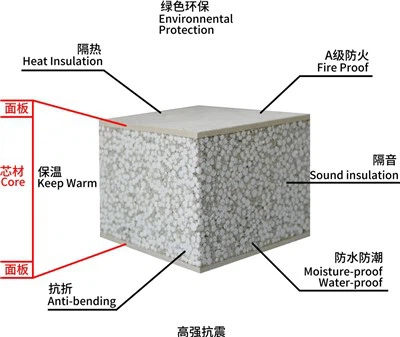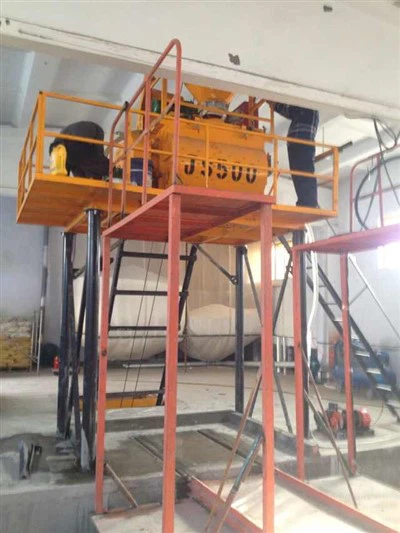

The service life of fiber cement board equipment is a crucial concern for both manufacturers and potential buyers. As a supplier of Fiber Cement Board Equipment, I've encountered numerous inquiries regarding this topic. In this blog, I'll delve into the factors that influence the service life of such equipment, typical lifespan expectations, and how to extend its usability.
Factors Affecting the Service Life of Fiber Cement Board Equipment
Quality of Manufacturing
The foundation of a long - lasting machine lies in its manufacturing quality. High - end fiber cement board equipment is crafted using top - grade materials and advanced production techniques. For instance, the frames of the equipment are often made of high - strength steel that can withstand the rigors of continuous operation. The precision of the manufacturing process also plays a vital role. Well - machined components fit together seamlessly, reducing wear and tear caused by misalignment. Equipment produced by reputable manufacturers with strict quality control measures generally has a longer service life. They conduct thorough testing at every stage of production to ensure that each part meets the required standards.
Operating Conditions
The environment in which the fiber cement board equipment operates significantly impacts its lifespan. If the equipment is placed in a dusty, humid, or corrosive environment, it will face accelerated deterioration. Dust can infiltrate moving parts, causing abrasion and reducing the efficiency of the machine. High humidity can lead to rusting of metal components, while corrosive substances can eat away at the materials. On the other hand, a clean, dry, and temperature - controlled environment can greatly extend the service life of the equipment. Regular cleaning and maintenance are also necessary to keep the operating conditions optimal.
Frequency of Use
How often the equipment is used is another key factor. Continuous, heavy - duty use without proper breaks can put excessive stress on the machine. Just like a human body, overworking the equipment without rest can lead to premature failure. For example, if a fiber cement board production line is running 24/7, the motors, belts, and other moving parts will experience more wear compared to a machine that operates on a more moderate schedule. It's important to find a balance between production needs and the well - being of the equipment.
Maintenance and Care
Proper maintenance is the most effective way to prolong the service life of fiber cement board equipment. Regular lubrication of moving parts reduces friction, which in turn minimizes wear. Checking and tightening bolts and nuts prevents loose components from causing damage. Scheduled inspections can detect potential problems early, allowing for timely repairs. Additionally, following the manufacturer's maintenance guidelines is essential. Some equipment may require specific types of lubricants or have unique maintenance procedures that need to be followed precisely.
Typical Service Life Expectations
On average, well - maintained fiber cement board equipment can have a service life of 10 to 15 years. However, this can vary widely depending on the factors mentioned above. High - quality equipment that is operated under ideal conditions and receives regular maintenance can last even longer, up to 20 years or more. In contrast, equipment that is poorly maintained, used in harsh environments, or over - utilized may only last 5 to 8 years.
For example, a simple cutting machine in a fiber cement board production line may have a relatively short lifespan if it is used frequently to cut thick boards. The blades will wear out quickly, and if not replaced in time, the motor and other components may be damaged. On the other hand, a large - scale mixing and forming machine that is properly maintained can serve for a long time, as long as it is not subjected to excessive stress.
Extending the Service Life of Fiber Cement Board Equipment
Training Operators
Properly trained operators are essential for the long - term health of the equipment. They should understand how to operate the machine correctly, including starting and stopping procedures, adjusting settings, and handling emergency situations. Training can also teach operators about the importance of maintenance and how to perform basic checks during operation. For example, an operator who knows how to detect unusual noises or vibrations can report potential problems early, preventing further damage.
Upgrading Components
As technology advances, upgrading certain components of the fiber cement board equipment can improve its performance and extend its service life. For example, replacing old - fashioned motors with more energy - efficient and reliable ones can reduce energy consumption and stress on the machine. Upgrading control systems can also enhance the precision and efficiency of the equipment. However, it's important to ensure that any upgrades are compatible with the existing equipment.
Using High - Quality Consumables
Consumables such as blades, filters, and belts have a direct impact on the performance and lifespan of the equipment. Using high - quality consumables can reduce wear on the machine and ensure consistent production quality. For example, a high - quality blade will cut more cleanly, reducing the stress on the cutting mechanism and extending its lifespan.


Related Equipment and Their Service Life
In addition to fiber cement board equipment, other related machines also play important roles in the production process. The EPS Cement Wall Panel Making Machine and Partition Panel Production Equipment have their own service life characteristics.
The service life of an EPS cement wall panel making machine is also influenced by factors such as manufacturing quality, operating conditions, and maintenance. Generally, with proper care, it can last around 8 to 12 years. Partition panel production equipment, depending on its complexity and usage, may have a service life ranging from 10 to 15 years. Similar to fiber cement board equipment, these machines also benefit from regular maintenance, proper operation, and the use of high - quality components.
Conclusion
The service life of fiber cement board equipment is determined by a combination of factors, including manufacturing quality, operating conditions, frequency of use, and maintenance. By understanding these factors and taking appropriate measures, manufacturers can extend the lifespan of their equipment, reduce production costs, and improve overall efficiency.
If you are interested in our fiber cement board equipment or any of our related products such as the EPS cement wall panel making machine or partition panel production equipment, please feel free to contact us for more information and to discuss your procurement needs. We are committed to providing you with high - quality equipment and excellent after - sales service.
References
- "Industrial Equipment Maintenance Handbook"
- "Manufacturing Technology and Equipment Lifespan"
- Industry reports on fiber cement board production equipment