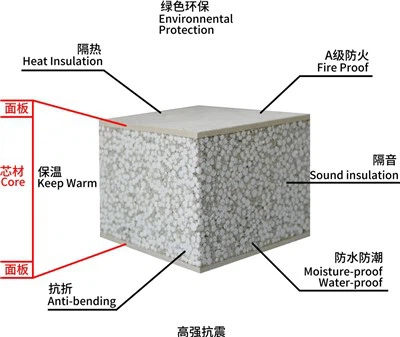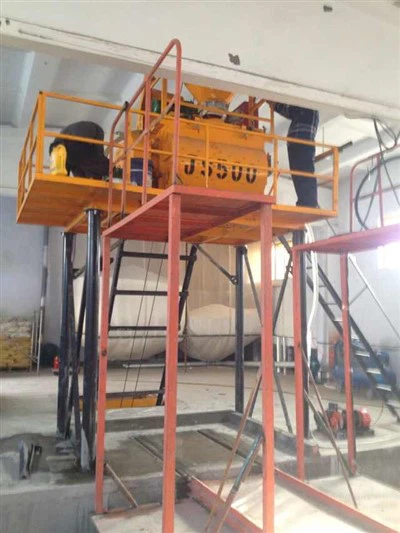

Ensuring the stability of EPS sandwich panel installation is crucial for the overall performance and longevity of any building project. As a trusted EPS sandwich panel supplier, I understand the significance of providing high-quality products and sharing expert knowledge on proper installation techniques. In this blog post, I will discuss several key factors and steps to ensure the stability of EPS sandwich panel installation.
Understanding EPS Sandwich Panels
Before delving into the installation process, it's essential to have a clear understanding of EPS sandwich panels. EPS (Expanded Polystyrene) is a lightweight and insulating material that is sandwiched between two layers of other materials, such as metal, cement, or fiberglass. These panels are widely used in various construction applications, including walls, roofs, and partitions, due to their excellent insulation properties, durability, and cost-effectiveness.
There are different types of EPS sandwich panels available in the market, each with its own unique features and benefits. For example, the EPS Cement Sandwich Insolation Board offers superior insulation and fire resistance, making it ideal for both residential and commercial buildings. The Lightweight Precast EPS Cement Sandwich Panel is prefabricated, which means it can be quickly installed on-site, reducing construction time and labor costs. The Anti-seismic Cement Sandwich Panel is designed to withstand seismic activity, providing an extra layer of safety in earthquake-prone areas.
Site Preparation
Proper site preparation is the first step in ensuring the stability of EPS sandwich panel installation. The site should be clean, level, and free of any debris or obstacles that could interfere with the installation process. The foundation on which the panels will be installed must be strong and stable, capable of supporting the weight of the panels and any additional loads.
If the site is uneven, it may be necessary to level the ground using a grader or other appropriate equipment. In some cases, a concrete slab or other type of foundation may need to be poured to provide a stable base for the panels. It's important to follow the manufacturer's recommendations and local building codes when preparing the site.
Panel Selection and Inspection
Choosing the right type of EPS sandwich panels for your project is crucial. Consider the specific requirements of your building, such as insulation needs, fire resistance, and structural strength. As a supplier, I can provide you with detailed information about the different types of panels available and help you select the ones that are best suited for your project.
Before installation, carefully inspect each panel for any damage or defects. Check for cracks, dents, or other signs of damage that could affect the panel's performance or stability. If any damaged panels are found, they should be replaced immediately to ensure the integrity of the installation.
Installation Techniques
- Proper Handling and Storage
- EPS sandwich panels are relatively lightweight, but they can still be damaged if not handled properly. When transporting the panels to the site, use appropriate equipment and ensure that they are secured to prevent shifting or damage.
- Store the panels in a dry, protected area until they are ready to be installed. Stack the panels in a stable manner, following the manufacturer's recommendations for maximum stack height and weight.
- Alignment and Fixing
- Start by installing the first panel at the corner of the building, ensuring that it is level and plumb. Use a spirit level to check the panel's alignment and make any necessary adjustments.
- Secure the panel to the foundation or structure using the appropriate fixing methods, such as screws, bolts, or adhesive. Follow the manufacturer's instructions for the correct type and spacing of fasteners.
- As you install each subsequent panel, ensure that it is properly aligned with the previous panel. Use a tongue-and-groove joint or other interlocking system to ensure a tight fit between the panels.
- Sealing and Insulation
- To prevent air and water infiltration, seal the joints between the panels using a high-quality sealant. Apply the sealant evenly along the joint, following the manufacturer's instructions.
- In addition to sealing the joints, it's important to ensure that the panels are properly insulated. This can be achieved by using additional insulation materials, such as foam or fiberglass, between the panels or in the cavities.
- Structural Support
- Depending on the size and design of the building, additional structural support may be required. This can include using steel frames, columns, or beams to reinforce the panels and provide additional stability.
- Ensure that the structural support is properly installed and connected to the panels, following the manufacturer's recommendations and local building codes.
Quality Control and Testing
During the installation process, it's important to conduct regular quality control checks to ensure that the panels are being installed correctly and that the installation meets the required standards. This can include checking the alignment, fixing, and sealing of the panels, as well as inspecting the structural support.


After the installation is complete, perform a final inspection to ensure that the building is safe and functional. Test the insulation properties of the panels, check for any air or water leaks, and ensure that the panels are structurally sound.
Maintenance and Monitoring
Once the EPS sandwich panels are installed, regular maintenance and monitoring are essential to ensure their long-term stability and performance. Inspect the panels periodically for any signs of damage or wear, and make any necessary repairs or replacements.
Check the seals and insulation regularly to ensure that they are still effective. If any issues are detected, address them promptly to prevent further damage or deterioration.
Conclusion
Ensuring the stability of EPS sandwich panel installation requires careful planning, proper site preparation, correct panel selection, and skilled installation techniques. By following the guidelines outlined in this blog post, you can ensure that your EPS sandwich panel installation is safe, durable, and performs as expected.
As a leading EPS sandwich panel supplier, I am committed to providing you with high-quality products and expert advice. If you have any questions or need assistance with your project, please don't hesitate to contact me. I look forward to working with you and helping you achieve your construction goals.
References
- Building Construction Handbook, various editions
- EPS Sandwich Panel Manufacturer's Installation Guides
- Local Building Codes and Regulations