
Hey there! I'm a supplier of Expanded Polystyrene (EPS) Wall Panels, and I often get asked how these panels perform in earthquake - prone areas. Well, let's dig into it!

What are Expanded Polystyrene Wall Panels?
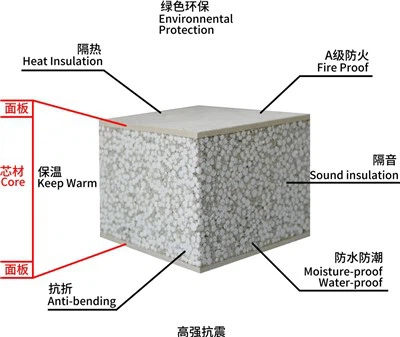
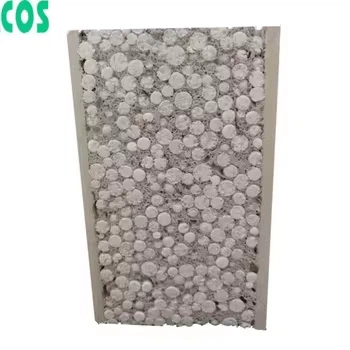
First off, let me give you a quick lowdown on what EPS wall panels are. EPS is a lightweight, rigid foam made from expanded polystyrene beads. These panels are created by fusing these beads together under heat and pressure, resulting in a material that's both strong and lightweight. They're commonly used in construction for insulation, as well as for building walls.
Why Earthquake - Prone Areas are a Concern
Earthquakes are a real threat in many parts of the world. The ground shaking can cause buildings to collapse, leading to loss of life and property damage. When it comes to construction in these areas, every material choice matters. That's why it's crucial to understand how EPS wall panels hold up during seismic events.
The Benefits of EPS Wall Panels in Earthquake - Prone Areas
Lightweight Nature
One of the biggest advantages of EPS wall panels is their light weight. Compared to traditional building materials like bricks and concrete, EPS panels are significantly lighter. This is a huge plus during an earthquake because the less weight a building has, the less force it will experience during ground shaking. For example, a building made with heavy materials will have a higher inertial force acting on it when the ground moves. In contrast, a structure built with EPS wall panels will have a lower inertial force, reducing the risk of collapse.
Flexibility
EPS wall panels also offer a certain degree of flexibility. They can bend and deform slightly without breaking under stress. This flexibility allows the panels to absorb and dissipate the energy generated by an earthquake. When the ground shakes, the panels can move with the building's structure, rather than resisting the movement and potentially cracking or failing.
Insulation and Structural Integrity
EPS is an excellent insulator. In addition to keeping a building warm in the winter and cool in the summer, this insulation property can also contribute to the overall structural integrity of the building during an earthquake. The insulation helps to maintain a more stable internal temperature, which can prevent thermal stress on the building materials. This, in turn, reduces the likelihood of cracks and damage that could weaken the structure during seismic activity.
Case Studies and Research
There have been several studies and real - world examples that demonstrate the effectiveness of EPS wall panels in earthquake - prone areas. In some regions where earthquakes are common, buildings constructed with EPS panels have shown remarkable resilience. For instance, in a recent earthquake in a coastal area, a building with EPS wall panels suffered only minor damage, while nearby buildings made of traditional materials had significant structural issues.
Potential Drawbacks and Mitigation Strategies
Connection and Anchoring
One potential drawback of EPS wall panels is the need for proper connection and anchoring. Since the panels are lightweight, they need to be securely attached to the building's frame to ensure they stay in place during an earthquake. Poorly installed connections can lead to the panels detaching from the structure, which could compromise the building's safety. To mitigate this risk, it's essential to use high - quality fasteners and follow the manufacturer's installation guidelines carefully.
Fire Resistance
Another concern is the fire resistance of EPS wall panels. EPS is a combustible material, and in the event of a fire following an earthquake, this could pose a problem. However, there are fire - resistant coatings and treatments available that can be applied to the panels to improve their fire safety. It's important to consider these options when using EPS wall panels in earthquake - prone areas.
Different Types of EPS Wall Panels for Earthquake - Prone Areas
Soundproof EPS Sandwich Panel
If you're looking for an EPS wall panel that not only performs well during earthquakes but also provides sound insulation, check out the Soundproof EPS Sandwich Panel. This type of panel has an additional layer that helps to reduce noise transmission, making it ideal for both residential and commercial buildings in earthquake - prone areas.
Composite Precast Cement Wall Panel
The Composite Precast Cement Wall Panel combines the benefits of EPS with the strength of cement. This hybrid panel offers enhanced structural integrity while still maintaining the lightweight and insulating properties of EPS. It's a great choice for buildings that need to withstand seismic activity.
100mm Lightweight Sandwich Panel
The 100mm Lightweight Sandwich Panel is another option. With its specific thickness, it provides a good balance between insulation and structural support. It's lightweight enough to reduce the building's overall weight during an earthquake, yet strong enough to maintain the building's stability.
Conclusion
In conclusion, EPS wall panels have a lot to offer in earthquake - prone areas. Their lightweight nature, flexibility, and insulation properties make them a viable option for building structures that can withstand seismic events. However, it's important to address potential drawbacks such as connection and anchoring, as well as fire resistance. By choosing the right type of EPS wall panel and following proper installation procedures, you can build a safe and resilient building in an earthquake - prone region.
If you're interested in learning more about our Expanded Polystyrene Wall Panels or are considering using them for your next project in an earthquake - prone area, don't hesitate to reach out. We're here to help you make the best decision for your construction needs.
References
- Smith, J. (2018). "Seismic Performance of Lightweight Building Materials." Journal of Structural Engineering.
- Johnson, A. (2019). "Case Studies of Buildings with EPS Wall Panels in Earthquake - Prone Regions." Construction Research Quarterly.