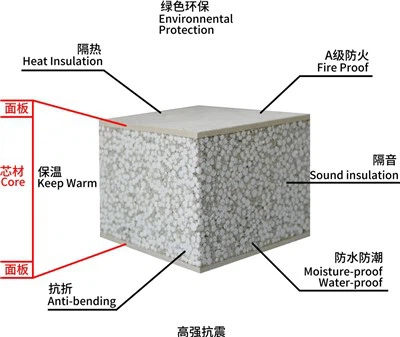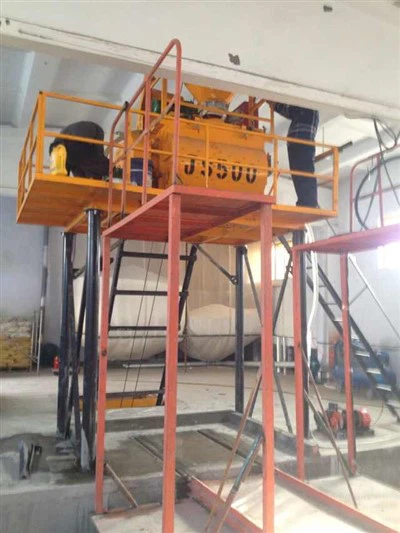

As a supplier of waterproof EPS sandwich panels, I often receive inquiries from customers about the density of these panels. Density is a crucial factor that affects the performance, quality, and suitability of waterproof EPS sandwich panels for various applications. In this blog post, I will delve into the concept of density in waterproof EPS sandwich panels, its significance, and how it relates to the panels' characteristics and applications.
Understanding Density in EPS Sandwich Panels
Density refers to the mass per unit volume of a material. In the context of waterproof EPS sandwich panels, density is typically expressed in kilograms per cubic meter (kg/m³). The EPS (Expanded Polystyrene) core of the sandwich panel plays a significant role in determining its overall density. EPS is a lightweight, rigid foam material made from expanded polystyrene beads. The density of the EPS core can vary depending on the manufacturing process and the desired properties of the panel.
Significance of Density in Waterproof EPS Sandwich Panels
The density of waterproof EPS sandwich panels has several important implications for their performance and suitability for different applications:
- Insulation Properties: Generally, higher density EPS cores offer better insulation performance. This is because the increased mass and reduced air space within the foam result in a lower thermal conductivity, meaning the panel can better resist the transfer of heat. As a result, buildings constructed with higher density waterproof EPS sandwich panels may require less energy for heating and cooling, leading to cost savings in the long run.
- Structural Strength: Density also influences the structural strength of the panels. Higher density EPS cores provide greater resistance to compression and impact, making the panels more durable and suitable for applications where they may be subjected to heavy loads or physical stress. For example, in industrial buildings or warehouses, panels with higher density cores can better support the weight of equipment and storage.
- Moisture Resistance: Waterproof EPS sandwich panels are designed to resist moisture penetration. The density of the EPS core can affect its ability to repel water. A higher density core may have a more compact structure, reducing the likelihood of water absorption and ensuring the panel's long-term performance in wet or humid environments.
- Fire Resistance: Some waterproof EPS sandwich panels are designed to meet specific fire safety standards. The density of the EPS core can impact the panel's fire resistance properties. Higher density cores may burn more slowly and release less heat and smoke, providing an added layer of safety in case of a fire.
Typical Density Ranges for Waterproof EPS Sandwich Panels
The density of waterproof EPS sandwich panels can vary widely depending on the specific application and requirements. Here are some typical density ranges for different types of panels:
- Low-Density Panels (15 - 25 kg/m³): These panels are lightweight and offer good insulation properties. They are commonly used in applications where weight is a critical factor, such as in temporary structures or mobile homes. However, they may have lower structural strength compared to higher density panels.
- Medium-Density Panels (25 - 35 kg/m³): Medium-density panels strike a balance between insulation, structural strength, and cost. They are suitable for a wide range of applications, including residential buildings, commercial offices, and light industrial facilities.
- High-Density Panels (35 - 50 kg/m³): High-density panels provide excellent insulation, high structural strength, and enhanced moisture and fire resistance. They are often used in demanding applications, such as cold storage facilities, industrial warehouses, and buildings located in harsh environments.
Factors Affecting the Density of Waterproof EPS Sandwich Panels
Several factors can influence the density of waterproof EPS sandwich panels during the manufacturing process:
- Raw Materials: The quality and type of EPS beads used in the production of the panels can affect their density. Different grades of EPS beads may have varying densities, and the manufacturer can select the appropriate beads based on the desired panel characteristics.
- Expansion Ratio: The expansion ratio of the EPS beads during the manufacturing process determines the final density of the core. By controlling the amount of blowing agent and the expansion conditions, manufacturers can achieve different density levels in the panels.
- Panel Thickness: The thickness of the panel also plays a role in its overall density. Thicker panels may have a higher density due to the increased amount of EPS material used. However, the relationship between thickness and density is not always linear, as other factors such as the core structure and facing materials can also affect the final density.
Applications of Waterproof EPS Sandwich Panels Based on Density
The density of waterproof EPS sandwich panels makes them suitable for a wide range of applications across various industries:
- Residential Construction: In residential buildings, medium-density waterproof EPS sandwich panels are commonly used for exterior walls, roofs, and partitions. They provide excellent insulation, reducing energy consumption and creating a comfortable living environment. The panels' lightweight nature also simplifies the construction process and reduces the load on the building's foundation.
- Commercial Buildings: For commercial offices, retail stores, and restaurants, waterproof EPS sandwich panels offer an attractive and cost-effective solution. The panels can be customized in terms of color, texture, and design to match the building's aesthetic requirements. High-density panels may be used in areas where additional structural strength or fire resistance is needed.
- Industrial Facilities: Industrial buildings, such as factories, warehouses, and cold storage facilities, require panels that can withstand heavy loads, harsh weather conditions, and strict safety regulations. High-density waterproof EPS sandwich panels are ideal for these applications, providing superior insulation, durability, and fire resistance.
- Agricultural Buildings: In the agricultural sector, waterproof EPS sandwich panels are used for barns, greenhouses, and storage facilities. The panels' insulation properties help maintain a stable temperature inside the buildings, protecting crops and livestock from extreme weather conditions. Low-density panels may be sufficient for less demanding agricultural applications, while higher density panels can be used for more critical structures.
Our Product Range
At our company, we offer a wide range of waterproof EPS sandwich panels with different density options to meet the diverse needs of our customers. Our product portfolio includes:
- 120mm EPS Cement Sandwich Panel: This panel features a 120mm thick EPS core with a cement facing, providing excellent insulation and structural strength. It is suitable for a variety of applications, including residential and commercial buildings.
- 90mm EPS Concrete Sandwich Board: The 90mm thick EPS core in this panel offers a good balance between insulation and weight. The concrete facing provides durability and protection against the elements, making it ideal for exterior walls and partitions.
- Fireproof EPS Fiber Cement Sandwich Panel: Designed to meet strict fire safety standards, this panel features a high-density EPS core and a fiber cement facing. It offers excellent fire resistance, insulation, and structural strength, making it suitable for applications where fire protection is a top priority.
Conclusion
The density of waterproof EPS sandwich panels is a critical factor that affects their insulation properties, structural strength, moisture resistance, and fire resistance. By understanding the significance of density and its relationship to the panels' performance, customers can make informed decisions when selecting the right panels for their specific applications. At our company, we are committed to providing high-quality waterproof EPS sandwich panels with a range of density options to meet the diverse needs of our customers. Whether you are building a residential home, a commercial office, or an industrial facility, we have the expertise and products to help you achieve your goals.


If you are interested in learning more about our waterproof EPS sandwich panels or would like to discuss your specific requirements, please do not hesitate to contact us. Our team of experts is ready to assist you with product selection, technical advice, and procurement. Let's work together to create a sustainable and energy-efficient building solution for your project.
References
- ASTM International. (2017). Standard Specification for Rigid, Cellular Polystyrene Thermal Insulation. ASTM C578 - 17.
- EN 13163:2012. Thermal insulation products for buildings - Factory made products of expanded polystyrene (EPS) - Specification.
- ISO 9229:2007. Thermal insulation - Vocabulary.