
Hey there! As a supplier of exterior wall sandwich panels, I often get asked this question: "Can exterior wall sandwich panels be used for interior walls?" Well, let's dig into this topic and find out.
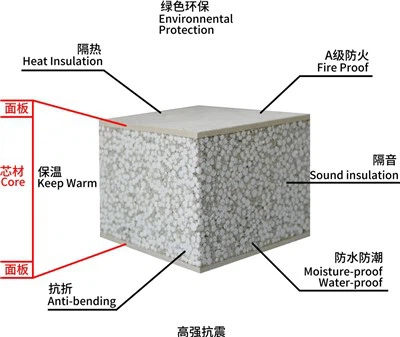
First off, let's talk about what exterior wall sandwich panels are. These panels typically consist of two outer layers and a core material in between. The outer layers can be made of various materials like metal, cement, or fiberglass, while the core could be something like polystyrene, polyurethane, or mineral wool. They're designed to provide insulation, structural support, and protection for the exterior of buildings.
Now, the big question is whether they can be used inside. The short answer is yes, but there are some things to consider.
Advantages of Using Exterior Wall Sandwich Panels for Interior Walls
1. Insulation
One of the main reasons people might want to use exterior wall sandwich panels for interior walls is their excellent insulation properties. For example, panels with a polystyrene core, like the Polystyrene Wall Panels, can help keep your indoor space warm in the winter and cool in the summer. This can lead to significant energy savings on your heating and cooling bills. If you live in an area with extreme temperatures, having well-insulated interior walls can make a huge difference in your comfort level.
2. Structural Strength
Exterior wall sandwich panels are built to withstand harsh weather conditions and external forces. This means they're also quite strong when used as interior walls. They can provide good support and stability, especially in larger buildings or areas where you might need to hang heavy objects on the walls. For instance, in a commercial space where you want to install large display boards or shelves, these panels can handle the weight without any issues.
3. Quick Installation
Another benefit is the ease and speed of installation. Since exterior wall sandwich panels are pre - fabricated, they can be installed much faster than traditional wall construction methods. This is great if you're on a tight schedule for a renovation or new construction project. You can have your interior walls up and ready in no time, getting your space up and running faster.
4. Design Flexibility
There's a wide range of options when it comes to the appearance of exterior wall sandwich panels. You can choose from different colors, textures, and finishes to match your interior design style. Whether you're going for a modern, industrial look or a more traditional aesthetic, there's a panel that can fit the bill. The Composite Precast Cement Wall Panel offers a great combination of durability and a sleek, contemporary look.
Disadvantages and Considerations
1. Cost
Exterior wall sandwich panels can be more expensive than some traditional interior wall materials. The initial investment might be higher, especially if you're using high - quality panels with advanced insulation and structural features. However, you need to consider the long - term savings on energy costs and the potential increase in property value.
2. Fire Safety
Some core materials used in exterior wall sandwich panels, like polystyrene, are flammable. This can be a concern when using them for interior walls, especially in areas where fire safety is a top priority, such as schools, hospitals, or commercial kitchens. Make sure to choose panels with fire - resistant core materials or use additional fire - protection measures. The Heat Insulation Prefabricated Cement Board is a good option as it offers better fire resistance.
3. Acoustic Properties
While some exterior wall sandwich panels can provide decent sound insulation, others might not be as effective. If noise reduction is a major concern for your interior space, you'll need to do some research and choose panels with good acoustic properties. You might also need to add additional sound - proofing materials to achieve the desired level of noise reduction.


4. Ventilation
Proper ventilation is crucial when using exterior wall sandwich panels for interior walls. Since these panels are often airtight, they can trap moisture inside the walls, leading to mold and mildew growth. Make sure to design your ventilation system carefully to prevent these issues.
Applications of Exterior Wall Sandwich Panels in Interior Walls
1. Residential Buildings
In homes, exterior wall sandwich panels can be used in various areas. For example, you can use them to create partition walls in large open - plan living spaces. They can also be used in basements to improve insulation and make the space more habitable. If you're building an addition to your home, these panels can be a great choice for a quick and efficient construction.
2. Commercial Buildings
Commercial spaces like offices, warehouses, and retail stores can also benefit from using exterior wall sandwich panels for interior walls. In offices, they can help create private meeting rooms or partition large open - plan offices. In warehouses, they can be used to divide storage areas or create office spaces within the warehouse. Retail stores can use them to create unique display areas or change rooms.
3. Industrial Buildings
In industrial settings, exterior wall sandwich panels can be used to separate different work areas, such as production areas from storage areas. They can also provide insulation and protection in areas where temperature control is important, like cold storage facilities.
Making the Decision
So, should you use exterior wall sandwich panels for your interior walls? It really depends on your specific needs and circumstances. If you're looking for good insulation, structural strength, and a quick installation, they can be a great option. However, you need to weigh the advantages against the disadvantages, especially in terms of cost, fire safety, and acoustic properties.
If you're still not sure, I'd be more than happy to help. As a supplier of exterior wall sandwich panels, I have a lot of experience and can provide you with detailed information about different panel options, their features, and how they can work for your project. Whether you're a homeowner, a contractor, or a business owner, I'm here to assist you in making the right choice.
If you're interested in learning more or discussing a potential purchase, don't hesitate to reach out. We can have a chat about your requirements, and I can give you a quote based on your specific needs. Let's work together to create the perfect interior walls for your space.
References
- Building Construction Handbook
- Insulation Materials and Their Applications Guide
- Fire Safety Standards for Building Materials