
Hey there! I'm a supplier of Waterproof Cement Sandwich Boards, and I've been getting a lot of questions lately about how these boards affect indoor air quality. So, I thought I'd take a deep dive into this topic and share some insights with you.
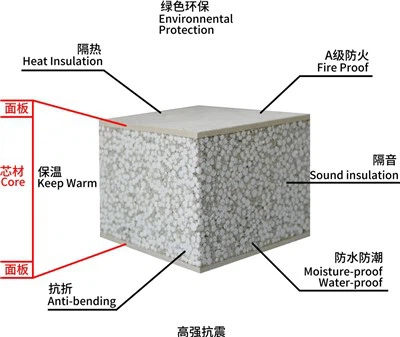
First off, let's talk about what Waterproof Cement Sandwich Boards are. These boards are a composite building material that consists of a core material sandwiched between two layers of cement. The core material can vary, but common options include polystyrene, foam concrete, and calcium silicate. Each type of core material has its own unique properties, which can impact indoor air quality in different ways.
Impact of Core Materials on Indoor Air Quality
Polystyrene Core
Polystyrene is a popular choice for the core of Waterproof Cement Sandwich Boards because it's lightweight, insulating, and cost - effective. However, there are some concerns when it comes to indoor air quality. Polystyrene can release volatile organic compounds (VOCs) over time, especially when it's exposed to heat or sunlight. VOCs are chemicals that can vaporize at room temperature and have been linked to a variety of health issues, including headaches, dizziness, and respiratory problems.
But here's the good news. Modern manufacturing processes have significantly reduced the amount of VOCs released by polystyrene. Many high - quality 120mm Polystyrene Building Panels are now treated to minimize VOC emissions. As a supplier, I make sure to source products that meet strict environmental standards, so you can rest assured that the polystyrene core in our boards won't cause major air quality problems.
Foam Concrete Core
Foam concrete is another option for the core of Waterproof Cement Sandwich Boards. It's made by mixing cement, water, and foam, and it has some great advantages. Foam concrete is non - toxic and doesn't release any harmful chemicals into the air. It's also fire - resistant and has good sound - insulating properties.
Foam Concrete Cement Sandwich Panel is an excellent choice if you're concerned about indoor air quality. Since it's made primarily of cement and water, there are no VOCs or other pollutants to worry about. Plus, its porous structure can actually help to improve air circulation in a room, which is beneficial for overall air quality.
Calcium Silicate Core
Calcium silicate is a mineral - based material that's known for its durability and fire resistance. It's also a great option for indoor applications because it doesn't emit any harmful substances. Calcium Silicate Cement Board is a popular choice in buildings where air quality is a top priority, such as hospitals and schools.
Calcium silicate boards are chemically stable and won't break down over time to release pollutants. They also have good moisture - resistant properties, which can prevent the growth of mold and mildew. Mold and mildew are major contributors to poor indoor air quality, as they can release spores that cause allergic reactions and respiratory problems.
The Role of the Cement Layers
The cement layers on the outside of Waterproof Cement Sandwich Boards also play an important role in indoor air quality. Cement is a relatively inert material, which means it doesn't release many pollutants on its own. However, during the manufacturing process, some cement products may contain small amounts of heavy metals or other contaminants.
As a responsible supplier, I work with manufacturers who use high - quality cement and follow strict quality control measures. This ensures that the cement layers in our boards are safe and won't contribute to poor indoor air quality. Additionally, the cement layers can act as a barrier, preventing any potential pollutants from the core material from escaping into the indoor environment.
Installation and Maintenance
Proper installation and maintenance of Waterproof Cement Sandwich Boards are crucial for maintaining good indoor air quality. During installation, it's important to ensure that the boards are properly sealed to prevent air leakage. Any gaps or cracks in the installation can allow outside air, which may contain pollutants, to enter the building.
Regular maintenance is also important. Inspect the boards periodically for signs of damage, such as cracks or water stains. If you notice any issues, address them promptly to prevent further damage and potential air quality problems.


Conclusion
In conclusion, Waterproof Cement Sandwich Boards can have a positive or negative impact on indoor air quality, depending on the core material, the quality of the cement, and how they're installed and maintained. As a supplier, I'm committed to providing products that are safe and environmentally friendly. Whether you choose a polystyrene, foam concrete, or calcium silicate core, you can trust that our boards are designed to meet high standards of air quality.
If you're in the market for Waterproof Cement Sandwich Boards and want to learn more about how they can fit into your project while maintaining good indoor air quality, I'd love to talk to you. Contact me to start a conversation about your specific needs and how we can work together to create a healthy and comfortable indoor environment.
References
- Indoor Air Quality Association. (Year). "Guide to Understanding Indoor Air Pollutants."
- Building Research Council. (Year). "Research on Composite Building Materials and Air Quality."