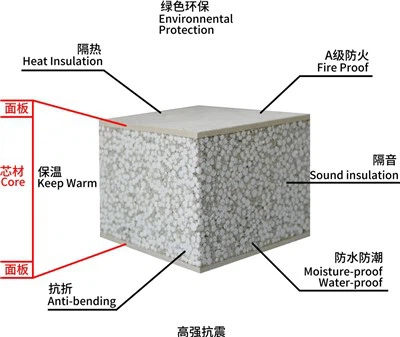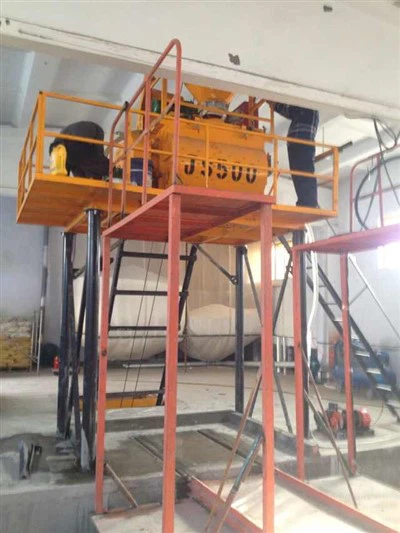

Can an EPS Sandwich Panel Machine produce panels with different densities?
As a supplier of EPS sandwich panel machines, I am often asked whether our machines can produce panels with different densities. The answer is a resounding yes! In this blog post, I will delve into the technical details of how our EPS sandwich panel machines achieve this flexibility, the benefits of producing panels with varying densities, and real - world applications where different density panels are crucial.
Technical Aspects of Producing Different Density Panels
Our EPS sandwich panel machines are designed with advanced technology that allows for precise control over the density of the panels produced. The key lies in the way the expanded polystyrene (EPS) beads are processed and combined with other materials in the machine.


The first step is the pre - expansion of the EPS beads. Our machines are equipped with a pre - expander that can adjust the steam pressure and injection time. By altering these parameters, we can control the degree of expansion of the EPS beads. Higher steam pressure and longer injection times generally result in more expanded beads, which in turn lead to lower - density panels. Conversely, lower steam pressure and shorter injection times produce less expanded beads, creating higher - density panels.
Once the EPS beads are pre - expanded, they are transferred to the molding chamber of the machine. Here, the beads are further heated and fused together under pressure. Our machines have adjustable pressure settings, which can be fine - tuned according to the desired panel density. Higher pressure compresses the beads more tightly, increasing the density of the final panel, while lower pressure allows the beads to remain more loosely packed, resulting in a lower - density panel.
In addition to adjusting the pre - expansion and molding parameters, our machines also allow for the addition of different amounts of additives. Additives such as flame retardants, anti - aging agents, and strengthening agents can affect the density of the panel. By carefully controlling the quantity of these additives, we can further customize the density of the panels.
Benefits of Producing Panels with Different Densities
Producing panels with different densities offers several advantages. Firstly, it allows for greater customization to meet the specific needs of different customers and applications. For example, in the construction industry, lower - density EPS sandwich panels are often used for interior partition walls. These panels are lightweight, easy to install, and provide good insulation properties. On the other hand, higher - density panels are more suitable for exterior walls, as they offer better structural strength and durability.
Secondly, different density panels can optimize the cost - performance ratio. Lower - density panels are generally less expensive to produce, making them a cost - effective option for applications where high strength is not a primary requirement. Higher - density panels, although more costly, are necessary for applications that demand superior performance and long - term reliability.
Finally, the ability to produce panels with different densities gives our customers a competitive edge in the market. They can offer a wider range of products to their clients, catering to different budgets and requirements. This not only increases customer satisfaction but also helps to expand their market share.
Real - World Applications
There are numerous real - world applications where panels with different densities are essential.
1. Construction Industry
In building construction, different density EPS sandwich panels are used for various purposes. As mentioned earlier, low - density panels are used for interior Partition Panel Production Equipment because of their light weight and insulation properties. They can be easily cut and installed, reducing labor costs and construction time. High - density panels, on the other hand, are used for exterior walls, roofs, and load - bearing structures. These panels provide excellent thermal insulation, soundproofing, and structural support, ensuring the energy efficiency and safety of the building.
2. Cold Storage Industry
In cold storage facilities, maintaining a stable low temperature is crucial. Low - density EPS sandwich panels are often used for the inner lining of cold rooms. Their high insulation properties help to minimize heat transfer, reducing energy consumption. High - density panels can be used for the outer layer of the cold storage building, providing protection against external factors such as wind, rain, and impact.
3. Transportation Industry
In the transportation industry, EPS sandwich panels are used in the construction of trailers, containers, and caravans. Low - density panels are used to reduce the overall weight of the vehicle, improving fuel efficiency. High - density panels are used in areas that require more strength, such as the floor and the side walls, to withstand the rigors of transportation.
Our Machine Models and Their Capabilities
We offer a range of EPS sandwich panel machines, each with its own unique features and capabilities for producing panels with different densities.
The EPS Conctret Sandwich Panel Production Equipment is designed for producing EPS concrete sandwich panels. This machine can produce panels with a wide range of densities, from low - density panels for non - load - bearing applications to high - density panels for structural use. It is equipped with advanced control systems that allow for precise adjustment of the production parameters, ensuring consistent panel quality.
The Upright EPS Sandwich Panel Forming Machine is another popular model in our product line. This machine is capable of producing upright EPS sandwich panels with different densities. It has a high - speed production capacity and can be easily integrated into existing production lines. The adjustable pressure and temperature settings of this machine enable the production of panels with customized densities to meet various customer requirements.
Conclusion
In conclusion, our EPS sandwich panel machines are fully capable of producing panels with different densities. Through advanced technology and precise control over the production process, we can customize the density of the panels to meet the specific needs of different applications. The ability to produce panels with varying densities offers numerous benefits, including greater customization, optimized cost - performance, and a competitive edge in the market.
If you are interested in our EPS sandwich panel machines or have specific requirements for panel density, we encourage you to contact us for further discussion. Our team of experts is ready to provide you with detailed information and support to help you make the right choice for your business.
References
- Building Construction Handbook, McGraw - Hill Education
- Cold Storage Design and Operation Manual, International Institute of Refrigeration
- Transportation Materials and Structures, Wiley - Blackwell Publishing