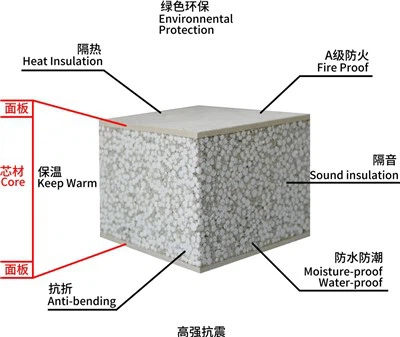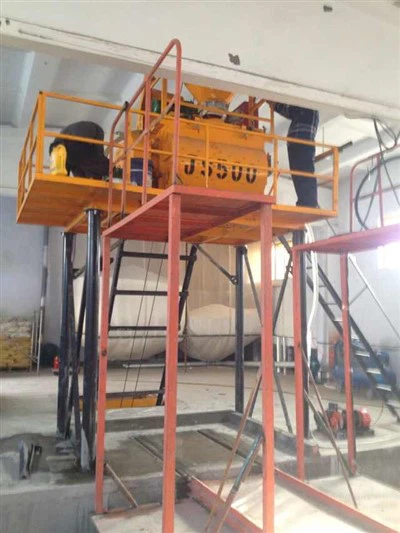

In the construction industry, lightweight partition wall panels have emerged as a revolutionary solution, offering a blend of practicality, efficiency, and versatility. As a leading supplier of lightweight partition wall panels, I've witnessed firsthand the transformative impact these panels have on modern construction projects. One of the most frequently asked questions we encounter is about the weight of these panels. In this blog post, I'll delve into the factors that influence the weight of lightweight partition wall panels, explore different types of panels and their respective weights, and discuss the importance of weight in construction applications.
Factors Influencing the Weight of Lightweight Partition Wall Panels
The weight of lightweight partition wall panels is determined by several key factors, each playing a crucial role in the overall performance and suitability of the panels for different construction needs.
Material Composition
The materials used in the manufacturing of lightweight partition wall panels have a significant impact on their weight. Common materials include expanded polystyrene (EPS), calcium silicate, gypsum, and fiberglass. EPS, for example, is a lightweight and insulating material that is often used as a core in sandwich panels. Panels with an EPS core tend to be lighter compared to those made of denser materials like solid concrete. Calcium silicate boards, on the other hand, offer excellent fire resistance and durability but are relatively heavier than EPS-based panels.
Panel Thickness
Thicker panels generally weigh more than thinner ones. The thickness of lightweight partition wall panels can vary depending on the specific application and load-bearing requirements. For interior partitions where structural support is not a major concern, thinner panels may be sufficient. However, for exterior walls or areas that require higher insulation or soundproofing, thicker panels may be necessary, which will naturally increase the weight.
Density of the Core Material
The density of the core material in sandwich panels is another important factor. A higher density core will result in a heavier panel. Manufacturers can adjust the density of the core material to meet specific performance requirements, such as strength, insulation, and fire resistance. For instance, a panel with a high-density EPS core may offer better structural integrity but will be heavier than a panel with a low-density core.
Surface Finishes
The type of surface finish applied to the panels can also contribute to their weight. Some finishes, such as textured coatings or laminated surfaces, may add a small amount of weight to the panels. However, the impact of surface finishes on the overall weight is usually minimal compared to the core material and panel thickness.
Types of Lightweight Partition Wall Panels and Their Weights
There are several types of lightweight partition wall panels available in the market, each with its own unique characteristics and weight profiles. Here are some of the most common types:
EPS Sandwich Panels
EPS sandwich panels are a popular choice for both interior and exterior partitions. These panels consist of an EPS core sandwiched between two layers of facing material, such as metal, fiberglass, or cement board. The weight of EPS sandwich panels can vary depending on the thickness of the panel and the density of the EPS core. On average, a 90mm Waterproof EPS Sandwich Panel weighs between 15 to 25 kilograms per square meter. These panels are known for their excellent insulation properties, lightweight nature, and ease of installation.
Calcium Silicate Board Panels
Calcium silicate board panels are widely used in applications where fire resistance and durability are essential. These panels are made from a mixture of calcium silicate, fiber, and other additives. The weight of calcium silicate board panels typically ranges from 18 to 25 kilograms per square meter, depending on the thickness and density of the board. Waterproof Calcium Silicate Board panels offer excellent moisture resistance, making them suitable for use in wet areas such as bathrooms and kitchens.
Gypsum Wall Panels
Gypsum wall panels are a common choice for interior partitions due to their affordability, ease of installation, and good sound insulation properties. These panels are made from gypsum plaster, which is a lightweight and fire-resistant material. The weight of gypsum wall panels can vary depending on the thickness and density of the panel. On average, a standard 12.5mm thick gypsum wall panel weighs around 9 to 11 kilograms per square meter.
Fiberglass Reinforced Panels
Fiberglass reinforced panels (FRP) are lightweight and strong panels that are commonly used in commercial and industrial applications. These panels are made from a combination of fiberglass and resin, which provides excellent strength and durability. The weight of FRP panels can vary depending on the thickness and composition of the panel. On average, a 6mm thick FRP panel weighs around 4 to 6 kilograms per square meter.
Importance of Weight in Construction Applications
The weight of lightweight partition wall panels is an important consideration in construction applications for several reasons:
Ease of Installation
Lightweight panels are much easier to handle and install compared to heavy panels. This can significantly reduce the installation time and labor costs, especially in large-scale construction projects. Additionally, the lightweight nature of these panels makes them suitable for use in areas where access is limited or where there are weight restrictions.
Structural Load
The weight of the partition wall panels can have an impact on the overall structural load of the building. In multi-story buildings, the weight of the partitions can contribute to the total dead load, which needs to be carefully considered in the structural design. Using lightweight panels can help to reduce the overall structural load, which may allow for a more efficient and cost-effective building design.
Transportation and Logistics
The weight of the panels also affects transportation and logistics. Lighter panels require less fuel and resources to transport, which can result in lower transportation costs and a reduced carbon footprint. Additionally, the ease of handling lightweight panels during transportation can minimize the risk of damage and ensure that the panels arrive at the construction site in good condition.


Energy Efficiency
In some cases, the weight of the partition wall panels can be related to their insulation properties. Panels with a higher insulation value may be heavier due to the use of denser insulation materials. However, these panels can also help to reduce energy consumption by providing better thermal insulation, which can result in lower heating and cooling costs over the lifetime of the building.
Conclusion
As a supplier of lightweight partition wall panels, I understand the importance of providing high-quality products that meet the specific needs of our customers. The weight of the panels is a critical factor that can impact the performance, installation, and cost of a construction project. By understanding the factors that influence the weight of lightweight partition wall panels and the different types available in the market, you can make an informed decision when choosing the right panels for your project.
If you're interested in learning more about our lightweight partition wall panels or have any questions about their weight or other properties, please don't hesitate to contact us. We're here to help you find the best solution for your construction needs and look forward to discussing your project with you.
References
- Building Materials Handbook, McGraw-Hill
- Construction Technology Institute, American Society of Civil Engineers
- National Institute of Standards and Technology (NIST)