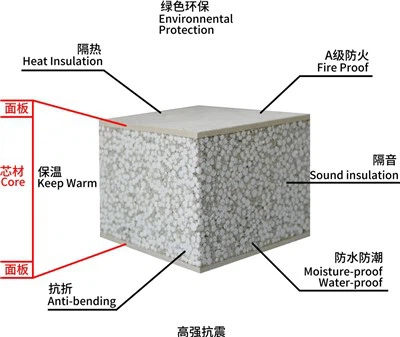

Hey there! As a supplier of Waterproof Cement Sandwich Boards, I've seen my fair share of issues with these boards, especially when it comes to damage. In this blog, I'm gonna share some tips on how to deal with damaged waterproof cement sandwich boards.
Understanding the Types of Damage
First off, it's important to know what kind of damage your board might have. There are a few common types:


- Physical Damage: This includes cracks, chips, or holes in the board. Physical damage can happen during transportation, installation, or due to external impacts. For example, if a heavy object is dropped on the board, it might crack.
- Water Damage: Even though these are waterproof boards, prolonged exposure to water can still cause problems. Water damage can lead to swelling, delamination (where the layers of the board start to separate), or the growth of mold and mildew.
- Chemical Damage: Exposure to certain chemicals can corrode or weaken the board. This could happen if the board is used in an industrial setting where it comes into contact with harsh chemicals.
Assessing the Damage
Once you've identified the type of damage, the next step is to assess how severe it is. A minor crack or chip might be easy to fix, while extensive water or chemical damage might mean the board needs to be replaced.
Here's a simple way to assess the damage:
- Visual Inspection: Look closely at the board to see the extent of the damage. Check for any signs of discoloration, swelling, or separation of the layers.
- Touch and Feel: Run your hand over the damaged area. If it feels rough, uneven, or soft, it could indicate more serious damage.
- Functionality Test: If the board is part of a structure, test its functionality. For example, if it's a wall panel, check if it still provides proper insulation or support.
Fixing Minor Damage
If the damage is minor, you might be able to fix it yourself. Here are some tips for different types of minor damage:
Cracks and Chips
- Clean the Area: Use a brush or a vacuum to remove any debris from the crack or chip.
- Fill the Damage: For small cracks, you can use a waterproof sealant or epoxy filler. Apply the filler to the crack or chip, following the manufacturer's instructions. Smooth it out with a putty knife.
- Sand and Finish: Once the filler has dried, sand the area to make it smooth. You can then paint or finish the area to match the rest of the board.
Surface Scratches
- Sand the Scratch: Use fine-grit sandpaper to sand the scratch gently. This will help to smooth out the surface and make the scratch less noticeable.
- Apply a Sealant: After sanding, apply a clear waterproof sealant to protect the area and prevent further damage.
Dealing with Major Damage
If the damage is extensive, it's usually best to replace the board. Here's how to do it:
Removing the Damaged Board
- Safety First: Wear protective gear, such as gloves and goggles, to avoid injury.
- Disconnect any Attachments: If the board is attached to other structures, such as framing or electrical wiring, disconnect them carefully.
- Remove the Board: Use a pry bar or a saw to remove the damaged board from the structure. Be careful not to damage the surrounding area.
Installing the New Board
- Measure and Cut: Measure the opening where the damaged board was removed and cut the new Waterproof Cement Sandwich Board to fit.
- Secure the Board: Place the new board in the opening and secure it using screws or nails. Make sure it is level and properly aligned.
- Seal the Edges: Apply a waterproof sealant to the edges of the board to prevent water from seeping in.
Preventing Future Damage
To avoid dealing with damaged boards in the future, here are some preventive measures you can take:
- Proper Installation: Make sure the boards are installed correctly, following the manufacturer's instructions. This includes using the right fasteners and sealants.
- Regular Maintenance: Inspect the boards regularly for any signs of damage. Clean the boards periodically to remove dirt and debris.
- Protect from External Factors: If the boards are exposed to harsh weather conditions, such as heavy rain or extreme temperatures, consider using protective covers or coatings.
Conclusion
Dealing with damaged waterproof cement sandwich boards doesn't have to be a headache. By understanding the types of damage, assessing it correctly, and taking the right steps to fix or replace the board, you can keep your structures in good condition.
If you're in the market for high-quality Waterproof Cement Sandwich Boards, Lightweight Precast EPS Cement Sandwich Panels, or EPS Cement Concrete Sandwich Panels, don't hesitate to reach out for a purchase negotiation. We're here to provide you with the best products and solutions for your needs.
References
- Manufacturer's guidelines for Waterproof Cement Sandwich Boards
- Industry standards for installation and maintenance of sandwich panels