
Hey there! As a supplier of Waterproof EPS Sandwich Panels, I often get asked about the surface finish of these panels. So, I thought I'd write this blog to share some insights on what the surface finish of waterproof EPS sandwich panels is all about.
What Are Waterproof EPS Sandwich Panels?
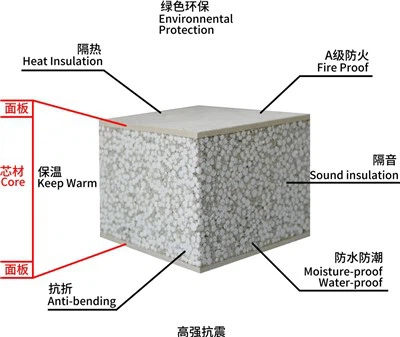
Before we dive into the surface finish, let's quickly go over what waterproof EPS sandwich panels are. EPS stands for Expanded Polystyrene, which is a lightweight and insulating material. These sandwich panels consist of an EPS core sandwiched between two outer layers. They're widely used in construction because of their excellent insulation properties, light weight, and cost - effectiveness. Plus, the waterproof feature makes them suitable for various environments where moisture is a concern.
Types of Surface Finishes
1. Galvanized Steel Finish
One of the most common surface finishes for waterproof EPS sandwich panels is galvanized steel. Galvanization is the process of applying a protective zinc coating to steel to prevent rust and corrosion. This finish offers great durability and is resistant to the elements. Galvanized steel - finished panels are commonly used in industrial buildings, warehouses, and even some residential applications. They can withstand harsh weather conditions, including rain, snow, and strong winds. The smooth surface of galvanized steel also makes it easy to clean, which is a plus for maintaining the appearance of the building.
2. Color - Coated Steel Finish
Color - coated steel finishes are very popular as well. These panels come in a wide range of colors, allowing for more aesthetic flexibility in building design. The color coating not only enhances the visual appeal but also provides an extra layer of protection on top of the galvanized steel base. It can resist fading, chipping, and scratching, which means the panels will look good for a long time. You can find color - coated waterproof EPS sandwich panels used in commercial buildings, schools, and hospitals. They can really make a building stand out with their vibrant colors and modern look.
3. Exterior Wall Sandwich Panel Finish
Exterior wall sandwich panels often have a specialized finish designed for the specific requirements of exterior walls. This finish is engineered to provide good insulation, weather resistance, and also a pleasing appearance. Some exterior wall sandwich panel finishes may have a textured surface, which can add a bit of character to the building facade. These panels are commonly used in both new construction projects and renovation work on the exterior walls of buildings. The finish helps to protect the EPS core from UV rays, moisture, and other environmental factors.
4. EPS Cement Concrete Sandwich Panel Finish
EPS cement concrete sandwich panels have a finish that combines the strength of cement and concrete with the insulation properties of EPS. The surface finish of these panels is usually rough, which can be beneficial for applications where better adhesion is needed, such as when applying additional coatings or plaster. This type of panel is often used in high - rise buildings and structures where fire resistance and structural strength are important. The cement - concrete finish provides good protection against impact and can also help to improve the fire - rating of the building.
5. Calcium Silicate Cement Board Finish
Calcium silicate cement board is another option for the surface finish of waterproof EPS sandwich panels. These boards are known for their high - strength, fire - resistance, and moisture - resistance properties. The finish of calcium silicate cement boards is smooth and can be painted or decorated easily. They're commonly used in areas where fire safety is a major concern, like in kitchens, boiler rooms, and commercial kitchens. The panels with this finish can also be used in clean rooms and other areas where a clean and hygienic environment is required.
Factors Affecting Surface Finish Selection
When it comes to choosing the right surface finish for waterproof EPS sandwich panels, there are several factors to consider.
1. Building Location
The location of the building plays a big role. If the building is in a coastal area, where there's a lot of salt in the air, a highly corrosion - resistant finish like galvanized or color - coated steel would be a good choice. On the other hand, if the building is in a region with extreme temperatures, a finish that provides good insulation and can withstand thermal expansion and contraction is essential.
2. Aesthetic Requirements
The look of the building matters. If you're aiming for a modern and sleek appearance, a color - coated steel finish with a smooth surface might be the way to go. For a more rustic or textured look, an exterior wall sandwich panel with a textured finish could be the better option. You want the panels to complement the overall design of the building and fit in with the surrounding environment.


3. Budget
Budget is always a consideration. Some finishes, like color - coated steel with high - end coatings, can be more expensive than basic galvanized steel finishes. You need to balance your budget with the performance and aesthetic requirements of the project. Sometimes, a less expensive finish may still meet your needs if you're working on a tight budget.
4. Maintenance
Think about how much maintenance you're willing to do. Some finishes, like galvanized steel, are relatively low - maintenance and just need occasional cleaning. Others, like painted finishes, may require more frequent touch - ups to keep them looking good.
Benefits of Different Surface Finishes
Each surface finish offers unique benefits.
Galvanized steel finishes provide long - term corrosion protection, which means the panels will last a long time without significant damage. This can save you money in the long run as you won't have to replace the panels as often.
Color - coated steel finishes not only protect the panels but also give you the freedom to create a custom look for your building. They can enhance the curb appeal and make the building more attractive to potential tenants or customers.
Exterior wall sandwich panel finishes are designed specifically for exterior applications, so they offer excellent weather resistance and insulation. This can help to reduce energy costs by keeping the building cool in the summer and warm in the winter.
EPS cement concrete sandwich panel finishes provide high strength and fire resistance, which is crucial for the safety of the building and its occupants.
Calcium silicate cement board finishes are great for areas where fire and moisture are concerns. They can help to prevent the spread of fire and keep the environment clean and dry.
Conclusion
In conclusion, the surface finish of waterproof EPS sandwich panels is an important aspect to consider when choosing panels for your construction project. There are various types of finishes available, each with its own advantages and suitable applications. By considering factors such as building location, aesthetic requirements, budget, and maintenance, you can select the right surface finish for your needs.
If you're interested in purchasing waterproof EPS sandwich panels or have any questions about the surface finishes, feel free to reach out to us. We're here to help you make the best choice for your project. Let's start a conversation and find the perfect panels for your building!
References
- Building Construction Handbook
- Insulation Materials and Their Applications Guide
- Surface Finishes in Construction Manual