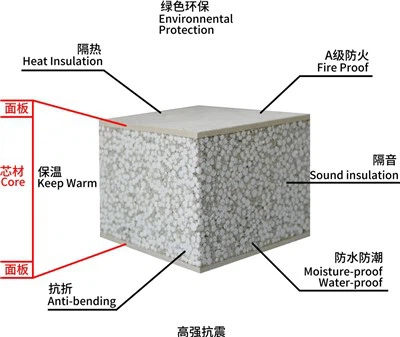

The price difference between different brands of lightweight partition wall panels can be influenced by a multitude of factors. As a supplier of Lightweight Partition Wall Panels, I have witnessed firsthand the varying price points in the market and understand the reasons behind them.
Quality of Materials
One of the primary determinants of the price is the quality of materials used in the manufacturing of the panels. High - end brands often source premium raw materials. For example, some brands use top - grade cement, fine - quality insulation materials, and high - strength fibers. These materials not only enhance the performance of the panels but also come at a higher cost.
On the other hand, budget - friendly brands may opt for more economical materials. While these panels can still serve the basic purpose of partitioning, they might lack in certain performance aspects such as durability, insulation, and fire resistance. For instance, a brand that uses recycled or lower - grade aggregates in its cement mix will likely have a lower production cost and, subsequently, a lower price for its lightweight partition wall panels.


Manufacturing Process
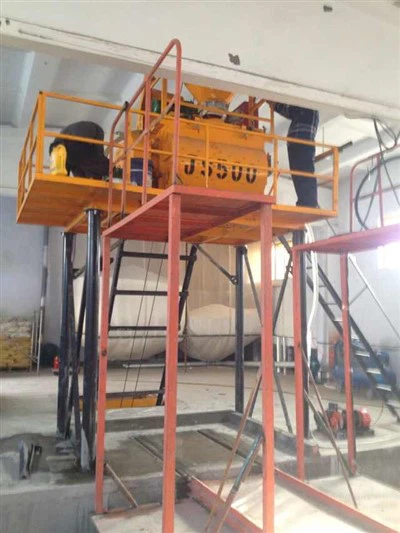
The manufacturing process also plays a crucial role in the pricing. Brands that invest in advanced manufacturing technologies and state - of - the - art equipment are likely to charge more for their products. These technologies can ensure a more precise and consistent production, resulting in panels with better dimensional accuracy and higher quality.
For example, some high - end brands use automated production lines that can precisely control the mixing of materials, the molding process, and the curing time. This level of control leads to panels that are more uniform in density and strength. In contrast, brands with less advanced manufacturing processes may have more variability in their products, but they can offer them at a lower price.
Brand Reputation
Brand reputation is another significant factor affecting the price. Well - established brands with a long history of producing high - quality products often command a premium. Customers are willing to pay more for a brand they trust, as they believe they are getting a reliable and high - performing product.
These brands have usually built their reputation through years of providing excellent customer service, meeting industry standards, and continuously innovating their products. For example, a brand that has been in the market for decades and has a large number of satisfied customers is likely to be more expensive than a new entrant in the market, even if the actual performance of the panels is similar.
Design and Customization
Some brands offer a wide range of design options and customization services for their lightweight partition wall panels. This can include different colors, textures, and sizes, as well as the ability to create panels with specific shapes or features. Customization requires additional time, labor, and resources, which are reflected in the price.
For instance, if a customer wants a partition wall panel with a unique pattern or a special finish, the brand will need to use special printing or coating techniques, which can increase the cost. Brands that focus on providing standard, off - the - shelf panels without much customization will generally have a lower price point.
Performance and Functionality
The performance and functionality of the panels also contribute to the price difference. Panels with enhanced features such as Heat Insulation Prefabricated Cement Board are more expensive. These panels are designed to provide better thermal insulation, which can help reduce energy consumption in a building.
Similarly, 90mm Waterproof EPS Sandwich Panel and Exterior Wall Sandwich Panel have specific functions that make them suitable for different applications. The 90mm waterproof panel is ideal for areas prone to moisture, while the exterior wall sandwich panel is designed to withstand external weather conditions. These specialized panels require additional materials and manufacturing processes, resulting in a higher price.
Market Competition
The level of competition in the market can also impact the price. In a highly competitive market, brands may lower their prices to attract more customers. This can lead to a wider range of price options for consumers.
However, in some cases, brands may try to differentiate themselves based on price and quality. Some may position themselves as high - end, premium brands, while others may target the budget - conscious segment of the market. As a supplier, I have seen how different brands adjust their prices in response to market competition to gain a larger market share.
Pricing Examples
To illustrate the price difference, let's consider a few examples. A basic, no - frills lightweight partition wall panel from a new or budget brand may cost around $20 - $30 per square meter. These panels are usually made from common materials and have standard dimensions and a simple design.
On the other hand, a high - end panel from a well - known brand with advanced insulation properties, a custom design, and high - quality materials can cost upwards of $80 - $100 per square meter. These panels are often used in high - end commercial buildings or luxury residential projects where quality and performance are of utmost importance.
Conclusion
In conclusion, the price difference between different brands of lightweight partition wall panels is influenced by multiple factors, including the quality of materials, manufacturing process, brand reputation, design and customization, performance and functionality, and market competition. As a supplier, I understand the diverse needs of my customers and offer a range of products to suit different budgets and requirements.
If you are in the market for lightweight partition wall panels and want to discuss your specific needs, I invite you to reach out to me. Whether you are looking for a cost - effective solution for a small project or high - end panels for a large - scale development, I can provide you with the right products and advice.
References
- Building Materials Handbook: A comprehensive guide to the properties and pricing of various building materials.
- Industry reports on the lightweight partition wall panel market, including trends in pricing and competition.
- Interviews with manufacturers and experts in the field of building materials.