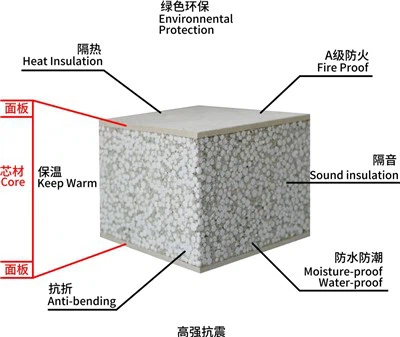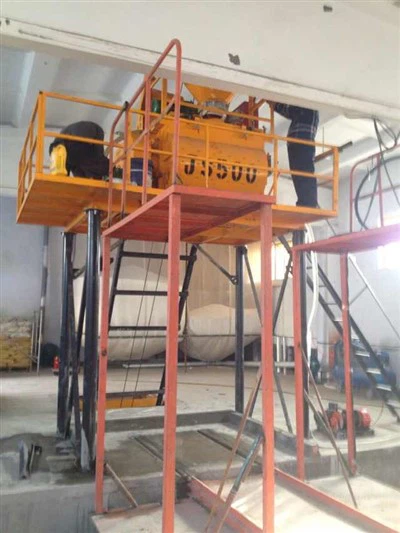

Noise is an inevitable by - product of industrial equipment operation, and fiber cement board equipment is no exception. As a supplier of Fiber Cement Board Equipment, understanding the noise level of our equipment during operation is crucial not only for the well - being of the operators but also for ensuring compliance with environmental regulations. In this blog, we will delve into the factors affecting the noise level of fiber cement board equipment, acceptable noise levels, and measures to control and reduce noise.
Factors Affecting the Noise Level of Fiber Cement Board Equipment
1. Mechanical Components
Fiber cement board equipment consists of various mechanical parts such as motors, gears, belts, and rollers. Motors are one of the primary sources of noise. The high - speed rotation of the motor's rotor and the vibration of its casing can generate significant noise. For example, a large - capacity motor used in the mixing or pressing process of fiber cement board production may produce a continuous humming sound.
Gears and belts also contribute to the noise level. When gears mesh, there is friction and impact between the teeth, which can create sharp, intermittent noises. Worn - out gears or misaligned belts can exacerbate this problem, leading to louder and more irregular noise. Rollers, which are used for shaping and transporting the fiber cement boards, can also generate noise due to the contact with the boards and the rotation of their bearings.
2. Operational Processes
The different operational processes in fiber cement board production have varying noise characteristics. The mixing process, where raw materials such as cement, fibers, and water are combined, can be quite noisy. The agitation of the mixer blades in the large - volume mixing tank creates a turbulent flow, resulting in a low - frequency rumbling noise.
The pressing process, on the other hand, involves high - pressure application. The sudden release of pressure and the impact of the press on the fiber cement board can produce loud, sharp noises. Cutting and trimming operations also generate noise. The cutting blades moving at high speeds through the hard fiber cement boards create a screeching sound, especially if the blades are not properly maintained.
3. Equipment Design and Installation
The design of the fiber cement board equipment plays a significant role in determining its noise level. Poorly designed equipment may have components that are not properly isolated or damped, allowing noise to escape easily. For example, if the motor housing is not well - insulated, the noise from the motor will be more audible in the surrounding environment.
Installation also matters. If the equipment is not installed on a stable foundation, it can vibrate more during operation, leading to increased noise. Uneven installation can cause misalignment of components, which in turn can increase friction and noise generation.
Acceptable Noise Levels
In industrial settings, there are standards and regulations regarding acceptable noise levels to protect the health of workers and minimize environmental impact. In most countries, the Occupational Safety and Health Administration (OSHA) and similar organizations have set limits on the noise exposure of workers.
For an 8 - hour workday, the permissible noise exposure level is generally around 85 decibels (dB). Prolonged exposure to noise levels above this can cause hearing loss, stress, and other health problems. In the case of fiber cement board equipment, it is essential to ensure that the noise levels at the operator's position and in the surrounding work area do not exceed these limits.
Measuring the Noise Level of Fiber Cement Board Equipment
To accurately measure the noise level of fiber cement board equipment, a sound level meter is used. The sound level meter should be placed at the operator's position and at various points around the equipment to get a comprehensive understanding of the noise distribution.


Measurements should be taken during normal operation of the equipment, with all components running at their typical speeds and loads. Multiple measurements should be taken over a period of time to account for any fluctuations in the noise level.
Noise Control and Reduction Measures
1. Equipment Design Improvements
As a supplier of Fiber Cement Board Equipment, we are constantly working on improving the design of our equipment to reduce noise. This includes using better - insulated motor housings, adding vibration - damping materials to mechanical components, and optimizing the gear and belt systems to reduce friction and impact noise.
For example, we can use rubber or foam gaskets between the motor and its mounting bracket to absorb vibrations and reduce noise transmission. In the design of the mixing tank, we can use internal baffles to reduce the turbulent flow and thus lower the noise generated during the mixing process.
2. Maintenance
Regular maintenance is crucial for keeping the noise level of fiber cement board equipment under control. This includes lubricating moving parts such as gears, bearings, and belts to reduce friction. Worn - out components should be replaced promptly. For example, if a cutting blade is dull, it will create more noise when cutting the fiber cement boards. By replacing the blade, we can not only reduce noise but also improve the quality of the cut.
3. Soundproofing
Installing soundproof enclosures around the equipment can significantly reduce the noise level in the surrounding area. These enclosures are made of materials that absorb and reflect sound, such as acoustic panels. The enclosures should be designed to allow for proper ventilation and access to the equipment for maintenance.
In addition to enclosures, we can also use sound - absorbing materials on the walls and ceilings of the production facility. This helps to reduce the reverberation of sound within the room, making the overall noise level more tolerable.
Impact of Noise on the Production Environment
High noise levels in a fiber cement board production facility can have several negative impacts. Firstly, it can affect the communication between workers. In a noisy environment, it is difficult for workers to hear each other clearly, which can lead to misunderstandings and potential safety hazards.
Secondly, noise can cause stress and fatigue among workers. Prolonged exposure to high - level noise can lead to decreased productivity and increased absenteeism. It can also have a negative impact on the mental health of the workers.
Our Commitment as a Supplier
As a supplier of Fiber Cement Board Equipment, we are committed to providing our customers with equipment that meets or exceeds the noise - control standards. We invest in research and development to continuously improve the noise - reduction features of our equipment.
We also offer consultation services to our customers on how to optimize the installation and operation of our equipment to minimize noise. Our goal is to not only provide high - quality fiber cement board production equipment but also to create a safe and comfortable working environment for the operators.
If you are in the market for Partition Panel Production Equipment or EPS Cement Wall Panel Making Machine, we encourage you to contact us for more information. Our team of experts can provide detailed information about the noise levels of our equipment and how we can help you meet your production needs while ensuring a low - noise working environment. We look forward to discussing your requirements and starting a fruitful business relationship.
References
- Occupational Safety and Health Administration (OSHA) standards on noise exposure.
- Textbooks on industrial noise control and equipment design.