
Hey there! As a supplier of EPS panel machines, I often get asked about the maximum thickness of panels that these machines can produce. It's a crucial question for many of our customers, whether they're in the construction, insulation, or packaging industries. So, let's dive right in and explore this topic in detail.
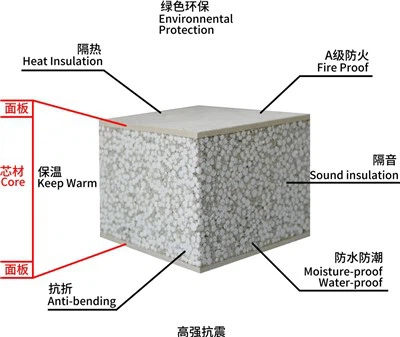
First off, what exactly is an EPS panel? EPS stands for Expanded Polystyrene, which is a lightweight and rigid foam plastic. EPS panels are made by expanding small beads of polystyrene with steam and then molding them into various shapes and sizes. These panels are known for their excellent insulation properties, low cost, and ease of installation, making them a popular choice in many applications.
Now, back to the main question: what's the maximum thickness of panels that an EPS panel machine can produce? Well, the answer isn't straightforward, as it depends on several factors. Let's break them down one by one.
Machine Design and Capacity
The design and capacity of the EPS panel machine play a significant role in determining the maximum panel thickness. Different machines are built with different specifications, and some are designed to produce thicker panels than others.


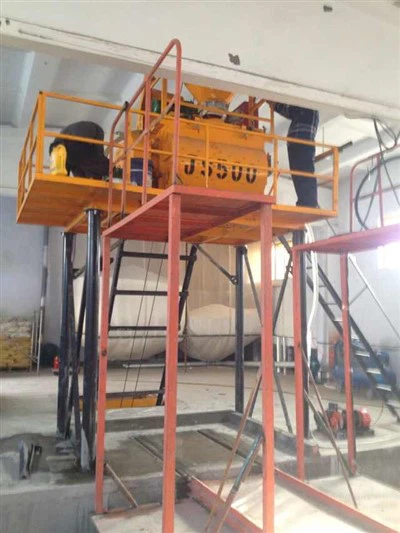
For example, our EPS Sandwich Panel Production Line is a high - end machine that can handle a relatively wide range of panel thicknesses. It's engineered with advanced technology and robust components, allowing it to produce panels with a maximum thickness of up to 300mm. This makes it suitable for large - scale construction projects where thick insulation panels are required.
On the other hand, our EPS Cement Wall Panel Making Machine is more focused on producing cement - coated EPS panels. While it can also produce thick panels, its maximum thickness might be slightly lower, around 200mm. This machine is great for building interior and exterior walls, where a balance between thickness and weight is needed.
Raw Materials
The type and quality of the raw materials used also affect the maximum panel thickness. EPS beads come in different grades, and each grade has its own characteristics. Higher - grade EPS beads tend to have better expansion properties and can be used to produce thicker panels.
When the beads are of good quality, they can expand uniformly during the manufacturing process, resulting in a more consistent panel structure. If the beads are of poor quality, they may not expand properly, leading to uneven panels or even panel breakage, especially when trying to produce thicker panels.
Manufacturing Process
The manufacturing process itself has a big impact on the maximum panel thickness. In the production of EPS panels, factors such as steam pressure, heating time, and cooling rate are crucial.
To produce thicker panels, we need to adjust the steam pressure and heating time accordingly. Higher steam pressure can help the EPS beads expand more fully, but we also need to be careful not to over - heat the panels, which could cause them to deform. After the panels are formed, a proper cooling process is essential to ensure that they maintain their shape and strength.
Market Demand
Market demand also influences the maximum thickness that our machines are designed to produce. In some regions, there is a high demand for thick EPS panels for use in cold storage facilities or in areas with extremely cold climates. In these cases, we may design our machines to be able to produce panels with greater thicknesses to meet the market needs.
In other areas, where space is limited or where lighter panels are preferred, the demand for thinner panels is higher. So, we also offer machines that can produce panels with a minimum thickness of as little as 20mm.
Real - World Examples
Let's take a look at some real - world examples to better understand the importance of panel thickness. In a commercial building project, thick EPS panels are often used for the roof and exterior walls. A panel thickness of 200 - 300mm can significantly improve the building's insulation performance, reducing energy consumption and saving costs in the long run.
For a packaging application, thinner EPS panels, around 20 - 50mm, are more commonly used. These panels provide adequate protection for fragile items while keeping the overall weight of the package low.
Our Experience as a Supplier
Over the years, we've gained a wealth of experience in producing EPS panel machines. We've worked with customers from all over the world, and we understand their diverse needs. That's why we offer a range of machines with different capabilities to meet various requirements.
Our team of experts is always ready to provide technical support and advice to our customers. Whether you're new to the industry or an experienced professional, we can help you choose the right machine based on the panel thickness you need.
If you're interested in our Fiber Cenment Board Production Equipment, which can also produce panels with different thicknesses, we can also offer detailed information about its performance and capabilities.
Conclusion
In conclusion, the maximum thickness of panels that an EPS panel machine can produce varies depending on machine design, raw materials, manufacturing process, and market demand. As a supplier, we offer a variety of machines to meet different needs, with maximum panel thicknesses ranging from 20mm to 300mm.
If you're in the market for an EPS panel machine and have specific requirements regarding panel thickness, don't hesitate to get in touch with us. We're here to help you find the perfect solution for your business. Whether you're looking to start a new project or upgrade your existing production line, we can provide you with the right machine and support.
References
- Industry reports on EPS panel manufacturing
- Technical specifications of our EPS panel machines