
EPS sandwich panels, composed of expanded polystyrene (EPS) core and various facing materials, have gained widespread popularity in the construction industry due to their excellent insulation properties, lightweight nature, and cost - effectiveness. As a supplier of EPS sandwich panels, I am often asked about their impact on indoor air quality. In this blog, I will delve into the various aspects of how EPS sandwich panels can affect the air we breathe inside buildings.
Composition and Potential Emissions
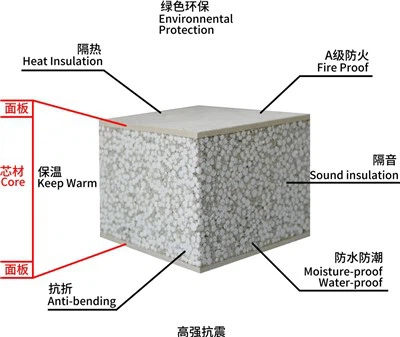
EPS sandwich panels typically consist of an EPS core, which is a type of rigid foam made from expanded polystyrene beads. The facing materials can vary, including metal sheets, cement boards, or other composite materials.
EPS Core
One of the primary concerns regarding EPS is its potential to release volatile organic compounds (VOCs). VOCs are organic chemicals that have a high vapor pressure at ordinary room temperature. In the case of EPS, during the production process, small amounts of styrene monomer may be left in the material. Styrene is a known VOC that can have negative health effects if inhaled in large quantities over an extended period. However, modern manufacturing processes have significantly reduced the residual styrene levels in EPS. According to a study by the European Centre for Ecotoxicology and Toxicology of Chemicals (ECETOC), the emission of styrene from EPS products is generally very low and well below the levels that would cause significant health risks.
Facing Materials
The facing materials of EPS sandwich panels can also contribute to indoor air quality issues. For example, some metal facings may be coated with paints or finishes that can release VOCs. Cement - based facing materials, on the other hand, are generally considered to be more environmentally friendly and have lower VOC emissions. However, during the curing process of cement, small amounts of ammonia and other alkaline substances may be released. These emissions usually decrease over time as the cement fully cures.
Impact on Indoor Air Quality in Different Stages
Installation Stage
During the installation of EPS sandwich panels, there may be some short - term impacts on indoor air quality. Cutting and shaping the panels can generate dust particles. If the dust is not properly managed, it can be inhaled by workers and occupants, potentially causing respiratory irritation. To mitigate this issue, proper dust control measures should be implemented, such as using dust - extraction equipment and wearing personal protective equipment.
Post - Installation Stage
In the long term, the impact of EPS sandwich panels on indoor air quality depends on several factors. Once the panels are installed and the building is occupied, the emission of VOCs from the EPS core and facing materials will gradually decrease. However, factors such as the ventilation rate of the building, the temperature, and the humidity can affect the emission rate. For example, higher temperatures and humidity levels can increase the volatility of VOCs, leading to higher emission rates.


A well - ventilated building can effectively reduce the concentration of VOCs and other pollutants in the indoor air. By providing adequate fresh air supply, the pollutants emitted from the EPS sandwich panels can be diluted and removed from the indoor environment. Therefore, proper ventilation design is crucial to maintaining good indoor air quality in buildings with EPS sandwich panels.
Advantages of EPS Sandwich Panels for Indoor Air Quality
Despite the potential concerns, EPS sandwich panels also have some advantages when it comes to indoor air quality.
Insulation Properties
EPS sandwich panels have excellent insulation properties, which can help to maintain a stable indoor temperature. By reducing the need for excessive heating or cooling, the energy consumption of the building is decreased. This, in turn, can reduce the emission of pollutants from energy - generating sources, such as power plants. Additionally, a stable indoor temperature can prevent the growth of mold and mildew, which are common indoor air pollutants that can cause respiratory problems and allergic reactions.
Air Tightness
EPS sandwich panels can provide good air tightness when properly installed. This can prevent the infiltration of outdoor pollutants, such as particulate matter, pollen, and exhaust fumes, into the indoor environment. By creating a more sealed indoor space, the air quality inside the building can be improved.
Product - Specific Considerations
As a supplier, I offer a variety of EPS sandwich panels, each with its own characteristics.
The 90mm EPS Concrete Sandwich Board is a popular choice for many construction projects. The concrete facing provides good fire resistance and durability. Since concrete is a relatively inert material, it has low VOC emissions, which is beneficial for indoor air quality. The 90mm thickness also provides excellent insulation, helping to maintain a comfortable indoor environment.
The 100mm Prefabricated Insulated Wall Panels are designed for high - performance insulation. The thicker EPS core provides better thermal insulation, reducing energy consumption and the associated pollutant emissions. These panels are prefabricated, which means that the installation process is faster and more efficient, minimizing the time during which dust and other pollutants may be generated.
The Anti - seismic Cement Sandwich Panel is a specialized product that combines the anti - seismic properties of cement with the insulation properties of EPS. The cement facing is environmentally friendly and has low VOC emissions. This panel is suitable for areas prone to earthquakes and can provide a safe and healthy indoor environment.
Conclusion and Call to Action
In conclusion, EPS sandwich panels can have both positive and negative impacts on indoor air quality. While there are potential concerns regarding VOC emissions and dust generation during installation, modern manufacturing processes and proper installation and ventilation practices can minimize these risks. The insulation and air - tightness properties of EPS sandwich panels can also contribute to better indoor air quality by reducing energy consumption and preventing the infiltration of outdoor pollutants.
If you are considering using EPS sandwich panels for your construction project, I encourage you to contact me for more information. I can provide detailed product specifications, technical support, and guidance on how to ensure good indoor air quality when using our panels. Whether you are building a residential home, a commercial building, or an industrial facility, our EPS sandwich panels can meet your needs. Let's work together to create a healthy and sustainable indoor environment.
References
- European Centre for Ecotoxicology and Toxicology of Chemicals (ECETOC). "Styrene: An Assessment of Risks to Human Health and the Environment." ECETOC Technical Report No. 111, 2008.
- Building Research Establishment (BRE). "Indoor Air Quality in Buildings." BRE Report, 2015.
- American Society of Heating, Refrigerating and Air - Conditioning Engineers (ASHRAE). "ASHRAE Handbook: Fundamentals." ASHRAE, 2017.