
The lubrication system of an EPS panel machine is a crucial component that ensures the smooth operation and longevity of the equipment. As a leading supplier of EPS panel machines, I understand the significance of a well - functioning lubrication system and its impact on the overall performance of the machine.
The Basics of an EPS Panel Machine
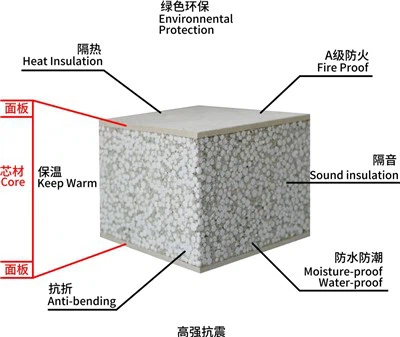
Before delving into the lubrication system, let's briefly understand what an EPS panel machine does. EPS (Expanded Polystyrene) panel machines are used to manufacture various types of panels made from EPS, which are widely used in construction, insulation, and packaging industries. These machines can produce different kinds of panels, such as EPS Sandwich Panel Machine, EPS Cement Sandwich Panel Production Line, and EPS Cement Wall Panel Making Machine.
Functions of the Lubrication System
The lubrication system in an EPS panel machine serves multiple essential functions. First and foremost, it reduces friction between moving parts. In an EPS panel machine, there are numerous components that move against each other, such as gears, bearings, and pistons. Without proper lubrication, the friction between these parts would generate excessive heat, leading to wear and tear, and ultimately, component failure. By applying a lubricant, a thin film is created between the moving surfaces, which minimizes direct contact and thus reduces friction.
Secondly, the lubrication system helps in heat dissipation. As mentioned earlier, friction generates heat. If this heat is not dissipated effectively, it can cause damage to the machine's components. The lubricant absorbs the heat generated during operation and transfers it away from the critical parts. This helps in maintaining the optimal operating temperature of the machine, preventing overheating and ensuring its reliable performance.
Another important function of the lubrication system is to protect the machine's components from corrosion. The lubricant forms a protective barrier on the metal surfaces, preventing moisture and other corrosive substances from coming into contact with the metal. This is particularly important in an industrial environment where the machine may be exposed to various chemicals and humidity.
Components of the Lubrication System
The lubrication system of an EPS panel machine typically consists of several key components. The first is the lubricant reservoir. This is where the lubricant is stored. The size of the reservoir depends on the size and complexity of the machine. A larger machine may require a larger reservoir to ensure an adequate supply of lubricant during operation.
The pump is another crucial component. The pump is responsible for circulating the lubricant throughout the system. It draws the lubricant from the reservoir and delivers it to the various parts of the machine that require lubrication. There are different types of pumps used in lubrication systems, such as gear pumps, piston pumps, and vane pumps. The choice of pump depends on factors such as the viscosity of the lubricant, the required flow rate, and the pressure needed to deliver the lubricant to the desired locations.
The distribution system is also an important part of the lubrication system. It consists of pipes, hoses, and fittings that carry the lubricant from the pump to the individual components of the machine. The distribution system is designed to ensure that the lubricant reaches all the critical parts in the correct amount. Some machines may have a centralized lubrication system, where a single pump supplies lubricant to multiple points through a network of pipes. Others may have a decentralized system, where each component has its own dedicated lubrication unit.
Finally, there are the lubrication points. These are the specific locations on the machine where the lubricant is applied. For example, in a gearbox, the lubrication points would be the gears and bearings. The lubrication points are carefully designed to ensure that the lubricant is applied precisely where it is needed to achieve the best results.
Types of Lubricants
There are different types of lubricants used in EPS panel machines, and the choice of lubricant depends on several factors, such as the operating conditions, the type of components being lubricated, and the manufacturer's recommendations.
Mineral oil - based lubricants are one of the most commonly used types. They are relatively inexpensive and have good lubricating properties. Mineral oil - based lubricants are suitable for a wide range of operating temperatures and can provide effective protection against friction and wear. However, they may not be as resistant to oxidation and may require more frequent changes compared to other types of lubricants.
Synthetic lubricants, on the other hand, offer superior performance in many aspects. They have better thermal stability, which means they can withstand higher temperatures without breaking down. Synthetic lubricants also have a lower coefficient of friction, which further reduces energy consumption and wear. Additionally, they are more resistant to oxidation and can last longer than mineral oil - based lubricants. However, synthetic lubricants are generally more expensive.
Greases are another option for lubrication in an EPS panel machine. Greases are a semi - solid lubricant that is made by mixing a thickening agent with a lubricating oil. Greases are often used in applications where the lubricant needs to stay in place, such as in bearings that have a slow - moving or intermittent motion. They provide good sealing properties and can prevent the ingress of contaminants.
Maintenance of the Lubrication System
Proper maintenance of the lubrication system is essential for the long - term performance of the EPS panel machine. Regular inspection of the lubricant level in the reservoir is necessary. If the lubricant level is low, it should be replenished immediately to ensure that there is an adequate supply of lubricant to the machine's components.
The quality of the lubricant also needs to be monitored. Over time, the lubricant can become contaminated with dirt, metal particles, and other debris. These contaminants can reduce the effectiveness of the lubricant and cause damage to the machine's components. Therefore, it is important to change the lubricant at regular intervals as recommended by the machine's manufacturer.
In addition to lubricant changes, the components of the lubrication system, such as the pump, pipes, and filters, should be inspected regularly for any signs of damage or blockage. A blocked filter can restrict the flow of lubricant, while a damaged pump may not be able to deliver the lubricant at the required pressure. Any faulty components should be replaced promptly to avoid machine breakdown.
Importance of a Well - Maintained Lubrication System
A well - maintained lubrication system can significantly improve the performance and reliability of an EPS panel machine. By reducing friction and wear, it can extend the lifespan of the machine's components, reducing the need for costly repairs and replacements. This, in turn, can lead to lower operating costs and increased productivity.
Moreover, a properly lubricated machine operates more smoothly and quietly. This not only improves the working environment but also reduces the risk of accidents caused by machine malfunction. In addition, a well - functioning lubrication system helps in maintaining the quality of the EPS panels produced by the machine. Since the machine operates more stably, it can produce panels with consistent dimensions and quality.
Conclusion
In conclusion, the lubrication system of an EPS panel machine is a vital part of its overall operation. It plays a crucial role in reducing friction, dissipating heat, protecting against corrosion, and ensuring the reliable performance of the machine. As a supplier of EPS panel machines, we understand the importance of providing our customers with machines that have a high - quality lubrication system. We also offer comprehensive after - sales support to help our customers maintain their machines' lubrication systems properly.
If you are interested in purchasing an EPS panel machine or have any questions about the lubrication system or other aspects of our products, please feel free to contact us for a detailed discussion. We are committed to providing you with the best solutions for your EPS panel production needs.


References
- Machinery's Handbook, Industrial Press Inc.
- Lubrication Fundamentals, Society of Tribologists and Lubrication Engineers (STLE)