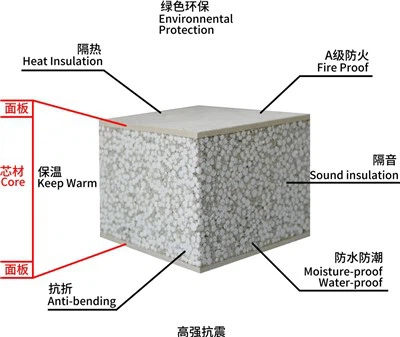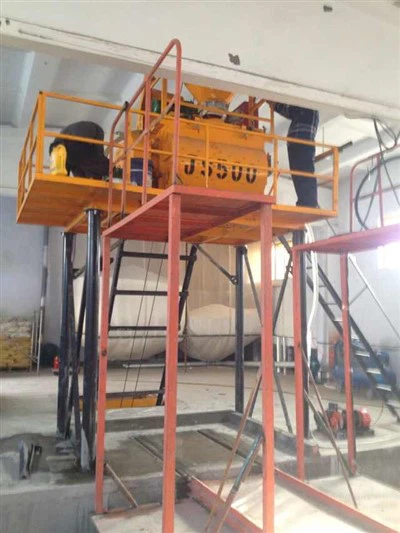

As a supplier of Exterior Wall Sandwich Panels, I've witnessed firsthand the challenges that come with the deformation of these panels. Deformation can not only affect the aesthetic appeal of a building but also compromise its structural integrity. In this blog, I'll share some insights on how to deal with the deformation of exterior wall sandwich panels based on my experience in the industry.
Understanding the Causes of Deformation
Before we can address the issue of deformation, it's essential to understand what causes it. There are several factors that can contribute to the deformation of exterior wall sandwich panels:
Temperature Changes
One of the primary causes of deformation is temperature changes. Exterior wall sandwich panels are exposed to a wide range of temperatures, from extreme heat in the summer to freezing cold in the winter. These temperature fluctuations can cause the panels to expand and contract, leading to deformation over time. For example, when the panels expand in hot weather, they may push against each other, causing warping or buckling.
Moisture Absorption
Moisture can also have a significant impact on the integrity of exterior wall sandwich panels. If the panels are not properly sealed or protected, they can absorb moisture from the environment. This can lead to swelling, warping, and even mold growth. Moisture can also weaken the bonding between the panel layers, further contributing to deformation.
Improper Installation
Another common cause of deformation is improper installation. If the panels are not installed correctly, they may not be able to withstand the stresses and forces they are subjected to. For example, if the panels are not properly aligned or secured, they may shift or move over time, leading to deformation. Additionally, if the installation process does not follow the manufacturer's guidelines, it can increase the risk of deformation.
Structural Load
The structural load on the exterior wall sandwich panels can also cause deformation. If the panels are not designed to support the weight of the building or the additional loads placed on them, they may sag or bow under the pressure. This is particularly important in high-rise buildings or structures with heavy equipment or machinery installed on the exterior walls.
Preventive Measures
To minimize the risk of deformation, it's important to take preventive measures during the design, installation, and maintenance of exterior wall sandwich panels. Here are some tips to help you prevent deformation:
Choose the Right Panel
Selecting the right type of exterior wall sandwich panel is crucial. Consider the specific requirements of your project, such as the climate, structural load, and aesthetic preferences. Exterior Wall Sandwich Panel comes in a variety of materials, thicknesses, and configurations, each with its own advantages and limitations. For example, Foam Concrete Cement Sandwich Panel offers excellent insulation and fire resistance, while 75mm Thickness EPS Sandwich Panel provides good thermal insulation and lightweight properties.
Follow the Manufacturer's Guidelines
Always follow the manufacturer's guidelines for installation, maintenance, and care of the exterior wall sandwich panels. These guidelines are designed to ensure the proper performance and longevity of the panels. They may include instructions on panel handling, storage, installation techniques, and recommended sealants and adhesives.
Proper Installation
Ensure that the panels are installed by experienced and qualified professionals. The installation process should be carried out with precision and attention to detail. Make sure the panels are properly aligned, secured, and sealed to prevent moisture ingress and movement. Use the appropriate fasteners and connectors recommended by the manufacturer to ensure a strong and stable installation.
Thermal Expansion and Contraction
To accommodate thermal expansion and contraction, leave sufficient expansion joints between the panels. These joints allow the panels to expand and contract freely without causing damage. The size and spacing of the expansion joints should be determined based on the panel material, temperature range, and installation conditions.
Moisture Protection
Protect the panels from moisture by using proper waterproofing and sealing techniques. Apply a high-quality sealant around the edges and joints of the panels to prevent water penetration. Consider using a moisture barrier or insulation material to further protect the panels from moisture. Additionally, ensure that the building's drainage system is functioning properly to prevent water from pooling around the exterior walls.
Regular Maintenance
Regular maintenance is essential to keep the exterior wall sandwich panels in good condition. Inspect the panels periodically for signs of damage, deformation, or moisture ingress. Clean the panels regularly to remove dirt, debris, and other contaminants that can affect their performance. Repair any damage or defects promptly to prevent further deterioration.
Dealing with Deformation
Despite taking preventive measures, deformation may still occur in exterior wall sandwich panels. If you notice any signs of deformation, it's important to address the issue as soon as possible to prevent further damage. Here are some steps you can take to deal with deformation:
Assess the Damage
The first step is to assess the extent of the deformation. Determine the cause of the deformation and evaluate the severity of the damage. This will help you determine the appropriate course of action. If the deformation is minor, it may be possible to repair the panels without replacing them. However, if the deformation is severe, it may be necessary to replace the affected panels.


Repair Minor Deformation
For minor deformation, such as small cracks or warping, you may be able to repair the panels using appropriate repair materials and techniques. For example, you can use a filler or epoxy resin to fill in the cracks and restore the panel's integrity. If the panel is warped, you may be able to straighten it using heat or pressure. However, it's important to note that these repair methods may not be suitable for all types of deformation, and it's best to consult with a professional before attempting any repairs.
Replace Damaged Panels
If the deformation is severe or cannot be repaired, it may be necessary to replace the damaged panels. When replacing the panels, make sure to use the same type and specification of panels as the original ones. Follow the manufacturer's guidelines for panel replacement to ensure a proper fit and installation. Additionally, take the opportunity to address any underlying issues that may have contributed to the deformation, such as improper installation or moisture ingress.
Reinforce the Structure
In some cases, it may be necessary to reinforce the structure to prevent further deformation. This can be done by adding additional support or bracing to the exterior walls. Consult with a structural engineer to determine the best approach for reinforcing the structure based on the specific requirements of your project.
Conclusion
Deformation of exterior wall sandwich panels can be a serious issue that affects the performance and appearance of a building. By understanding the causes of deformation and taking preventive measures, you can minimize the risk of deformation and ensure the long-term durability of your exterior walls. If deformation does occur, it's important to address the issue promptly to prevent further damage. By following the tips and guidelines outlined in this blog, you can effectively deal with the deformation of exterior wall sandwich panels and maintain the integrity of your building.
If you're interested in learning more about our Exterior Wall Sandwich Panel products or have any questions about dealing with deformation, please feel free to contact us. We'd be happy to assist you with your project and provide you with the information and support you need.
References
- Building Enclosure Council. (2023). Best Practices for Exterior Wall Design and Construction.
- International Building Code. (2022). Structural Design Requirements for Exterior Walls.
- Manufacturer's Installation and Maintenance Guidelines for Exterior Wall Sandwich Panels.