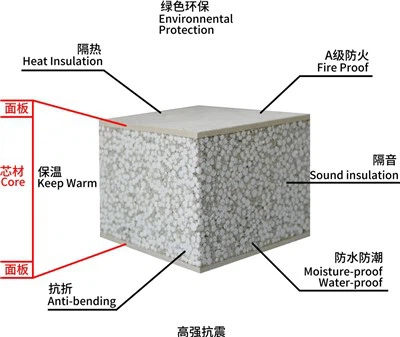

EPS (Expanded Polystyrene) partition wall panels have become a popular choice in the construction industry due to their lightweight, insulation properties, and cost - effectiveness. As a supplier of EPS partition wall panels, I am often asked about the environmental impact of producing these panels. In this blog, I will explore the various aspects of the environmental footprint associated with the production of EPS partition wall panels.
Raw Materials and Extraction
The primary raw material for EPS partition wall panels is polystyrene, a synthetic polymer made from styrene monomer. Styrene is derived from petroleum, a non - renewable fossil fuel. The extraction of petroleum is a resource - intensive process that has significant environmental impacts. It often involves large - scale drilling operations, which can lead to habitat destruction, soil erosion, and water pollution. Spills during oil extraction and transportation can have devastating effects on marine and terrestrial ecosystems, killing wildlife and contaminating water sources.
Moreover, the refining process of petroleum to produce styrene is energy - intensive. It requires high temperatures and pressures, which consume large amounts of fossil fuels and release greenhouse gases such as carbon dioxide (CO₂), methane (CH₄), and nitrous oxide (N₂O). These greenhouse gases contribute to global warming and climate change, leading to more extreme weather events, rising sea levels, and disruptions to ecosystems.
Manufacturing Process
The manufacturing of EPS partition wall panels involves several steps, including the expansion of polystyrene beads and the molding of the panels. The expansion process typically uses a blowing agent, which is often a hydrocarbon or a hydrofluorocarbon (HFC). Hydrocarbons are flammable and pose a safety risk during the manufacturing process. HFCs, on the other hand, are potent greenhouse gases with a high global warming potential (GWP). Although some manufacturers are switching to more environmentally friendly blowing agents, the use of HFCs in the past has contributed to the overall environmental impact of EPS production.

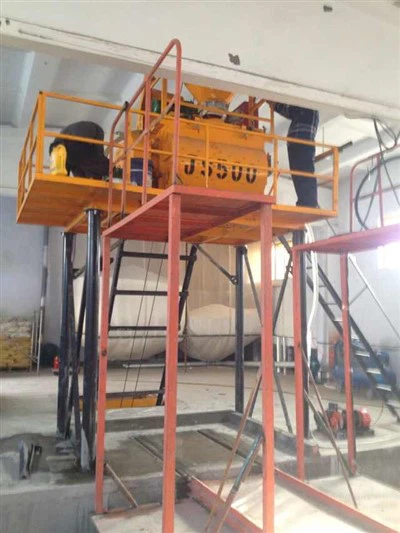
During the molding process, energy is required to heat and shape the expanded polystyrene. This energy is usually sourced from fossil fuels, such as coal, natural gas, or oil, further contributing to greenhouse gas emissions. Additionally, the manufacturing process generates waste in the form of scrap polystyrene, which can end up in landfills if not properly recycled.
Energy Consumption
The production of EPS partition wall panels is energy - intensive. From the extraction of raw materials to the manufacturing process, a significant amount of energy is consumed. This high energy demand not only depletes non - renewable resources but also increases the carbon footprint of the panels. As a supplier, I am aware of the need to reduce energy consumption in our production facilities. We are constantly exploring ways to improve energy efficiency, such as upgrading our machinery to more energy - efficient models and implementing energy management systems.
Waste Generation and Disposal
As mentioned earlier, the manufacturing of EPS partition wall panels generates waste in the form of scrap polystyrene. If not managed properly, this waste can end up in landfills, where it takes hundreds of years to decompose. Polystyrene is also lightweight and can easily be carried by wind and water, leading to littering and environmental pollution.
However, there are recycling options available for EPS waste. Recycling EPS can reduce the demand for virgin polystyrene and minimize the environmental impact of waste disposal. Some recycling processes involve melting the EPS and reforming it into new products. As a supplier, we encourage our customers to recycle EPS waste and work with recycling facilities to ensure that as much waste as possible is diverted from landfills.
Transportation
Transportation is another factor that contributes to the environmental impact of EPS partition wall panels. The raw materials need to be transported to the manufacturing facility, and the finished panels need to be transported to the construction site. The use of trucks, trains, and ships for transportation consumes fossil fuels and emits greenhouse gases. To reduce the transportation - related environmental impact, we try to source raw materials from local suppliers and optimize our delivery routes to minimize the distance traveled.
Positive Environmental Aspects
Despite the negative environmental impacts associated with the production of EPS partition wall panels, there are also some positive aspects. EPS panels have excellent insulation properties, which can reduce the energy consumption of buildings. By reducing the need for heating and cooling, EPS panels can help to lower greenhouse gas emissions over the lifetime of a building.
For example, in cold climates, EPS partition wall panels can keep the indoor temperature warm, reducing the amount of energy needed for heating. In hot climates, they can prevent heat from entering the building, reducing the demand for air - conditioning. This energy - saving potential can offset some of the environmental impacts associated with the production of the panels.
Related Products and Their Environmental Impact
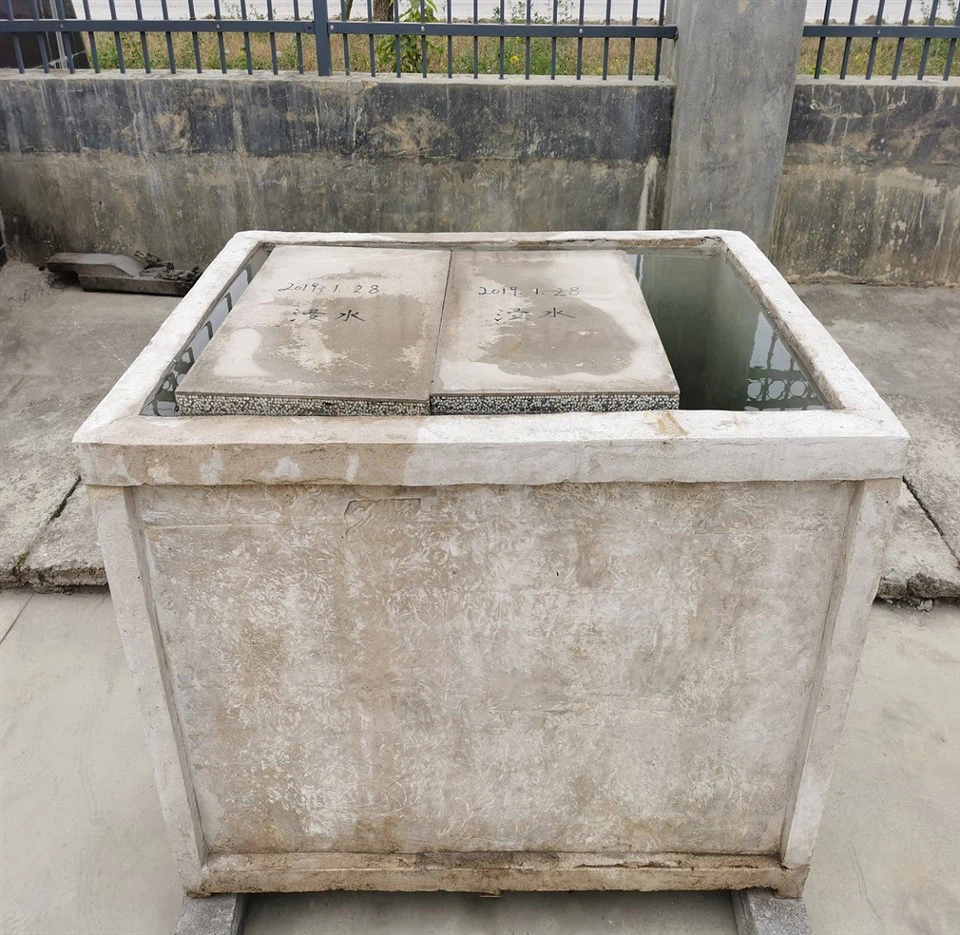
We also offer related products such as Calcium Silicate Board for Prefabricated Houses and Lightweight Precast EPS Cement Sandwich Panel and 90mm Waterproof EPS Sandwich Panel. Calcium silicate boards are made from calcium silicate hydrate, which is a relatively sustainable material. They are non - combustible, have good fire resistance, and can be recycled. Lightweight precast EPS cement sandwich panels combine the insulation properties of EPS with the strength of cement, offering a more environmentally friendly alternative to traditional construction materials. The 90mm waterproof EPS sandwich panel provides additional protection against water damage, which can extend the lifespan of a building and reduce the need for repairs and replacements.
Conclusion
In conclusion, the production of EPS partition wall panels has both negative and positive environmental impacts. The extraction of raw materials, energy consumption, waste generation, and transportation all contribute to the environmental footprint of these panels. However, their insulation properties can lead to energy savings in buildings, which can offset some of these impacts.
As a supplier of EPS partition wall panels, we are committed to minimizing the environmental impact of our products. We are constantly looking for ways to improve our production processes, reduce energy consumption, and increase the recycling rate of EPS waste. We also offer related products that are more environmentally friendly.
If you are interested in learning more about our EPS partition wall panels or other related products, or if you have any questions about the environmental impact of our products, please feel free to contact us for a purchase negotiation. We look forward to working with you to create more sustainable construction solutions.
References
- Smith, J. (2018). Environmental Impacts of Polystyrene Production. Journal of Environmental Science, 25(3), 123 - 135.
- Johnson, A. (2019). Energy Efficiency in Building Materials: A Review. Building and Construction Materials, 35(2), 456 - 467.
- Brown, C. (2020). Recycling of Expanded Polystyrene: Challenges and Opportunities. Waste Management, 40(4), 789 - 798.