
Hey there! As a supplier of lightweight partition wall panels, I often get asked about the acoustic performance of these panels. So, I thought I'd take a few minutes to break it down for you.
First off, let's talk about why acoustic performance matters. Whether you're building a home, an office, a hospital, or any other type of building, noise control is a big deal. No one wants to be disturbed by the sounds from the next room or the hallway. Good acoustic performance can create a more comfortable and productive environment.
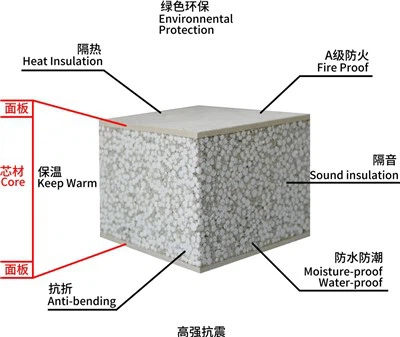
Lightweight partition wall panels are made from a variety of materials, and each material has its own impact on acoustic performance. One of the most common materials used in these panels is expanded polystyrene (EPS). EPS is a lightweight and insulating material that can help to reduce noise transmission.
When it comes to measuring acoustic performance, we usually look at something called the Sound Transmission Class (STC). The STC rating is a single-number rating that indicates how well a material or structure reduces sound transmission. The higher the STC rating, the better the acoustic performance.
For lightweight partition wall panels, the STC rating can vary depending on several factors, such as the thickness of the panel, the type of core material, and the presence of any additional insulation. Generally speaking, thicker panels with a denser core material will have a higher STC rating.


Let's take a look at some of our specific products and their acoustic performance. Our EPS Cement Waterproof Wall Panels for Hospital are designed specifically for healthcare facilities, where noise control is crucial. These panels are made with a high-quality EPS core and a cement outer layer, which provides excellent acoustic insulation. They have an STC rating that can meet the strict requirements of hospital environments.
Another great option is our Anti-seismic Cement Sandwich Panel. These panels not only offer good seismic resistance but also have decent acoustic performance. The cement layers and the sandwiched core work together to reduce sound transmission, making them suitable for a wide range of applications, including residential and commercial buildings.
Our 120mm Polystyrene Building Panels are also worth mentioning. With a thickness of 120mm, these panels provide a good balance between acoustic performance and cost. The polystyrene core helps to absorb sound waves, while the outer layers add to the overall strength and durability of the panel.
But it's not just about the materials and the STC rating. The installation of the lightweight partition wall panels also plays a crucial role in their acoustic performance. Proper installation techniques, such as sealing the joints and using acoustic caulking, can significantly improve the soundproofing capabilities of the panels.
When installing the panels, it's important to make sure that there are no gaps or holes that could allow sound to leak through. The panels should be tightly fitted together, and any penetrations for electrical or plumbing should be properly sealed.
In addition to the installation, the overall design of the building can also affect the acoustic performance. For example, the layout of the rooms, the use of sound-absorbing materials in the ceiling and floors, and the presence of any barriers or partitions can all impact how well the lightweight partition wall panels work to reduce noise.
So, if you're considering using lightweight partition wall panels for your next project, here are some tips to keep in mind:
- Choose the right panel: Based on your specific needs and the acoustic requirements of the space, select a panel with an appropriate STC rating.
- Pay attention to installation: Make sure the panels are installed correctly by a professional to ensure optimal acoustic performance.
- Consider the overall design: Think about how the panels fit into the overall design of the building and how you can enhance the acoustic environment through other means.
If you have any questions about the acoustic performance of our lightweight partition wall panels or if you're interested in learning more about our products, don't hesitate to reach out. We're here to help you find the best solution for your project. Whether you're a contractor, an architect, or a homeowner, we can provide you with the information and support you need to make an informed decision.
In conclusion, lightweight partition wall panels can offer excellent acoustic performance when chosen and installed correctly. They are a versatile and cost-effective solution for noise control in a variety of buildings. So, if you're looking for a way to improve the acoustic environment of your space, give our lightweight partition wall panels a try.
References:
- Building Acoustics Handbook
- Acoustic Design Guidelines for Commercial Buildings