
Hey there! As a supplier of Fiber Cement Board Equipment, I often get asked about the acoustic insulation performance of products made by our equipment. So, I thought I'd take a moment to share some insights with you all.
First off, let's understand what fiber cement boards are. These boards are made by combining cement, cellulose fibers, and other additives. The unique composition gives them a range of properties, and acoustic insulation is one of the key ones.
How Fiber Cement Boards Achieve Acoustic Insulation
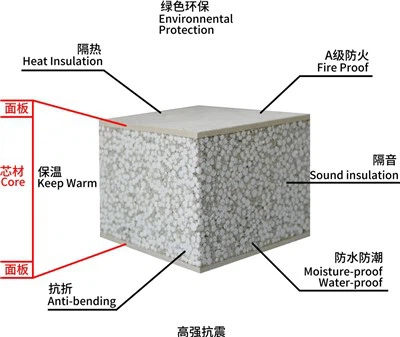
The acoustic insulation of fiber cement boards mainly comes from their internal structure. The cellulose fibers in the boards create a porous structure. When sound waves hit the board, these pores act like little traps. The sound waves enter the pores and bounce around inside, losing energy in the process. This energy loss results in a reduction of the sound that passes through the board, thus providing acoustic insulation.
Another factor is the density of the fiber cement boards. Our equipment can produce boards with different densities. Generally, higher - density boards tend to have better acoustic insulation performance. This is because the denser material provides more resistance to the passage of sound waves. The molecules in a denser board are closer together, making it harder for sound waves to travel through them.
Real - World Applications and Acoustic Benefits
Fiber cement boards made by our equipment are used in a variety of applications, and the acoustic insulation plays a crucial role in each of them.


In residential buildings, these boards can be used for interior wall partitions. Imagine having a noisy teenager in one room and a baby sleeping in the next. By using fiber cement boards for the partition wall, you can significantly reduce the amount of sound that travels between the rooms. This creates a more peaceful and comfortable living environment for everyone in the house.
In commercial buildings like offices, fiber cement boards can be installed in ceilings and walls. Open - plan offices can be quite noisy, with the constant chatter of employees and the hum of office equipment. Installing fiber cement boards can help to absorb and reduce this noise, improving the overall acoustics of the workspace. This can lead to increased productivity as employees are less distracted by the noise around them.
Comparing with Other Materials
When it comes to acoustic insulation, how do fiber cement boards stack up against other common building materials?
Let's take a look at drywall. Drywall is a popular choice for interior walls, but it doesn't offer the same level of acoustic insulation as fiber cement boards. Drywall is relatively thin and has a less dense structure. As a result, it allows more sound to pass through compared to fiber cement boards.
Brick walls, on the other hand, are very heavy and dense, which gives them good acoustic insulation properties. However, they are much more expensive and time - consuming to install compared to fiber cement boards. Our fiber cement boards offer a cost - effective and efficient alternative with decent acoustic insulation performance.
The Role of Our Fiber Cement Board Equipment
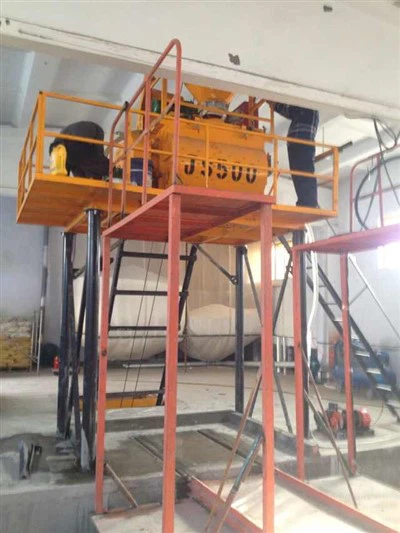
Our Fiber Cement Board Equipment is designed to produce high - quality boards with excellent acoustic insulation properties. We use advanced manufacturing techniques to ensure that the boards have the right balance of density and porosity.
The equipment allows us to control the amount of cellulose fibers and other additives in the mixture. This precise control enables us to optimize the internal structure of the boards for better acoustic performance. We also have quality control measures in place to ensure that every board that comes out of our equipment meets the highest standards of acoustic insulation.
Related Products and Their Acoustic Potential
In addition to fiber cement boards, we also offer other related products that can contribute to better acoustic insulation in buildings. For example, the EPS Cement Wall Panel Making Machine can produce EPS cement wall panels. These panels combine the lightweight properties of EPS (Expanded Polystyrene) with the strength of cement. The EPS core in the panels can also help to absorb sound, enhancing the overall acoustic insulation of the building.
The EPS Sandwich Panel Production Line and EPS Sandwich Panel Machine are used to produce EPS sandwich panels. These panels have a layer of EPS foam sandwiched between two layers of other materials. The EPS foam acts as a sound - absorbing layer, reducing the transmission of sound through the panels.
Measuring Acoustic Insulation Performance
There are several ways to measure the acoustic insulation performance of fiber cement boards. One common method is to use the Sound Transmission Class (STC) rating. The STC rating is a single - number index that describes how well a material or assembly reduces sound transmission. A higher STC rating means better acoustic insulation.
Our fiber cement boards typically have an STC rating that is quite competitive in the market. This means that they can effectively reduce the amount of sound that passes through them, whether it's from speech, music, or other sources.
Factors Affecting Acoustic Insulation in Installation
It's important to note that the acoustic insulation performance of fiber cement boards can also be affected by the installation process. If the boards are not installed properly, there may be gaps or joints that allow sound to leak through.
For example, when installing fiber cement boards on a wall, it's crucial to seal all the joints properly. Using a high - quality sealant can help to prevent sound from escaping through the gaps between the boards. Also, the way the boards are attached to the wall or ceiling can impact their acoustic performance. Using the right fasteners and ensuring a tight fit can enhance the overall acoustic insulation.
Conclusion and Call to Action
In conclusion, products made by our Fiber Cement Board Equipment offer excellent acoustic insulation performance. Their unique composition, combined with the advanced manufacturing techniques used by our equipment, results in boards that can effectively reduce sound transmission in various applications.
Whether you're building a new home, renovating an office, or working on any other construction project, our fiber cement boards and related products can be a great choice for improving the acoustics of your space. And with our additional products like the EPS cement wall panels and EPS sandwich panels, you have even more options to enhance the acoustic insulation of your building.
If you're interested in learning more about our products or have any questions about their acoustic insulation performance, don't hesitate to get in touch. We're here to help you make the right choice for your project.
References
- Building Acoustics Handbook, Second Edition.
- Acoustics for Engineers: Noise Control and Sound Design.