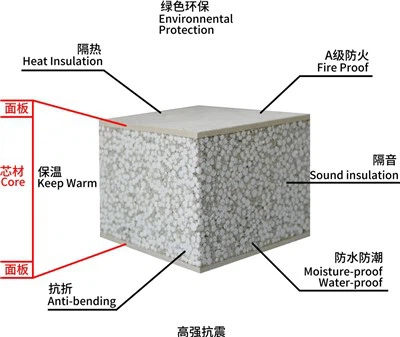

Hey there! As a supplier of fiber cement sandwich panels, I've seen firsthand how crucial proper storage is. These panels are versatile and widely used in construction, but if not stored correctly, their quality can take a nosedive. So, let's dive into how to store fiber cement sandwich panels properly.
1. Choose the Right Location
First things first, you need to pick the right spot to store your panels. A dry and well - ventilated area is a must. Moisture is the enemy of fiber cement sandwich panels. If they get wet, they can start to warp, delaminate, or develop mold.
An indoor storage facility is ideal. A warehouse with a concrete floor is great because it's stable and less likely to hold moisture. If you don't have an indoor option, a covered outdoor area can work, but make sure it's protected from direct rain and snow. The panels should be placed on pallets to keep them off the ground. This helps prevent moisture from seeping up from the floor.
2. Stacking the Panels
When it comes to stacking the panels, you've got to be careful. Stack them in a way that's stable and won't cause any damage. The panels should be stacked flat and level. If they're stacked unevenly, they can bend or crack under the weight of the panels on top.
Don't stack them too high. A good rule of thumb is to keep the stack height within a reasonable limit, usually no more than a few meters. This reduces the risk of the stack toppling over. Also, make sure the edges of the panels are aligned properly. Misaligned panels can put extra stress on the edges, leading to breakage.
3. Protecting from Physical Damage
Fiber cement sandwich panels can be damaged easily if they're not protected from physical impacts. During storage, keep them away from heavy machinery, forklifts, or any other equipment that could accidentally hit them.
You can use protective barriers around the stacks. For example, you can place wooden boards or foam padding on the sides of the stack to absorb any minor impacts. If you're storing the panels near a busy area, you might even consider using a safety net to prevent any flying debris from hitting them.
4. Temperature and Humidity Control
Temperature and humidity play a big role in the storage of fiber cement sandwich panels. Extreme temperatures can cause the panels to expand or contract, which can lead to cracks. High humidity can also cause moisture - related problems.
If you're storing the panels indoors, try to maintain a relatively stable temperature and humidity level. A temperature between 10 - 30 degrees Celsius and a humidity level of around 40 - 60% is ideal. You can use dehumidifiers or air - conditioning units to control these factors.


5. Organization and Labeling
It's a good idea to keep your storage area organized. Label the stacks clearly with information like the panel type, size, and date of arrival. This makes it easier to find the panels you need when it's time for installation.
You can also create a storage plan. For example, group the panels by project or by the date they're expected to be used. This helps in managing the inventory and ensures that the oldest panels are used first.
6. Special Considerations for Different Panel Types
We offer different types of fiber cement sandwich panels, such as the EPS Cement Concrete Sandwich Panel, Foam Concrete Cement Sandwich Panel, and Fireproof Foamed EPS Sandwich Panel. Each type may have slightly different storage requirements.
For example, panels with a foam core, like the EPS panels, may be more sensitive to sharp objects. So, when storing them, make sure there are no sharp edges or protrusions in the storage area that could puncture the foam.
Fireproof panels should be stored away from potential fire hazards. Keep them in a non - flammable area and make sure there are proper fire - prevention measures in place, such as fire extinguishers nearby.
7. Regular Inspections
Don't just store the panels and forget about them. Regular inspections are essential. Check the panels for any signs of damage, such as cracks, warping, or moisture damage. If you notice any issues, take action immediately.
Inspect the storage area as well. Look for signs of water leaks, pest infestations, or any other problems that could affect the panels. By catching these issues early, you can prevent further damage and ensure that the panels are in good condition when it's time to use them.
8. Handling During Storage
If you need to move the panels during storage, do it carefully. Use proper handling equipment, such as forklifts with the right attachments or lifting straps. Make sure the operators are trained to handle the panels correctly.
When lifting the panels, distribute the weight evenly. Avoid lifting them from just one corner or edge, as this can cause the panel to bend or break.
Why Proper Storage Matters
Proper storage of fiber cement sandwich panels is not just about keeping them in good condition. It also affects the overall quality of your construction project. If the panels are damaged during storage, it can lead to delays, additional costs, and a lower - quality finished product.
By following these storage guidelines, you can ensure that the panels you receive from us are in top - notch condition. This means a smoother installation process and a better - looking, more durable building.
Contact Us for Your Panel Needs
If you're in the market for high - quality fiber cement sandwich panels, look no further. We're here to provide you with the best products and advice on how to handle and store them. Whether you're working on a small residential project or a large commercial building, we've got the panels to meet your needs. Reach out to us to start the procurement process and let's build something great together!
References
- Building Materials Handbook: A guide to understanding the properties and storage requirements of various construction materials.
- Industry best practices for fiber cement sandwich panel storage from leading construction associations.