
EPS (Expanded Polystyrene) wall panels have gained significant popularity in the construction industry due to their lightweight, cost - effectiveness, and ease of installation. As a supplier of 120mm EPS wall panels, I understand the importance of enhancing their insulation performance. In this blog, I will share some effective strategies to improve the insulation capabilities of these panels.
Understanding the Basics of EPS Insulation
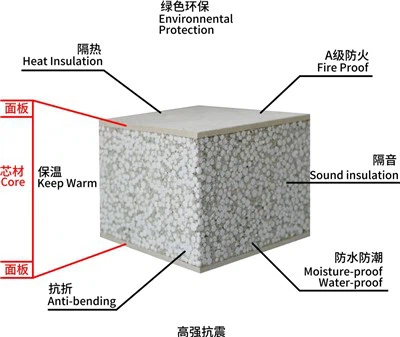
Before delving into the improvement methods, it's crucial to understand how EPS provides insulation. EPS is a rigid foam plastic made from expanded polystyrene beads. The closed - cell structure of EPS traps air within the cells, and air is a poor conductor of heat. This property allows EPS to resist the transfer of heat, making it an excellent insulating material.
The R - value is a common metric used to measure the thermal resistance of insulation materials. A higher R - value indicates better insulation performance. For 120mm EPS wall panels, the R - value typically depends on the density and quality of the EPS material. Generally, a well - made 120mm EPS panel has a decent R - value, but there are ways to enhance it further.
Optimizing the Manufacturing Process
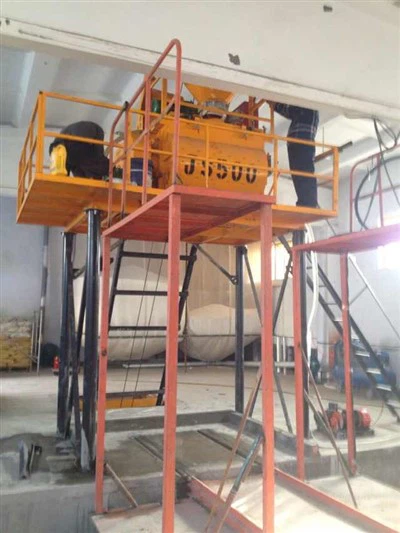
The first step in improving insulation performance starts at the manufacturing stage. Quality control during production is essential. We ensure that the EPS beads are evenly expanded and fused together. Any voids or inconsistencies in the panel can reduce its insulation effectiveness. By using advanced manufacturing techniques, we can produce panels with a more uniform cell structure.


Another aspect is the density of the EPS. Increasing the density of the EPS within the 120mm panel can improve its insulation. However, this needs to be balanced with cost and weight considerations. A slightly higher - density EPS will have smaller cells, which trap air more effectively and thus enhance thermal resistance.
Adding Insulating Layers
One effective way to boost the insulation of 120mm EPS wall panels is by adding additional insulating layers. For example, we can laminate a layer of reflective foil on one or both sides of the panel. Reflective foil works by reflecting radiant heat, reducing the amount of heat that can pass through the panel. This is especially useful in hot climates where radiant heat from the sun is a major factor.
Another option is to incorporate a layer of aerogel insulation. Aerogel is an extremely lightweight and highly insulating material. It has a very low thermal conductivity, and adding a thin layer of aerogel to the EPS panel can significantly increase its R - value. Although aerogel is relatively expensive, the long - term energy savings justify the initial investment.
Sealing and Installation
Proper sealing and installation are crucial for maximizing the insulation performance of 120mm EPS wall panels. Any gaps or cracks around the panels can allow air leakage, which greatly reduces the insulation effectiveness. During installation, we recommend using high - quality sealants around the edges of the panels. This creates an air - tight barrier, preventing heat transfer through convection.
It's also important to ensure that the panels are installed tightly against each other. A proper fit between panels minimizes thermal bridging, which occurs when heat can bypass the insulation through a more conductive path. Using insulation tape at the joints can further enhance the air - tightness of the installation.
Incorporating Phase - Change Materials (PCMs)
Phase - change materials are substances that can absorb and release large amounts of energy during the process of changing from one phase to another (e.g., from solid to liquid). By incorporating PCMs into the 120mm EPS wall panels, we can improve their thermal regulation capabilities.
PCMs can store heat energy during the day when the temperature is high and release it at night when the temperature drops. This helps to maintain a more stable indoor temperature, reducing the need for excessive heating or cooling. There are different types of PCMs available, and the choice depends on the specific climate and application requirements.
Comparing with Other Panel Options
While we focus on 120mm EPS wall panels, it's worth comparing them with other panel options in the market. For instance, the Fireproof Partition Wall Panel offers not only insulation but also fire - resistant properties. This can be a great choice for commercial buildings or areas where fire safety is a concern.
The Waterproof EPS Sandwich Panel is designed to resist water penetration. In areas with high humidity or where there is a risk of water exposure, this type of panel can be a better option.
The 90mm EPS Concrete Sandwich Board combines the insulation properties of EPS with the strength of concrete. It may be suitable for applications where structural integrity is also a priority.
Benefits of Improved Insulation
Enhancing the insulation performance of 120mm EPS wall panels brings several benefits. Firstly, it significantly reduces energy consumption. Buildings with well - insulated walls require less heating in winter and less cooling in summer, leading to lower energy bills for the occupants.
Secondly, it improves indoor comfort. By maintaining a more stable indoor temperature, the occupants will experience fewer temperature fluctuations, creating a more pleasant living or working environment.
Finally, it is environmentally friendly. Reduced energy consumption means less reliance on fossil fuels, which in turn reduces greenhouse gas emissions. This contributes to a more sustainable construction industry.
Conclusion
Improving the insulation performance of 120mm EPS wall panels is a multi - faceted process that involves optimizing manufacturing, adding insulating layers, proper installation, and incorporating advanced materials. As a supplier, we are committed to providing high - quality panels with enhanced insulation capabilities.
If you are interested in our 120mm EPS wall panels or want to discuss further about improving insulation for your construction project, we encourage you to contact us for procurement and negotiation. We have a team of experts who can provide you with detailed information and customized solutions based on your specific needs.
References
- ASHRAE Handbook of Fundamentals. American Society of Heating, Refrigerating and Air - Conditioning Engineers.
- Building Science Corporation. "Insulation and Moisture Control."
- "Thermal Performance of Building Envelopes" by Joseph Lstiburek.