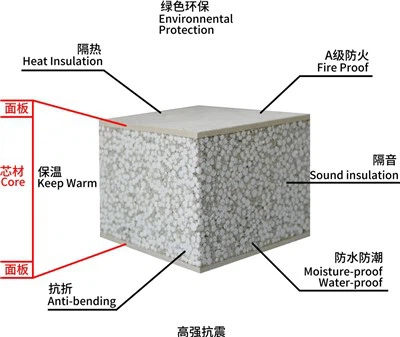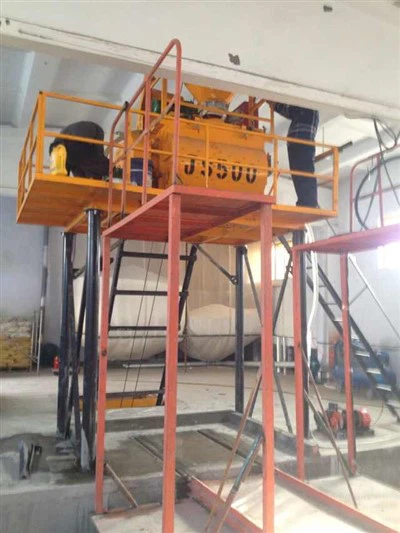

EPS insulation panels, also known as Expanded Polystyrene insulation panels, have gained significant attention in the construction industry in recent years. As a supplier of EPS insulation panels, I have witnessed firsthand the growing interest in these products and their potential to reduce energy consumption. In this blog post, I will explore the question: Can EPS insulation panels reduce energy consumption?
Understanding EPS Insulation Panels
EPS insulation panels are made from expanded polystyrene beads, which are fused together to form a rigid, lightweight, and highly insulating material. These panels are known for their excellent thermal insulation properties, which make them an ideal choice for a variety of applications in the construction industry. EPS insulation panels can be used in walls, roofs, floors, and foundations to reduce heat transfer and improve the energy efficiency of buildings.
How EPS Insulation Panels Reduce Energy Consumption
The primary way that EPS insulation panels reduce energy consumption is by providing a high level of thermal insulation. Thermal insulation is the ability of a material to resist the transfer of heat. When a building is properly insulated with EPS panels, it can prevent heat from escaping during the winter and entering during the summer. This means that less energy is required to heat or cool the building, resulting in lower energy bills and reduced carbon emissions.
Reducing Heat Loss in Winter
In cold climates, heat loss through the building envelope is a major contributor to energy consumption. EPS insulation panels have a low thermal conductivity, which means they can effectively reduce the amount of heat that escapes through the walls, roof, and floor of a building. By creating a thermal barrier, EPS panels help to keep the interior of the building warm, reducing the need for heating systems to work as hard. This not only saves energy but also extends the lifespan of the heating equipment.
Preventing Heat Gain in Summer
During the summer months, the opposite problem occurs. Heat from the sun can penetrate the building envelope, causing the interior to become hot and uncomfortable. EPS insulation panels can help to prevent this heat gain by reflecting and absorbing the sun's rays. This reduces the need for air conditioning systems to cool the building, resulting in significant energy savings.
Energy Savings in Different Applications
EPS insulation panels can be used in a variety of applications to reduce energy consumption. Here are some examples:
Wall Insulation
Insulating the walls of a building with EPS panels is one of the most effective ways to reduce energy consumption. By adding a layer of insulation to the exterior or interior of the walls, the thermal performance of the building can be significantly improved. 180mm Sandwich Panel Wall is a popular choice for wall insulation, as it provides a high level of insulation and structural support.
Roof Insulation
Roof insulation is also crucial for reducing energy consumption, as a large amount of heat can be lost through the roof. EPS insulation panels can be installed on the roof to create a thermal barrier, preventing heat from escaping during the winter and entering during the summer. 100mm EPS Sandwich Panel is a commonly used option for roof insulation, as it is lightweight and easy to install.
Floor Insulation
Insulating the floor can also help to reduce energy consumption, especially in buildings with a basement or crawl space. EPS insulation panels can be installed under the floor to prevent heat from escaping through the ground. This can make the interior of the building more comfortable and reduce the need for heating.
Precast Panels
Lightweight Precast EPS Cement Sandwich Panel is another innovative application of EPS insulation. These panels are prefabricated off-site and can be quickly installed on the construction site. They provide excellent thermal insulation, as well as structural strength and durability.
Case Studies and Research Findings
Numerous case studies and research findings have demonstrated the effectiveness of EPS insulation panels in reducing energy consumption. For example, a study conducted by the Building Research Establishment (BRE) found that the use of EPS insulation in a typical UK house could reduce heating energy consumption by up to 30%. Another study in the United States showed that EPS insulation in commercial buildings could result in energy savings of up to 40%.
These findings are supported by real-world examples. Many buildings that have been insulated with EPS panels have reported significant reductions in energy bills and improved comfort levels. For instance, a residential building in a cold climate that was retrofitted with EPS wall insulation saw a 25% reduction in heating costs during the first winter after installation.


Other Benefits of EPS Insulation Panels
In addition to reducing energy consumption, EPS insulation panels offer several other benefits:
Lightweight and Easy to Install
EPS insulation panels are lightweight, which makes them easy to handle and install. This can reduce labor costs and construction time, especially in large-scale projects.
Cost-Effective
EPS insulation panels are relatively inexpensive compared to other insulation materials. They offer a high level of insulation at a low cost, making them a cost-effective solution for energy efficiency.
Durable and Long-Lasting
EPS insulation panels are durable and can last for many years. They are resistant to moisture, mold, and pests, which helps to maintain their insulation performance over time.
Environmentally Friendly
EPS insulation panels are made from recyclable materials and can be recycled at the end of their lifespan. They also help to reduce carbon emissions by reducing energy consumption, making them a more sustainable choice for the environment.
Conclusion
In conclusion, EPS insulation panels can significantly reduce energy consumption in buildings. Their excellent thermal insulation properties, combined with their lightweight, cost-effective, and durable nature, make them an ideal choice for a variety of applications. Whether you are building a new home or renovating an existing one, consider using EPS insulation panels to improve the energy efficiency of your building.
If you are interested in learning more about our EPS insulation panels or would like to discuss your specific project requirements, please feel free to contact us. Our team of experts is ready to assist you in finding the best insulation solution for your needs.
References
- Building Research Establishment (BRE). "Energy Efficiency of Buildings with EPS Insulation."
- American Society of Heating, Refrigerating and Air-Conditioning Engineers (ASHRAE). "Guidelines for Energy-Efficient Insulation in Buildings."
- International Energy Agency (IEA). "Energy Efficiency in the Building Sector."