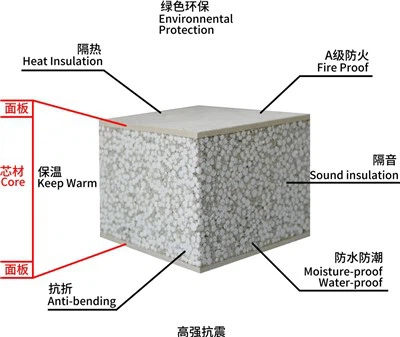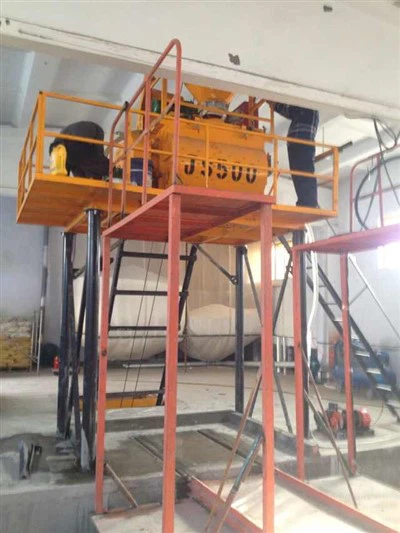

As a supplier of exterior wall sandwich panels, ensuring the safety of these panels during installation is of utmost importance. Not only does it protect the installers and the building occupants, but it also guarantees the long - term performance and durability of the panels. In this blog, I will share some key strategies to ensure the safety of exterior wall sandwich panels during installation.
1. Pre - installation Safety Checks
Before the actual installation process begins, a series of safety checks should be carried out.
Site Inspection
The installation site needs to be thoroughly inspected. Look for any potential hazards such as uneven ground, loose debris, or existing structural damage. Uneven ground can cause instability during the installation of the panels, leading to misalignment or even collapse. Remove all loose debris, as it can cause tripping hazards for the installers. If there is any existing structural damage to the building where the panels will be installed, it should be repaired before proceeding. For example, if the wall foundation has cracks, these should be fixed to ensure a stable base for the sandwich panels.
Panel Quality Inspection
As a supplier, we take great pride in the quality of our products. However, it is still essential to conduct a final inspection of the exterior wall sandwich panels before installation. Check for any visible damage such as cracks, dents, or delamination. Cracks in the panels can compromise their structural integrity, while delamination can reduce their insulation and waterproofing properties. Panels with significant damage should not be installed and should be replaced immediately.
Equipment Inspection
All the installation equipment, such as cranes, scaffolding, and power tools, must be inspected. Cranes should be checked for proper functioning of their lifting mechanisms, brakes, and cables. Scaffolding should be assembled correctly, with all connections tightened and platforms stable. Power tools should be in good working condition, with no frayed cords or malfunctioning switches. Faulty equipment can lead to serious accidents during installation.
2. Personal Protective Equipment (PPE)
Proper use of personal protective equipment is crucial for the safety of installers.


Head Protection
Installers should wear hard hats at all times on the installation site. Hard hats protect against falling objects, such as tools or small pieces of the panels. They are designed to absorb the impact energy and reduce the risk of head injuries.
Eye and Face Protection
Safety goggles or face shields should be worn when cutting, drilling, or handling the exterior wall sandwich panels. These protect the eyes and face from flying debris, dust, and chemicals. For example, when cutting the panels, small particles can be generated, which can cause eye irritation or even serious eye damage if they enter the eyes.
Hand Protection
Heavy - duty gloves should be used to protect the hands from cuts, abrasions, and chemical exposure. When handling the panels, the edges can be sharp, and there may also be chemicals on the surface. Gloves provide a barrier between the hands and potential hazards.
Foot Protection
Steel - toed boots are a must for installers. They protect the feet from falling objects and punctures. On an installation site, there may be nails, sharp objects, or heavy equipment that could accidentally land on the feet. Steel - toed boots can prevent serious foot injuries.
3. Installation Process Safety
The actual installation process also requires strict safety measures.
Panel Lifting and Placement
When using cranes or other lifting equipment to move the exterior wall sandwich panels, proper lifting techniques should be followed. The panels should be lifted from the designated lifting points to ensure balanced and stable lifting. The lifting speed should be slow and steady to avoid sudden movements that could cause the panels to swing or fall. When placing the panels on the wall, they should be aligned accurately. Installers should use appropriate tools to adjust the position of the panels, rather than using their hands to push or pull heavy panels, which can lead to muscle strains or other injuries.
Connection and Fixing
The connection and fixing of the exterior wall sandwich panels are critical for their safety and stability. Use high - quality fasteners and follow the manufacturer's instructions for installation. For example, screws or bolts should be tightened to the correct torque. Over - tightening or under - tightening can affect the performance of the connection. In addition, the connection points should be properly sealed to prevent water penetration, which can cause corrosion and damage to the panels over time.
Fire Safety
Exterior wall sandwich panels may be flammable, especially those made with certain insulation materials. During installation, fire safety measures should be in place. Keep a fire extinguisher nearby, and ensure that there are no open flames or sources of ignition in the vicinity. If welding or other hot work needs to be done, proper fire prevention measures, such as using fire blankets and having a fire watch, should be implemented.
4. Post - installation Safety Checks
After the installation is completed, a final safety check is necessary.
Structural Integrity Check
Inspect the installed exterior wall sandwich panels to ensure that they are properly connected and stable. Check for any signs of movement or misalignment. If there are any issues, they should be addressed immediately. For example, if a panel is found to be loose, the connection should be tightened or reinforced.
Waterproofing and Insulation Check
Verify that the waterproofing and insulation properties of the panels are intact. Check for any signs of water leakage around the joints and edges of the panels. Water leakage can cause damage to the interior of the building and reduce the lifespan of the panels. Also, ensure that the insulation performance meets the design requirements.
Clean - up
Remove all the installation debris and equipment from the site. This not only keeps the site clean but also eliminates potential tripping and fire hazards.
Product Introduction
As a supplier, we offer a wide range of high - quality exterior wall sandwich panels, such as the Anti - seismic Cement Sandwich Panel, EPS Cement Sandwich Insolation Board, and EPS Partition Wall Panel. These products are designed to meet different construction needs and are manufactured with strict quality control to ensure safety and performance.
Conclusion
Ensuring the safety of exterior wall sandwich panels during installation is a comprehensive process that involves pre - installation checks, proper use of PPE, safe installation procedures, and post - installation inspections. By following these strategies, we can minimize the risks and ensure a safe and successful installation. If you are interested in our exterior wall sandwich panels or have any questions about installation safety, please feel free to contact us for more information and to discuss your procurement needs.
References
- Building Construction Safety Codes and Standards
- Manufacturer's Installation Manuals for Exterior Wall Sandwich Panels
- Safety Guidelines for Construction Equipment and Tools