
Embarking on a construction project demands meticulous planning, and one of the pivotal decisions is choosing the right EPS insulation panels. As a seasoned EPS Insulation Panels supplier, I understand the complexities and nuances involved in this selection process. In this blog, I'll share valuable insights and practical tips to help you make an informed choice for your project.
Understanding EPS Insulation Panels
EPS, or Expanded Polystyrene, is a lightweight and rigid foam material widely used for insulation in the construction industry. EPS insulation panels are created by expanding polystyrene beads with steam and then molding them into panels of various sizes and thicknesses. These panels offer excellent thermal insulation properties, making them an ideal choice for reducing energy consumption and maintaining a comfortable indoor environment.
One of the key advantages of EPS insulation panels is their high thermal resistance, often measured by the R-value. The higher the R-value, the better the insulation performance. EPS panels typically have a high R-value per inch of thickness, providing effective insulation against heat transfer. Additionally, EPS is moisture-resistant, which helps prevent mold growth and structural damage caused by water infiltration.
Factors to Consider When Choosing EPS Insulation Panels
Thermal Performance
The primary function of insulation panels is to reduce heat transfer, so thermal performance is a crucial factor to consider. Look for panels with a high R-value, which indicates better insulation. The required R-value for your project will depend on several factors, including the climate zone, building design, and intended use of the space. Consult local building codes and energy efficiency standards to determine the appropriate R-value for your location.
Panel Thickness
Panel thickness directly affects the thermal performance of EPS insulation panels. Thicker panels generally offer higher R-values, but they may also be more expensive and require additional space for installation. Consider the available space in your project and balance the need for insulation with the practicalities of installation.
Density
The density of EPS insulation panels can vary, and it plays a role in both the panel's strength and thermal performance. Higher density panels are typically stronger and more resistant to damage, making them suitable for applications where the panels may be subjected to impact or pressure. However, higher density panels may also have a lower R-value per unit of thickness compared to lower density panels.
Fire Resistance
Fire safety is a critical consideration in any construction project. EPS insulation panels can be treated with fire retardants to improve their fire resistance. Look for panels that meet relevant fire safety standards and regulations, such as ASTM E84 or UL 723, which measure the surface burning characteristics of building materials.
Moisture Resistance
Moisture can significantly reduce the effectiveness of insulation and cause damage to the building structure. EPS insulation panels are naturally moisture-resistant, but it's still important to ensure that they are properly installed and protected from water exposure. Consider using panels with a vapor barrier or moisture-resistant coating for applications in high-humidity areas or where water infiltration is a concern.
Installation Requirements
The ease of installation can impact the overall cost and timeline of your project. Look for EPS insulation panels that are lightweight and easy to handle, as this can reduce labor costs and installation time. Additionally, consider the compatibility of the panels with other building materials and systems, such as framing, roofing, and siding.
Types of EPS Insulation Panels
Standard EPS Panels
Standard EPS panels are the most commonly used type of EPS insulation. They offer a good balance of thermal performance, cost, and ease of installation. These panels are suitable for a wide range of applications, including walls, roofs, and floors.
Graphite EPS Panels
Graphite EPS panels are a newer type of EPS insulation that incorporates graphite particles into the foam structure. This addition enhances the panel's thermal performance by reducing thermal radiation, resulting in a higher R-value compared to standard EPS panels. Graphite EPS panels are often used in applications where maximum energy efficiency is required, such as in high-performance buildings or in cold climates.


Sandwich Panels
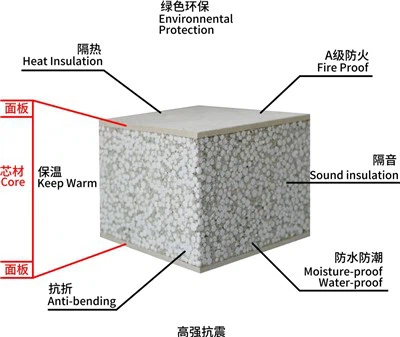
Foam Concrete Cement Sandwich Panel and Anti-seismic Cement Sandwich Panel are examples of EPS sandwich panels. These panels consist of an EPS core sandwiched between two outer layers of other materials, such as concrete, metal, or cement. Sandwich panels offer several advantages, including improved structural integrity, faster installation, and enhanced insulation performance.
Exterior Wall Boards
Calcium Silicate Exterior Wall Board is a type of EPS insulation panel specifically designed for exterior wall applications. These boards provide a durable and weather-resistant finish while also offering excellent thermal insulation. They are often used in combination with other building materials, such as siding or stucco, to create a complete exterior wall system.
Case Studies
To illustrate the importance of choosing the right EPS insulation panels, let's consider a couple of case studies.
Residential Building in a Cold Climate
A homeowner in a cold climate was looking to upgrade the insulation in their existing home to reduce energy costs and improve comfort. After consulting with our team, they decided to install graphite EPS panels in the walls and roof. The high R-value of the graphite EPS panels helped to significantly reduce heat loss, resulting in lower energy bills and a more comfortable living environment. The lightweight and easy-to-install nature of the panels also made the installation process relatively quick and hassle-free.
Commercial Building in a High-Humidity Area
A commercial building owner in a high-humidity area was constructing a new office building. They were concerned about moisture infiltration and the potential for mold growth. Our team recommended using EPS sandwich panels with a moisture-resistant coating for the exterior walls. The panels provided excellent insulation and structural support while also protecting the building from moisture damage. The project was completed on time and within budget, and the building owner was satisfied with the performance of the insulation panels.
Conclusion
Choosing the right EPS insulation panels for your project is a critical decision that can have a significant impact on the energy efficiency, comfort, and durability of your building. By considering factors such as thermal performance, panel thickness, density, fire resistance, moisture resistance, and installation requirements, you can select the panels that best meet the needs of your project.
As a trusted EPS Insulation Panels supplier, we are committed to providing high-quality products and expert advice to help you make the right choice. If you have any questions or would like to discuss your project in more detail, please feel free to contact us. We look forward to working with you to achieve your construction goals.
References
- ASTM International. (2023). ASTM E84 - 23a: Standard Test Method for Surface Burning Characteristics of Building Materials.
- Underwriters Laboratories. (2023). UL 723 - 2023: Standard for Test for Surface Burning Characteristics of Building Materials.