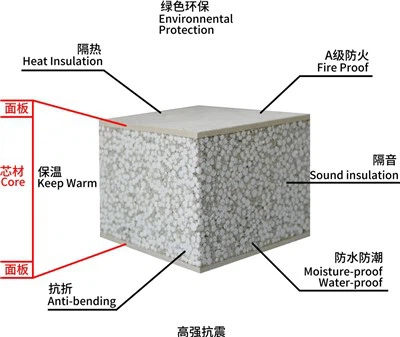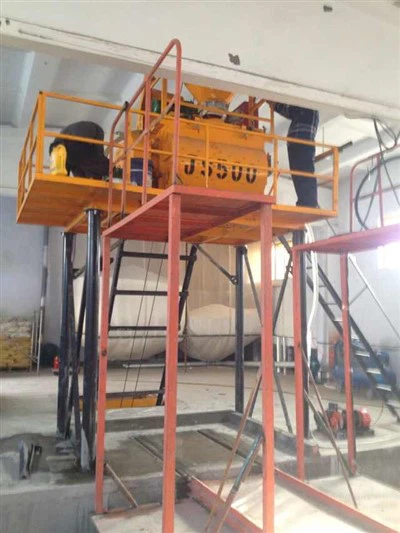

Hey there! As a supplier of EPS Partition Wall Panels, I've gotten tons of questions about how these panels hold up when it comes to chemical resistance. It's a super important topic, especially for those who are looking to use these panels in various environments, from industrial spaces to residential areas. So, let's dive right in and explore how EPS Partition Wall Panels perform in terms of chemical resistance.
First off, let's understand what EPS is. EPS stands for Expanded Polystyrene, which is a lightweight, rigid, and closed-cell foam plastic. It's made from solid beads of polystyrene that are expanded with steam and then molded into different shapes and sizes. EPS is known for its excellent insulation properties, low cost, and ease of installation. But how does it fare against chemicals?
General Chemical Resistance of EPS
EPS has a decent level of chemical resistance against many common substances. It's resistant to water, meaning it won't absorb moisture easily. This is a huge advantage as water can often carry chemicals and cause corrosion or degradation in other materials. For example, in a bathroom or a basement where there's a high level of humidity, EPS Partition Wall Panels can maintain their structural integrity without getting damaged by the water or any chemicals dissolved in it.
When it comes to acids and alkalis, EPS shows varying degrees of resistance. Mild acids and alkalis usually don't have a significant impact on EPS. However, strong acids and alkalis can react with EPS over time. For instance, concentrated sulfuric acid or sodium hydroxide can cause the EPS to break down. The chemical reaction can lead to a loss of the panel's structural strength and insulation properties. So, if you're planning to use EPS Partition Wall Panels in an environment where they might come into contact with strong chemicals, you need to take extra precautions.
Resistance to Organic Solvents
Organic solvents are another category of chemicals that can pose a threat to materials. EPS is generally not very resistant to many organic solvents. Solvents like acetone, benzene, and toluene can dissolve EPS. When EPS comes into contact with these solvents, it can start to soften, deform, or even dissolve completely. This is because the molecular structure of EPS is vulnerable to the dissolving action of these solvents.
In industrial settings where organic solvents are commonly used, such as paint shops or chemical laboratories, you need to be careful when using EPS Partition Wall Panels. You might need to consider using a protective coating on the panels to prevent direct contact with the solvents. There are various types of coatings available in the market that can provide a barrier between the EPS and the chemicals.
Impact of Chemical Resistance on Different Applications
The chemical resistance of EPS Partition Wall Panels plays a crucial role in different applications. Let's take a look at a few examples:
Residential Buildings
In residential buildings, the panels are mainly exposed to household chemicals like cleaning agents. Most household cleaning agents are mild and won't cause any harm to EPS. However, if you accidentally spill a strong cleaning agent on the panel, it's important to clean it up immediately to prevent any potential damage. EPS Partition Wall Panels are a great choice for residential use because of their lightweight nature and good insulation properties. They can help reduce energy costs and create a comfortable living environment.

Commercial Buildings
Commercial buildings have a wider range of chemical exposure. For example, in a restaurant, the panels might come into contact with cooking oils, detergents, and other food-related chemicals. EPS can withstand these types of substances to a certain extent. But in areas where there's a higher risk of chemical spills, such as the kitchen, it's advisable to use additional protective measures.
Industrial Buildings
Industrial buildings are the most challenging environment when it comes to chemical resistance. In factories where chemicals are produced or used, the panels need to be able to withstand a variety of harsh chemicals. As mentioned earlier, EPS has limitations when it comes to strong acids, alkalis, and organic solvents. In these cases, you might want to consider using specialized EPS panels that are designed to have better chemical resistance.
Our Product Range and Chemical Resistance
At our company, we offer a variety of EPS Partition Wall Panels, each with its own level of chemical resistance. For example, our 120mm EPS Wall Panels are a popular choice for many applications. They have a good balance of insulation and structural strength, and they can withstand mild chemical exposure.
Our Calcium Silicate Exterior Wall Board is another option. The calcium silicate layer provides an additional level of protection against chemicals, making it suitable for more demanding environments.
If you're looking for a panel with enhanced seismic resistance and chemical protection, our EPS Cement Seismic Panel is a great choice. The cement coating on the panel not only improves its seismic performance but also increases its resistance to chemicals.

How to Improve Chemical Resistance
If you need to use EPS Partition Wall Panels in an environment with high chemical exposure, there are several ways to improve their chemical resistance:

- Coatings: As mentioned earlier, applying a protective coating on the panels can significantly enhance their chemical resistance. There are different types of coatings available, such as epoxy coatings, polyurethane coatings, and acrylic coatings. Each type of coating has its own advantages and disadvantages, so you need to choose the one that best suits your needs.
- Barrier Layers: Adding a barrier layer between the EPS and the chemicals can also provide protection. For example, a layer of fiberglass or metal can act as a physical barrier to prevent the chemicals from reaching the EPS.
- Proper Installation: Ensuring proper installation of the panels is also important. A well-installed panel will have fewer gaps and joints, which can reduce the chances of chemical penetration.
Conclusion
In conclusion, EPS Partition Wall Panels have a certain level of chemical resistance, but their performance can vary depending on the type of chemicals they're exposed to. In most residential and commercial applications, they can perform well without any major issues. However, in industrial settings or environments with high chemical exposure, additional measures need to be taken to ensure their long-term durability.
If you're interested in our EPS Partition Wall Panels and want to learn more about their chemical resistance or other features, feel free to reach out to us for a detailed discussion. We're here to help you find the best solution for your specific needs.
References
- ASTM International. (2023). Standard Test Methods for Physical Properties of Rigid Cellular Plastics.
- Building Research Establishment. (2022). Guide to the Use of EPS in Construction.
- Polymer Science Society. (2021). Chemical Resistance of Polystyrene-Based Materials.