
As a supplier of Calcium Silicate Partition Walls, I've often encountered inquiries from clients about the necessity of reinforcement for these partition walls in certain situations. In this blog, I'll delve into the factors that determine whether calcium silicate partition walls need reinforcement and provide insights based on industry knowledge and practical experience.
Understanding Calcium Silicate Partition Walls
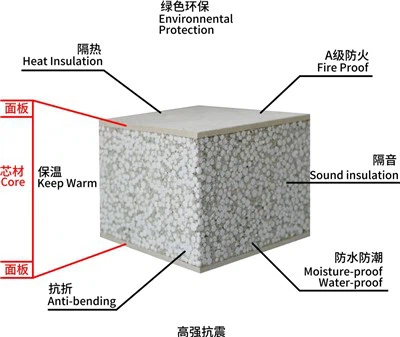
Calcium silicate partition walls are known for their excellent fire resistance, sound insulation, and durability. They are made from a mixture of calcium oxide, silica, and other additives, which are formed into panels through a high - pressure and high - temperature process. These panels are lightweight yet strong, making them a popular choice for both commercial and residential construction projects.
The standard calcium silicate partition walls can generally meet the requirements of most building applications. They can withstand normal loads such as the weight of fixtures, light impacts, and the pressure exerted by the surrounding environment. However, there are specific scenarios where reinforcement becomes a crucial consideration.
Situations Requiring Reinforcement
High - Traffic Areas
In commercial buildings such as shopping malls, airports, or hospitals, where there is a large volume of foot traffic, calcium silicate partition walls may be subject to more frequent impacts. People may accidentally bump into the walls, or equipment may be moved against them. In such cases, reinforcement is necessary to prevent damage to the walls. For example, installing metal frames or adding additional layers of reinforcement within the wall structure can enhance its resistance to impacts. This ensures that the partition walls maintain their integrity over time, reducing the need for frequent repairs and replacements.
Areas with Heavy Fixtures
When calcium silicate partition walls are used to support heavy fixtures such as large cabinets, shelves, or equipment, reinforcement is essential. The weight of these fixtures can put significant stress on the walls, and without proper reinforcement, the walls may crack or even collapse. To address this issue, we can use techniques like embedding metal studs or using stronger support brackets. This distributes the weight of the fixtures evenly across the wall, preventing concentrated stress points.


Seismic Zones
Buildings located in seismic zones are at risk of experiencing earthquakes. During an earthquake, the ground shakes, and the building structure is subjected to lateral forces. Calcium silicate partition walls need to be reinforced to withstand these forces and remain stable. Reinforcement methods may include adding cross - bracing, using flexible connectors, or integrating the walls with the building's main structural system. This helps to ensure that the partition walls do not collapse during an earthquake, protecting the occupants and the building's interior.
Reinforcement Methods
Metal Framing
One of the most common reinforcement methods is the use of metal framing. Metal frames, such as steel or aluminum studs, can be installed within the calcium silicate partition walls. These frames provide additional strength and support, especially in areas where the walls are expected to bear heavy loads or resist impacts. The metal frames can be attached to the wall panels using screws or adhesives, creating a rigid structure.
Fiber Reinforcement
Fiber reinforcement is another effective method. Adding fibers such as glass fibers or carbon fibers to the calcium silicate mixture during the manufacturing process can improve the wall's strength and toughness. These fibers act as a reinforcement network, distributing stress and preventing cracks from spreading. Fiber - reinforced calcium silicate partition walls are more resistant to impacts and have better overall durability.
Additional Layers
In some cases, adding additional layers of calcium silicate panels or other materials can reinforce the partition walls. For example, a second layer of calcium silicate panel can be attached to the existing wall, increasing its thickness and strength. Another option is to add a layer of fire - resistant insulation material between the panels, which not only enhances the wall's fire - resistance but also provides additional structural support.
Our Product Range and Reinforcement Options
At our company, we offer a variety of calcium silicate partition wall products, including the 180mm Sandwich Panel Wall, Fireproof Partition Wall Panel, and Fiber Cement Sandwich Panel. These products can be customized to meet different reinforcement requirements.
For high - traffic areas, we can provide partition walls with reinforced metal frames and impact - resistant coatings. In areas with heavy fixtures, our engineers can design solutions that incorporate strong support systems. For buildings in seismic zones, we have expertise in implementing seismic - resistant reinforcement methods.
Conclusion
In conclusion, while calcium silicate partition walls are generally strong and durable, there are certain situations where reinforcement is necessary. By understanding the specific requirements of each project and choosing the appropriate reinforcement methods, we can ensure that the partition walls perform optimally and meet the highest standards of safety and quality.
If you are considering using calcium silicate partition walls for your construction project and need advice on whether reinforcement is required, or if you have any other questions about our products, please feel free to contact us. We are committed to providing you with the best solutions and high - quality products. Let's work together to create a safe and functional building environment.
References
- Building Code Requirements for Structural Concrete (ACI 318)
- Seismic Design Manual for Non - Structural Components
- Handbook of Building Construction Materials