
Can fiber cement board equipment produce boards with patterns?
As a supplier of Fiber Cement Board Equipment, I often receive inquiries from customers about the capabilities of our machinery. One common question is whether our fiber cement board equipment can produce boards with patterns. In this blog post, I'll delve into this topic to provide you with a comprehensive answer.
Understanding Fiber Cement Board Equipment
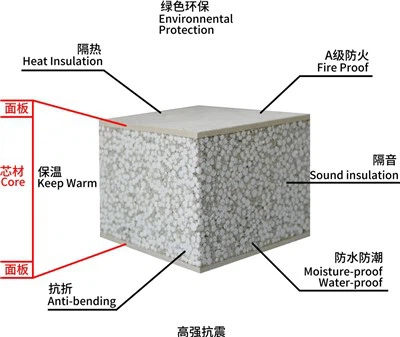
Before we discuss pattern production, it's essential to understand what fiber cement board equipment is and how it works. Fiber cement boards are composite materials made from cement, cellulose fibers, and other additives. The production process typically involves mixing these raw materials, forming the mixture into a board shape, and then curing it to achieve the desired strength and durability.
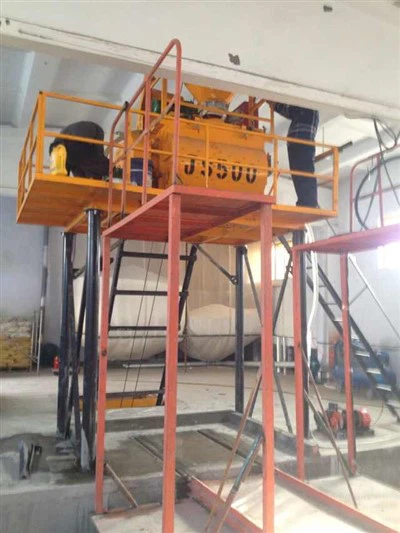
Our fiber cement board equipment is designed to automate and streamline this production process. It includes various components such as mixers, forming machines, presses, and curing chambers. Each component plays a crucial role in ensuring the quality and consistency of the final product.
Traditional Production of Fiber Cement Boards
Traditionally, fiber cement boards are produced in a relatively plain or uniform appearance. The focus has been on achieving a smooth surface finish and consistent thickness. This is because the primary applications of fiber cement boards have been in areas where functionality and durability are the main concerns, such as exterior siding, roofing, and interior wall partitions.


However, as the demand for more aesthetically appealing building materials has increased, there has been a growing interest in producing fiber cement boards with patterns.
Can Fiber Cement Board Equipment Produce Boards with Patterns?
The answer is yes, modern fiber cement board equipment can produce boards with patterns. There are several methods and techniques that can be employed to achieve this:
Embossing
Embossing is a common method for creating patterns on fiber cement boards. During the production process, a patterned roller or die is used to press the pattern onto the surface of the board while it is still in a semi - wet state. This creates a three - dimensional pattern that is integrated into the board's surface. The embossing process can be customized to create a wide variety of patterns, from simple geometric designs to more intricate textures that mimic natural materials such as wood or stone.
Printing
Another method is digital printing. With advancements in printing technology, it is now possible to print high - resolution patterns directly onto the surface of the fiber cement board. This method offers a high degree of flexibility, as any image or pattern can be printed, including custom designs, logos, or photographic images. The printed patterns are durable and resistant to fading, making them suitable for both interior and exterior applications.
In - Mold Decoration
In - mold decoration involves placing a pre - printed or patterned film inside the mold before the fiber cement mixture is poured. As the board is formed and cured, the pattern from the film is transferred onto the surface of the board. This method can produce very detailed and high - quality patterns, and it also provides good protection for the pattern as it is integrated into the board during the production process.
Advantages of Patterned Fiber Cement Boards
Producing fiber cement boards with patterns offers several advantages:
Aesthetic Appeal
Patterned fiber cement boards can significantly enhance the visual appeal of a building. They can be used to create unique and distinctive facades, interiors, or decorative elements, adding a touch of style and personality to any project.
Design Flexibility
Architects and designers have more freedom to explore creative design concepts with patterned fiber cement boards. They can choose from a wide range of patterns and colors to match the overall design theme of the building.
Durability
Fiber cement boards are already known for their durability, and adding patterns does not compromise this quality. Patterned fiber cement boards can withstand harsh weather conditions, fire, and pests, making them a long - lasting and low - maintenance building material.
Considerations for Producing Patterned Fiber Cement Boards
While it is possible to produce patterned fiber cement boards, there are some considerations that need to be taken into account:
Equipment Compatibility
Not all fiber cement board equipment is capable of producing patterned boards. You need to ensure that your equipment is equipped with the necessary components, such as embossing rollers, printing units, or in - mold decoration systems. If you are considering upgrading your equipment to produce patterned boards, it is important to consult with the equipment supplier to ensure compatibility and proper integration.
Cost
Producing patterned fiber cement boards may incur additional costs compared to plain boards. The cost of equipment upgrades, special materials (such as embossing dies or printing inks), and additional production steps need to be considered. However, the increased market value and demand for patterned boards may offset these additional costs in the long run.
Quality Control
Maintaining consistent pattern quality is crucial. Factors such as the alignment of the pattern, the depth of the embossing, and the color accuracy in printing need to be carefully monitored during the production process. This requires a high level of quality control and skilled operators.
Applications of Patterned Fiber Cement Boards
Patterned fiber cement boards have a wide range of applications:
Exterior Cladding
Patterned fiber cement boards can be used as exterior cladding to enhance the curb appeal of a building. They can create a unique and attractive facade that stands out from traditional building materials. For example, a building with fiber cement boards embossed with a wood - grain pattern can give the appearance of a wooden structure while enjoying the benefits of fiber cement's durability and low maintenance.
Interior Design
In interior applications, patterned fiber cement boards can be used for wall panels, ceiling tiles, and partitions. They can add a decorative element to commercial spaces such as offices, restaurants, and hotels, as well as residential interiors.
Decorative Elements
Patterned fiber cement boards can also be used to create decorative elements such as columns, arches, and trim. These elements can add a touch of elegance and sophistication to a building's architecture.
Our Company's Solution
As a leading supplier of Fiber Cement Board Equipment, we offer a range of equipment options that are capable of producing patterned fiber cement boards. Our equipment is designed with the latest technology and features to ensure high - quality pattern production.
We also provide comprehensive support and training to our customers. Our team of experts can assist you in choosing the right equipment for your specific pattern production needs, as well as providing guidance on the production process and quality control.
In addition to fiber cement board equipment, we also offer related products such as Upright EPS Sandwich Panel Forming Machine and EPS Cement Sandwich Panel Production Line, which can complement your building material production capabilities.
If you are interested in producing fiber cement boards with patterns or exploring our other equipment options, we invite you to contact us for a detailed discussion. Our team is ready to answer your questions and help you find the best solution for your business.
Conclusion
The ability to produce fiber cement boards with patterns has opened up new possibilities in the building materials industry. With the right equipment and techniques, it is possible to create high - quality, aesthetically appealing boards that combine the durability of fiber cement with the beauty of patterned designs.
As a supplier of fiber cement board equipment, we are committed to providing our customers with the latest technology and solutions to meet their evolving needs. Whether you are a small - scale manufacturer looking to diversify your product range or a large - scale producer aiming to enhance your market competitiveness, we can help you achieve your goals.
Contact us today to start a conversation about how our equipment can help you produce patterned fiber cement boards and take your business to the next level.
References
- Building Materials Handbook, 3rd Edition, McGraw - Hill
- Modern Construction Materials and Technologies Journal, Vol. 15, Issue 2