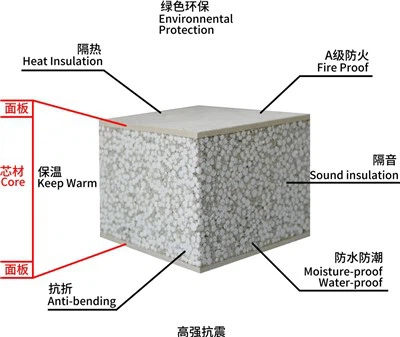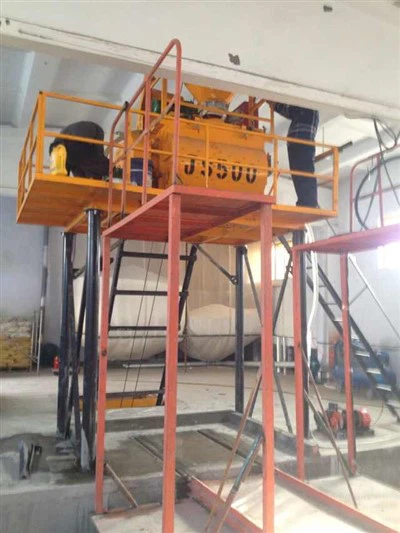

Expanded polystyrene (EPS) wall panels have gained significant popularity in the construction industry due to their lightweight, excellent insulation properties, and cost - effectiveness. One common question that often arises among builders, architects, and DIY enthusiasts is whether these EPS wall panels can be painted. As a supplier of Expanded Polystyrene Wall Panels, I am here to provide you with a comprehensive answer to this question.
Understanding Expanded Polystyrene Wall Panels
Before delving into the painting aspect, it's crucial to understand what EPS wall panels are. EPS is a rigid, closed - cell foam made from expanded polystyrene beads. These panels are typically used for insulation purposes in both residential and commercial buildings. They can be installed on interior and exterior walls, providing thermal insulation, reducing energy consumption, and enhancing the overall comfort of the building.
EPS wall panels come in various forms, such as Fireproof EPS Fiber Cement Sandwich Panel, Fireproof Partition Wall Panel, and EPS Cement Concrete Sandwich Panel. Each type has its own unique features and applications, but they all share the basic characteristic of being made of EPS foam.
Can Expanded Polystyrene Wall Panels Be Painted?
The short answer is yes, expanded polystyrene wall panels can be painted. However, there are several important factors to consider before you start the painting process.
Surface Preparation
The key to a successful paint job on EPS wall panels is proper surface preparation. EPS is a smooth and non - porous material, which means that paint may not adhere well to it without proper treatment. Here are the steps for surface preparation:
- Clean the Surface: Use a mild detergent and water to clean the EPS panels thoroughly. This will remove any dirt, dust, or grease that may be present on the surface. Rinse the panels with clean water and allow them to dry completely.
- Sand the Surface: Lightly sand the EPS panels with fine - grit sandpaper. This will create a rough surface for the paint to adhere to. Be careful not to sand too aggressively, as this can damage the panels.
- Prime the Surface: Apply a high - quality primer specifically designed for use on polystyrene surfaces. The primer will help the paint adhere better and provide a base coat for the topcoat. Follow the manufacturer's instructions for application and drying time.
Choosing the Right Paint
Not all paints are suitable for use on EPS wall panels. You need to choose a paint that is flexible, breathable, and compatible with polystyrene. Here are some types of paint that are recommended:
- Acrylic Latex Paint: Acrylic latex paints are a popular choice for painting EPS wall panels. They are flexible, breathable, and have good adhesion properties. They also come in a wide range of colors and finishes.
- Elastomeric Paint: Elastomeric paints are designed to stretch and move with the substrate. They are ideal for use on EPS panels, as they can accommodate any expansion or contraction of the panels due to temperature changes.
- Water - Based Paint: Water - based paints are environmentally friendly and easy to clean up. They are also less likely to cause damage to the EPS panels compared to solvent - based paints.
Painting Process
Once you have prepared the surface and chosen the right paint, you can start the painting process. Here are some tips to ensure a smooth and professional - looking finish:


- Use a Brush or Roller: For small areas or detailed work, use a brush. For larger areas, a roller is more efficient. Make sure to use high - quality brushes and rollers to avoid leaving streaks or brush marks.
- Apply Thin Coats: Apply thin coats of paint, allowing each coat to dry completely before applying the next one. This will ensure better adhesion and a more even finish.
- Work in a Well - Ventilated Area: Painting can release fumes, so it's important to work in a well - ventilated area. Open windows and doors or use a fan to circulate the air.
Benefits of Painting Expanded Polystyrene Wall Panels
Painting EPS wall panels offers several benefits:
- Aesthetic Appeal: Painting the panels can enhance the appearance of the walls and give them a more finished look. You can choose from a wide range of colors to match your interior or exterior design.
- Protection: A coat of paint can provide an additional layer of protection for the EPS panels. It can help prevent damage from UV rays, moisture, and physical impact.
- Concealment: Painting can also help conceal any imperfections or blemishes on the surface of the panels.
Potential Challenges
While painting EPS wall panels is possible, there are some potential challenges that you may encounter:
- Adhesion Issues: If the surface is not properly prepared or the wrong type of paint is used, the paint may not adhere well to the panels. This can result in peeling, cracking, or flaking of the paint.
- Thermal Expansion and Contraction: EPS panels expand and contract with temperature changes. If the paint is not flexible enough, it may crack or peel as the panels move.
- Moisture Issues: If moisture is trapped between the paint and the EPS panels, it can cause the panels to deteriorate over time. Make sure to use a breathable paint and allow the panels to dry completely before painting.
Conclusion
In conclusion, expanded polystyrene wall panels can be painted, but it requires proper surface preparation, the right choice of paint, and careful application. By following the guidelines outlined in this article, you can achieve a professional - looking paint job on your EPS wall panels.
If you are interested in purchasing high - quality Expanded Polystyrene Wall Panels for your construction project, we are here to assist you. Our wide range of products, including Fireproof EPS Fiber Cement Sandwich Panel, Fireproof Partition Wall Panel, and EPS Cement Concrete Sandwich Panel, are designed to meet the highest standards of quality and performance. Contact us today to discuss your requirements and start a procurement negotiation.
References
- ASTM International. Standard Specification for Rigid, Cellular Polystyrene Thermal Insulation. ASTM C578.
- Paint Manufacturers' Technical Data Sheets.