
Hey there! As a supplier of EPS Cement Seismic Panels, I often get asked if these panels can be used in interior partitions. Well, let's dive right into it and find out.
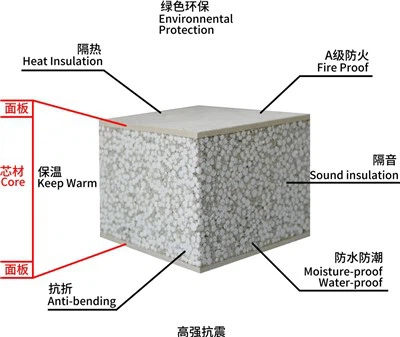
First off, let's talk a bit about what EPS Cement Seismic Panels are. These panels are made by combining expanded polystyrene (EPS) with cement. The EPS provides excellent insulation properties, while the cement gives the panel strength and durability. They're designed to withstand seismic activity, making them a great choice for areas prone to earthquakes.
Now, can they be used in interior partitions? The short answer is yes, and there are several good reasons for that.
Advantages of Using EPS Cement Seismic Panels in Interior Partitions
1. Insulation
One of the biggest perks of EPS Cement Seismic Panels is their insulation capabilities. In an interior setting, this means you can keep your rooms at a comfortable temperature without having to rely too much on heating or cooling systems. For example, during the hot summer months, the panels can block out a significant amount of heat, and in the winter, they can help retain warmth. This not only makes your living or working space more comfortable but also helps you save on energy bills in the long run.
2. Sound Insulation
Noise can be a real nuisance, especially in a busy home or office. EPS Cement Seismic Panels are great at reducing sound transmission. They can act as a barrier between different rooms, helping to keep conversations private and reducing the overall noise level in the building. Whether you're trying to have a quiet meeting in your office or get a good night's sleep at home, these panels can make a big difference.
3. Lightweight and Easy to Install
Compared to traditional building materials like bricks or concrete blocks, EPS Cement Seismic Panels are much lighter. This makes them easier to handle and install. You don't need heavy machinery or a large team of workers to put them up. As a result, the installation process is faster and more cost - effective. You can have your interior partitions up and ready in no time, which is a huge advantage if you're on a tight schedule.
4. Fire Resistance
Safety is always a top priority, especially when it comes to interior partitions. EPS Cement Seismic Panels have good fire - resistant properties. They can slow down the spread of fire in case of an emergency, giving you more time to evacuate the building and reducing the risk of property damage.
5. Design Flexibility
These panels come in various sizes and thicknesses, which gives you a lot of flexibility in terms of design. You can choose the right panel for your specific needs, whether you're looking for a thin partition to separate two small rooms or a thicker one for more privacy and insulation. For instance, you can check out our 100mm Prefabricated Insulated Wall Panels or 180mm Sandwich Panel Wall options.
Considerations When Using EPS Cement Seismic Panels in Interior Partitions
Of course, like any building material, there are a few things you need to keep in mind when using EPS Cement Seismic Panels for interior partitions.
1. Surface Finishing
The surface of EPS Cement Seismic Panels may need some finishing work. You might want to paint them or apply a decorative veneer to match the overall aesthetic of your space. This is an extra step in the process, but it allows you to customize the look of your partitions.
2. Moisture Management
Although these panels are relatively resistant to moisture, it's still important to ensure proper moisture management. In areas with high humidity or where there's a risk of water exposure, you may need to take additional precautions, such as using a waterproof membrane.
3. Structural Support
While EPS Cement Seismic Panels are strong, they still need proper structural support. Make sure the panels are installed correctly and are attached to a stable frame or wall. This will ensure that they can withstand normal wear and tear over time.
Real - World Applications
EPS Cement Seismic Panels have been used in a variety of interior partition applications. In residential buildings, they're often used to create room dividers, closets, or even to separate the living area from the kitchen. In commercial buildings, they can be used to create offices, meeting rooms, or storage areas.
For example, in an open - plan office, these panels can be used to create private workspaces without sacrificing the overall modern and open feel of the office. They can be easily installed and customized to fit the specific layout and design requirements of the space.


Another great application is in multi - family housing. The sound insulation properties of these panels make them ideal for separating individual units, ensuring that residents have a quiet and comfortable living environment.
Our Product Range
As a supplier, we offer a wide range of EPS Cement Seismic Panels to meet different needs. Our Foam Concrete Cement Sandwich Panel is a popular choice for interior partitions. It combines the benefits of foam concrete and EPS, providing excellent insulation, strength, and fire resistance.
We also have different thicknesses and sizes available, so you can choose the panel that's right for your project. Whether you're a contractor working on a large commercial building or a homeowner doing a small renovation, we've got you covered.
Conclusion
In conclusion, EPS Cement Seismic Panels are a great option for interior partitions. They offer a range of benefits, including insulation, soundproofing, lightweight installation, fire resistance, and design flexibility. While there are a few considerations to keep in mind, with proper planning and installation, these panels can provide a long - lasting and cost - effective solution for your interior partition needs.
If you're interested in using EPS Cement Seismic Panels for your next project, I'd love to hear from you. We can provide you with more information, samples, and a quote. Just reach out, and let's start the conversation about how we can help you create the perfect interior partitions.
References
- Building Materials Handbook: A comprehensive guide on different building materials and their applications.
- Seismic Design and Construction Manual: Information on seismic - resistant building materials and construction techniques.