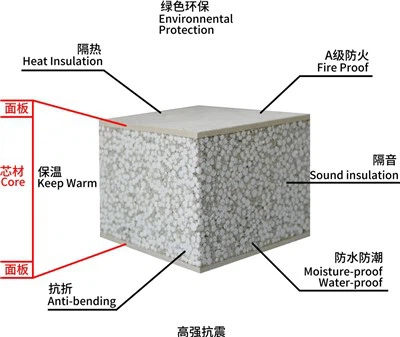

In the realm of modern construction, expanded polystyrene (EPS) wall panels have emerged as a popular choice for various building projects. As a supplier of Expanded Polystyrene Wall Panels, I often encounter questions regarding their environmental friendliness. This blog post aims to delve into the topic, exploring the environmental aspects of EPS wall panels from multiple perspectives.
Composition and Manufacturing Process
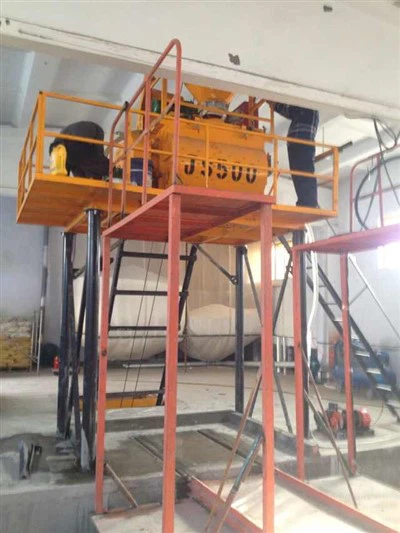
EPS wall panels are primarily made from expanded polystyrene beads, which are a type of thermoplastic polymer. The manufacturing process involves heating the beads with steam, causing them to expand and fuse together to form a rigid foam structure. This process consumes relatively less energy compared to the production of traditional building materials such as concrete and steel.
One of the key environmental benefits of EPS production is the low carbon footprint associated with its manufacturing. According to research, the energy required to produce EPS is significantly lower than that of many other insulation materials. This energy efficiency translates into reduced greenhouse gas emissions during the production phase, making EPS a more sustainable option in this regard.
Insulation Properties and Energy Efficiency
One of the most significant advantages of EPS wall panels is their excellent insulation properties. They have a high thermal resistance, which means they can effectively reduce heat transfer through the walls. This is crucial for maintaining a comfortable indoor temperature in both cold and hot climates, leading to substantial energy savings for heating and cooling systems.
Buildings insulated with EPS wall panels require less energy to maintain a stable temperature, resulting in lower energy consumption and reduced carbon emissions over the building's lifespan. For example, in a cold climate, EPS insulation can prevent heat from escaping the building, reducing the need for excessive heating. In a hot climate, it can block the entry of external heat, minimizing the reliance on air conditioning. This energy efficiency not only benefits the environment but also helps building owners save on energy costs.
Durability and Longevity
EPS wall panels are known for their durability and longevity. They are resistant to moisture, rot, and pests, which means they can maintain their structural integrity and insulation performance over an extended period. This reduces the need for frequent replacements and repairs, which in turn reduces the environmental impact associated with the production and disposal of building materials.
A long-lasting building material like EPS wall panels contributes to sustainable construction practices by reducing waste generation. Additionally, the reduced maintenance requirements also save energy and resources that would otherwise be used in the upkeep of the building.
Recyclability and Waste Management
The recyclability of EPS is a topic that often sparks debate. While EPS is technically recyclable, the reality is that the recycling rate for EPS is relatively low in many regions. This is due to several factors, including the low density of EPS, which makes it difficult and expensive to transport for recycling.
However, efforts are being made to improve the recyclability of EPS. Some recycling facilities have developed innovative methods to compact EPS waste, making it more cost-effective to recycle. Additionally, there is a growing market for recycled EPS products, such as picture frames, packaging materials, and insulation boards. As a supplier, we are committed to promoting the recycling of EPS wall panels and working with recycling facilities to ensure that our products have a minimal environmental impact at the end of their lifespan.
Environmental Concerns and Challenges
Despite the many environmental benefits of EPS wall panels, there are also some concerns associated with their use. One of the main concerns is the potential release of styrene, a monomer used in the production of polystyrene, into the environment. Styrene is classified as a possible human carcinogen by the International Agency for Research on Cancer (IARC). However, the risk of styrene exposure from EPS wall panels is generally considered to be low, as the panels are typically enclosed within the building structure and do not release significant amounts of styrene under normal conditions.

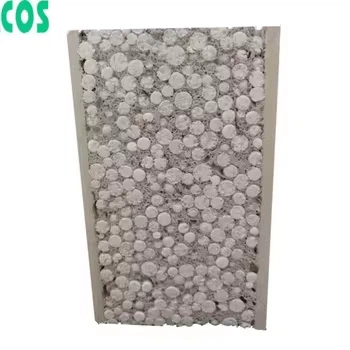
Another concern is the potential for EPS to contribute to litter and marine pollution. EPS is lightweight and can easily be carried by the wind or water, leading to its accumulation in the environment. To address this issue, it is important to ensure proper waste management and disposal of EPS products. As a supplier, we encourage our customers to recycle EPS wall panels and to dispose of any waste in an environmentally responsible manner.
Conclusion and Call to Action
In conclusion, expanded polystyrene wall panels offer several environmental benefits, including energy efficiency, durability, and potential recyclability. While there are some environmental concerns associated with their use, these can be mitigated through proper waste management and recycling practices.
As a supplier of 100mm Lightweight Sandwich Panel, Waterproof EPS Sandwich Panel, and EPS Cement Waterproof Wall Panels for Hospital, we are committed to providing high-quality, environmentally friendly products. We believe that EPS wall panels can play an important role in sustainable construction, helping to reduce energy consumption and carbon emissions.
If you are interested in learning more about our EPS wall panels or would like to discuss a potential project, please feel free to contact us. We look forward to working with you to create sustainable and energy-efficient buildings.
References
- "Energy Efficiency of Buildings and Insulation Materials." Journal of Building Physics.
- "Recycling of Expanded Polystyrene: Current Practices and Future Prospects." Waste Management Journal.
- "Environmental Impact of Building Materials: A Comparative Analysis." Environmental Science & Technology.