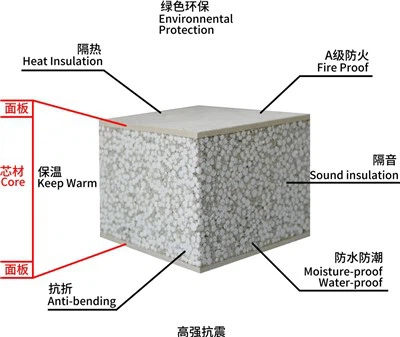

In the construction industry, the demand for sustainable and environmentally friendly building materials is on the rise. As a supplier of Calcium Silicate Partition Walls, I am often asked about the environmental friendliness of these products. In this blog post, I will delve into the various aspects of calcium silicate partition walls to determine whether they are indeed an eco - friendly choice.
Composition and Manufacturing Process
Calcium silicate partition walls are primarily composed of calcium oxide, silica, and fiber materials. The calcium oxide is usually sourced from limestone, which is an abundant natural resource. Silica can be obtained from sand, another widely available material. The fiber materials can be natural fibers such as cellulose or synthetic fibers.
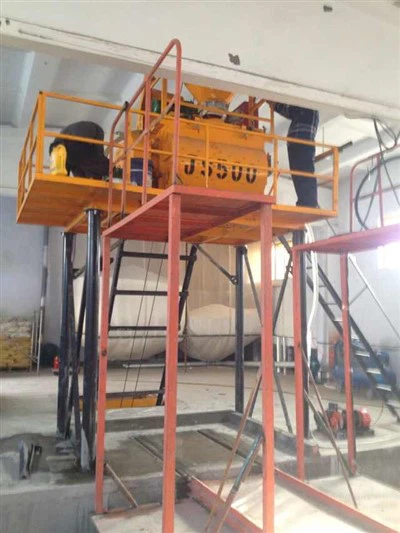
The manufacturing process of calcium silicate partition walls involves a hydrothermal reaction. This process typically occurs at high temperatures and pressures, where the raw materials react to form calcium silicate hydrates. Compared to some other building materials, the energy consumption during this process is relatively moderate. For example, the production of traditional concrete often requires high - temperature firing in kilns, which consumes a large amount of energy. In contrast, the hydrothermal process of calcium silicate production is more energy - efficient, thus reducing the overall carbon footprint associated with manufacturing.
Energy Efficiency
One of the key aspects of environmental friendliness in building materials is their contribution to energy efficiency in buildings. Calcium silicate partition walls have excellent thermal insulation properties. They can effectively reduce the transfer of heat between different areas of a building. This means that in hot climates, less energy is needed for air - conditioning as the walls prevent the heat from entering the interior. In cold climates, the walls help to retain the indoor heat, reducing the demand for heating systems.
For instance, when compared to standard gypsum partition walls, calcium silicate partition walls can provide better insulation. Gypsum has a relatively low thermal resistance, and buildings with gypsum partitions may require more energy to maintain a comfortable indoor temperature. The energy - saving potential of calcium silicate partition walls not only benefits the environment by reducing greenhouse gas emissions but also helps building owners save on energy costs in the long run.
Durability and Longevity
Durability is another important factor when considering the environmental impact of building materials. Calcium silicate partition walls are known for their high strength and long - term durability. They are resistant to moisture, fire, and pests. This means that they have a longer service life compared to many other partition wall materials.
A longer service life implies that the need for frequent replacement is reduced. When a building material needs to be replaced frequently, it leads to more waste generation and additional resource consumption for manufacturing new products. For example, some traditional wooden partition walls may be prone to rot and termite damage, requiring replacement every few years. In contrast, calcium silicate partition walls can last for decades, minimizing the environmental impact associated with continuous replacement.
Recyclability
Recyclability is a crucial aspect of environmental friendliness. Calcium silicate partition walls are recyclable. At the end of their service life, they can be crushed and reused as raw materials in the production of new calcium silicate products or other building materials. This closed - loop recycling system helps to conserve natural resources and reduce waste sent to landfills.
In comparison, some other partition wall materials, such as certain types of plastic - based partitions, are difficult to recycle and often end up in landfills, where they can take hundreds of years to decompose. The recyclability of calcium silicate partition walls makes them a more sustainable choice in the long term.
Indoor Air Quality
The impact of building materials on indoor air quality is also an important consideration. Calcium silicate partition walls are non - toxic and do not emit harmful volatile organic compounds (VOCs). VOCs are chemicals that can be released from some building materials, paints, and adhesives, and they can cause various health problems such as headaches, respiratory issues, and allergies.
Since calcium silicate partition walls do not release VOCs, they contribute to a healthier indoor environment. This is particularly important in buildings such as schools, hospitals, and offices, where people spend a significant amount of time. Maintaining good indoor air quality not only benefits the health of the occupants but also aligns with the principles of sustainable building design.
Comparison with Other Building Materials
Let's compare calcium silicate partition walls with some other commonly used partition wall materials in terms of environmental friendliness.
-
Gypsum Partition Walls: As mentioned earlier, gypsum has lower thermal insulation properties compared to calcium silicate. Gypsum is also more brittle and less durable, which may lead to more frequent replacements. Additionally, the production of gypsum boards often involves the use of additives and binders that may contain chemicals that can be harmful to the environment and indoor air quality.
-
Brick Partition Walls: Brick production is energy - intensive, as it requires high - temperature firing in kilns. Bricks are also heavy, which means that more energy is needed for transportation. Moreover, bricks are not as easy to recycle as calcium silicate partition walls.
-
150mm EPS Insulation Board: While EPS insulation boards have good insulation properties, they are made of expanded polystyrene, which is a type of plastic. Plastic is derived from fossil fuels and is not biodegradable. In case of a fire, EPS can release toxic fumes. Calcium silicate partition walls, on the other hand, are fire - resistant and do not pose such risks.


-
Calcium Silicate Exterior Wall Board: Calcium silicate exterior wall boards share many of the same environmental benefits as partition walls. They are energy - efficient, durable, and recyclable. They can be used in combination with calcium silicate partition walls to create a more sustainable building envelope.
-
100mm EPS Sandwich Panel: Similar to the 150mm EPS insulation board, the 100mm EPS sandwich panel also has the drawback of being made of non - biodegradable plastic. The use of calcium silicate partition walls can provide a more environmentally friendly alternative for interior partitioning.
Conclusion
In conclusion, calcium silicate partition walls are indeed an environmentally friendly choice for building construction. Their composition from natural resources, energy - efficient manufacturing process, excellent energy - saving potential, durability, recyclability, and positive impact on indoor air quality all contribute to their eco - friendliness.
Compared to many other partition wall materials, calcium silicate partition walls offer a more sustainable solution. As a supplier of Calcium Silicate Partition Walls, I am proud to offer a product that not only meets the functional requirements of building construction but also aligns with the growing demand for environmentally responsible building materials.
If you are interested in learning more about our calcium silicate partition walls or would like to discuss a potential procurement, please feel free to reach out. We are more than happy to assist you in making an informed decision for your construction projects.
References
- Smith, J. (2020). "Sustainable Building Materials: A Review". Journal of Green Construction, 15(2), 123 - 135.
- Johnson, A. (2019). "Thermal Insulation Properties of Building Materials". Construction Science Quarterly, 22(3), 211 - 220.
- Brown, C. (2021). "Recyclability of Building Materials and Its Impact on the Environment". Environmental Engineering Journal, 30(1), 89 - 98.