
Hey there! As a supplier of Calcium Silicate Partition Walls, I often get asked about the weight of these walls. It's a crucial factor, whether you're an architect planning a new building, a contractor working on a renovation, or a DIY enthusiast looking to spruce up your space. So, let's dive right into it and figure out what affects the weight of a calcium silicate partition wall.
What's in a Calcium Silicate Partition Wall?
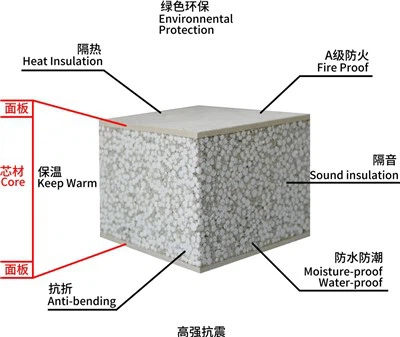
First off, let's understand what makes up a calcium silicate partition wall. Calcium silicate is a composite material made from a mix of lime, silica, and other additives. It's known for its excellent fire resistance, durability, and sound insulation properties. These walls are typically made up of calcium silicate boards that are installed on a metal or wooden frame.
The weight of the wall depends on several factors, including the thickness of the boards, the type of frame used, and any additional insulation or finishing materials.
Thickness of the Calcium Silicate Boards
The thickness of the calcium silicate boards is one of the biggest factors that influence the weight of the partition wall. Thicker boards are generally heavier because they contain more material.
Typically, calcium silicate boards come in thicknesses ranging from 6mm to 25mm. A 6mm board is relatively lightweight and is often used for interior partitions where weight is a concern. On the other hand, a 25mm board is much heavier and is usually used in areas where higher fire resistance or greater strength is required, such as in commercial buildings or industrial settings.
Let's take a look at the approximate weights of calcium silicate boards based on their thickness:
- 6mm board: Around 6 - 8 kg per square meter.
- 10mm board: Approximately 10 - 12 kg per square meter.
- 15mm board: Roughly 15 - 18 kg per square meter.
- 20mm board: About 20 - 24 kg per square meter.
- 25mm board: Around 25 - 30 kg per square meter.
These weights are just estimates, and the actual weight can vary depending on the specific brand and manufacturing process.
Type of Frame
The frame used to support the calcium silicate boards also contributes to the overall weight of the partition wall. There are two main types of frames: metal and wooden.
Metal Frames: Metal frames, usually made of steel or aluminum, are lightweight and strong. They are a popular choice for commercial and industrial applications. The weight of a metal frame depends on its gauge (thickness) and the design. A typical metal stud frame for a partition wall might weigh around 2 - 5 kg per linear meter.
Wooden Frames: Wooden frames are more traditional and are often used in residential construction. They are heavier than metal frames, especially if they are made from solid wood. The weight of a wooden frame can vary widely depending on the type of wood and the size of the studs. A wooden stud frame might weigh around 5 - 10 kg per linear meter.
Additional Insulation and Finishing Materials
In some cases, you might want to add insulation or finishing materials to your calcium silicate partition wall. These additional materials can increase the weight of the wall.
Insulation: Insulation materials such as fiberglass, rock wool, or foam can be added to the partition wall to improve its thermal and acoustic performance. The weight of the insulation depends on its type and thickness. For example, a layer of fiberglass insulation might add around 1 - 3 kg per square meter.
Finishing Materials: Finishing materials such as paint, wallpaper, or tile can also add weight to the wall. A layer of paint is relatively lightweight, but a layer of tile can be quite heavy. For instance, ceramic tiles can add around 10 - 20 kg per square meter.
Calculating the Weight of a Calcium Silicate Partition Wall
Now that we know the factors that affect the weight of a calcium silicate partition wall, let's see how we can calculate it.


Let's say you're planning to install a partition wall that is 3 meters high and 5 meters long. You're using 10mm calcium silicate boards on a metal stud frame and adding a layer of fiberglass insulation.
-
Calculate the area of the partition wall:
- Area = Height x Length = 3m x 5m = 15 square meters.
-
Calculate the weight of the calcium silicate boards:
- From our earlier estimates, a 10mm calcium silicate board weighs around 10 - 12 kg per square meter. Let's take the average of 11 kg per square meter.
- Weight of the boards = Area x Weight per square meter = 15 square meters x 11 kg per square meter = 165 kg.
-
Calculate the weight of the metal stud frame:
- Let's assume the metal stud frame weighs 3 kg per linear meter. The perimeter of the partition wall is 2 x (3m + 5m) = 16 meters.
- Weight of the frame = Perimeter x Weight per linear meter = 16 meters x 3 kg per linear meter = 48 kg.
-
Calculate the weight of the insulation:
- Let's assume the fiberglass insulation adds 2 kg per square meter.
- Weight of the insulation = Area x Weight per square meter = 15 square meters x 2 kg per square meter = 30 kg.
-
Calculate the total weight of the partition wall:
- Total weight = Weight of the boards + Weight of the frame + Weight of the insulation = 165 kg + 48 kg + 30 kg = 243 kg.
This is just a rough estimate, and the actual weight might vary depending on the specific materials and installation methods used.
Why Does the Weight Matter?
The weight of a calcium silicate partition wall is important for several reasons:
- Structural Considerations: The weight of the partition wall needs to be taken into account when designing the building's structure. If the wall is too heavy, it could put excessive stress on the floors and foundations.
- Installation Ease: Heavier walls can be more difficult to install, especially in areas where access is limited. Lighter walls are generally easier to handle and can be installed more quickly.
- Transportation: The weight of the partition wall also affects transportation costs. Heavier walls require more fuel to transport, which can increase the overall cost of the project.
Other Products We Offer
In addition to calcium silicate partition walls, we also offer a range of other products that might be useful for your construction projects. Check out our Fireproof Foamed EPS Sandwich Panel, Waterproof Calcium Silicate Board, and Polystyrene Wall Panels.
Contact Us for Your Purchase
If you're interested in purchasing calcium silicate partition walls or any of our other products, don't hesitate to get in touch with us. We have a team of experts who can help you choose the right products for your needs and provide you with a competitive quote. Whether you're working on a small residential project or a large commercial development, we've got you covered.
References
- Building Materials Handbook, 3rd Edition
- Construction Science and Materials, 2nd Edition