
What is the Thermal Conductivity of 180mm Sandwich Panel Wall?
As a supplier of 180mm Sandwich Panel Walls, I've encountered numerous inquiries regarding the thermal conductivity of these panels. Understanding this property is crucial for architects, contractors, and building owners, as it directly impacts the energy efficiency and comfort of a building. In this blog post, I'll delve into the concept of thermal conductivity, explore the factors that affect it in 180mm Sandwich Panel Walls, and provide some typical values to help you make informed decisions for your projects.
Understanding Thermal Conductivity
Thermal conductivity, often denoted by the symbol "k," is a measure of a material's ability to conduct heat. It is defined as the amount of heat that flows through a unit area of a material in a unit time, under a unit temperature gradient. In simpler terms, it tells us how easily heat can pass through a material. Materials with high thermal conductivity, such as metals, allow heat to flow through them quickly, while materials with low thermal conductivity, like insulation materials, impede the flow of heat.
The SI unit of thermal conductivity is watts per meter-kelvin (W/m·K). A lower value of k indicates better insulation properties, as less heat is transferred through the material. When it comes to building construction, minimizing heat transfer is essential for reducing energy consumption and maintaining a comfortable indoor environment.
Factors Affecting the Thermal Conductivity of 180mm Sandwich Panel Walls
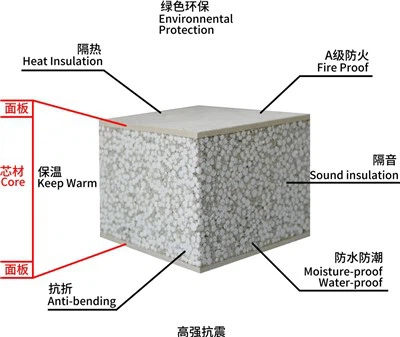
A 180mm Sandwich Panel Wall typically consists of two outer layers (facings) and a core material sandwiched between them. The thermal conductivity of the panel is influenced by several factors, including the materials used for the facings and the core, the thickness of each layer, and the overall construction quality.
Facing Materials
The facings of a sandwich panel can be made from various materials, such as metal, wood, or fiber cement. These materials have different thermal conductivities, which can affect the overall performance of the panel. For example, metal facings generally have higher thermal conductivity than non-metallic facings, which means they allow more heat to pass through. However, metal facings also provide structural strength and durability, which are important considerations in building construction.
Core Material
The core material is the most critical component in determining the thermal conductivity of a sandwich panel. Common core materials include expanded polystyrene (EPS), polyurethane (PU), and mineral wool. EPS is a lightweight and cost-effective insulation material with relatively low thermal conductivity. PU, on the other hand, offers excellent insulation properties and high strength, but it is more expensive than EPS. Mineral wool is a fire-resistant and environmentally friendly option, with good thermal insulation performance.
The density and thickness of the core material also play a significant role in determining its thermal conductivity. Generally, a higher density core material has better insulation properties, but it also adds weight to the panel. The thickness of the core material directly affects the overall thermal resistance of the panel, with thicker cores providing better insulation.
Construction Quality
The way the sandwich panel is constructed can also impact its thermal conductivity. Proper installation, including tight sealing of joints and edges, is essential to prevent air leakage, which can significantly reduce the insulation performance of the panel. Additionally, the quality of the bonding between the facings and the core material can affect the transfer of heat through the panel.
Typical Thermal Conductivity Values for 180mm Sandwich Panel Walls
The thermal conductivity of a 180mm Sandwich Panel Wall can vary depending on the specific materials and construction methods used. However, here are some typical values for different types of sandwich panels:
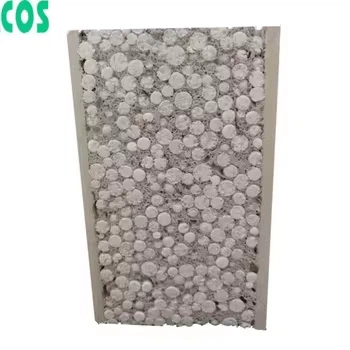
- EPS Core Sandwich Panels: These panels typically have a thermal conductivity ranging from 0.030 to 0.040 W/m·K, depending on the density of the EPS core. EPS is a popular choice for its low cost and good insulation properties. You can learn more about Lightweight Precast EPS Cement Sandwich Panel.
- PU Core Sandwich Panels: PU core panels offer excellent insulation performance, with thermal conductivity values as low as 0.020 to 0.025 W/m·K. These panels are often used in applications where high energy efficiency is required, such as cold storage facilities and industrial buildings.
- Mineral Wool Core Sandwich Panels: Mineral wool core panels have a thermal conductivity in the range of 0.035 to 0.045 W/m·K. They are known for their fire resistance and environmental friendliness, making them a suitable choice for buildings with strict safety requirements.
It's important to note that these values are approximate and can vary depending on the specific product and manufacturer. When selecting a sandwich panel for your project, it's recommended to refer to the manufacturer's technical data sheets for accurate thermal conductivity values.
Importance of Thermal Conductivity in Building Construction
The thermal conductivity of a building envelope, including walls, roofs, and floors, has a significant impact on the energy efficiency and comfort of a building. A building with low thermal conductivity walls can reduce heat loss in the winter and heat gain in the summer, resulting in lower energy consumption and reduced heating and cooling costs.
In addition to energy savings, good insulation also helps to maintain a more stable indoor temperature, reducing the need for frequent adjustments to the heating and cooling systems. This not only improves the comfort of the occupants but also extends the lifespan of the HVAC equipment.
Moreover, buildings with high energy efficiency are becoming increasingly important in today's environmentally conscious world. Many countries and regions have introduced energy efficiency standards and regulations to encourage the construction of sustainable buildings. By using sandwich panels with low thermal conductivity, you can ensure that your building meets or exceeds these standards, contributing to a greener and more sustainable future.

Conclusion
In conclusion, the thermal conductivity of a 180mm Sandwich Panel Wall is a crucial factor to consider when selecting building materials. It is influenced by the materials used for the facings and the core, the thickness of each layer, and the overall construction quality. By choosing a sandwich panel with low thermal conductivity, you can improve the energy efficiency, comfort, and sustainability of your building.
As a supplier of 180mm Sandwich Panel Walls, we offer a wide range of products with different core materials and facing options to meet the diverse needs of our customers. Whether you're looking for a cost-effective solution or a high-performance panel for a specific application, we can provide you with the right product and technical support.
If you're interested in learning more about our 180mm Sandwich Panel Walls or have any questions regarding thermal conductivity and energy efficiency, please feel free to contact us. We're here to help you make the best decision for your project.
References
- ASHRAE Handbook of Fundamentals. American Society of Heating, Refrigerating and Air-Conditioning Engineers.
- EN 13162: Thermal insulation products for buildings - Factory made products of expanded polystyrene (EPS) - Specification. European Committee for Standardization.
- EN 13165: Thermal insulation products for buildings - Factory made products of rigid polyurethane foam (PUR) - Specification. European Committee for Standardization.
- EN 13164: Thermal insulation products for buildings - Factory made mineral wool (MW) products - Specification. European Committee for Standardization.