
The Sound Transmission Class (STC) rating is a crucial metric when evaluating the acoustic performance of lightweight partition wall panels. As a supplier of Lightweight Partition Wall Panels, I've witnessed firsthand the significance of STC ratings in the construction and interior design industries. In this blog, I'll delve into what the STC rating means, how it's measured, and its implications for our lightweight partition wall panels.
Understanding the Sound Transmission Class (STC) Rating
The STC rating is a single - number index that represents a material's ability to reduce airborne sound transmission. It is widely used in the United States and other countries to quantify the sound - insulating properties of building materials, including partition walls. The higher the STC rating, the better the material is at blocking sound.
For example, a wall with an STC rating of 30 will allow a significant amount of sound to pass through, making it suitable for areas where privacy is not a major concern, such as storage rooms or utility areas. On the other hand, a wall with an STC rating of 60 or higher is excellent at soundproofing and is ideal for spaces like recording studios, hospitals, or high - end residential bedrooms where noise isolation is crucial.
How is the STC Rating Measured?
The measurement of the STC rating involves a series of laboratory tests. A test specimen of the partition wall panel is installed between two reverberant rooms. A sound source is placed in one room, and the sound pressure levels are measured in both the source room and the receiving room at various frequencies. The measured sound transmission loss values at different frequencies are then compared to a standard reference contour.
The STC rating is determined by finding the best - fit match between the measured sound transmission loss curve and the reference contour. The rating is essentially the number on the reference contour that aligns most closely with the measured data over a range of frequencies from 125 Hz to 4000 Hz. This frequency range is considered to be the most relevant for human speech and most common environmental noises.
Factors Affecting the STC Rating of Lightweight Partition Wall Panels
Several factors can influence the STC rating of our lightweight partition wall panels.
Material Composition
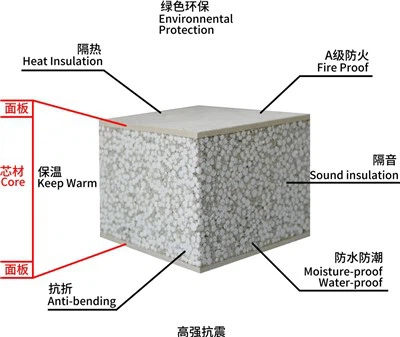
The materials used in the construction of the panels play a significant role. For instance, Fireproof EPS Fiber Cement Sandwich Panel combines the fire - resistant properties of fiber cement with the insulating qualities of expanded polystyrene (EPS). The density and structure of these materials affect how sound waves interact with the panel. A denser material generally has a higher STC rating because it can absorb and reflect more sound energy.
Panel Thickness
Thicker panels tend to have higher STC ratings. A thicker panel provides more mass and a greater distance for sound waves to travel through, which increases the likelihood of sound absorption and reflection. Our 120mm EPS Cement Sandwich Panel is designed to offer better sound insulation compared to thinner panels due to its increased thickness.
Installation Method
Proper installation is crucial for achieving the advertised STC rating. Gaps, cracks, or improper sealing around the edges of the panels can significantly reduce the sound - insulating performance. Ensuring a tight fit and using appropriate sealants can help maintain the integrity of the sound barrier.
STC Ratings of Our Lightweight Partition Wall Panels
At our company, we offer a range of lightweight partition wall panels with different STC ratings to meet the diverse needs of our customers.
Our Heat Insulation Prefabricated Cement Board is designed to provide a good balance between heat insulation and soundproofing. It typically has an STC rating in the range of 40 - 45, which makes it suitable for most residential and commercial applications where moderate sound isolation is required.


For more demanding sound - proofing requirements, our thicker and more advanced panels, such as the 120mm EPS Cement Sandwich Panel, can achieve STC ratings of 50 or higher. These panels are often used in applications where high - level sound insulation is essential, such as in hotels, schools, and office buildings.
Applications of Lightweight Partition Wall Panels Based on STC Ratings
Residential Applications
In residential settings, the choice of partition wall panel based on STC rating can greatly enhance the quality of life. For bedrooms and home offices, panels with an STC rating of 45 or higher can provide a quiet and peaceful environment, free from the distractions of external noise. In open - concept living areas, using panels with a moderate STC rating can help define spaces while still allowing for some acoustic connectivity.
Commercial Applications
In commercial buildings, the STC rating is even more critical. In office buildings, partitions with high STC ratings can be used to create private offices, conference rooms, and meeting spaces where confidentiality and noise control are important. In retail stores, appropriate sound - insulating partitions can enhance the shopping experience by reducing background noise and creating a more pleasant atmosphere.
Hospitality and Entertainment Applications
Hotels, restaurants, and entertainment venues require careful consideration of STC ratings. In hotels, high - quality soundproofing in guest rooms is essential for guest satisfaction. In restaurants, partitions can be used to separate dining areas and reduce noise from the kitchen or other parts of the establishment. Entertainment venues, such as theaters and concert halls, rely on advanced sound - insulating materials to ensure optimal acoustic performance.
Why Choose Our Lightweight Partition Wall Panels?
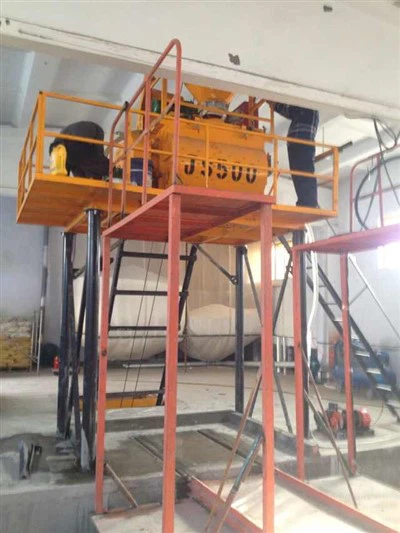
As a supplier of lightweight partition wall panels, we are committed to providing high - quality products with reliable STC ratings. Our panels are manufactured using the latest technology and high - grade materials to ensure consistent performance. We conduct rigorous quality control tests to verify the STC ratings of our panels, so you can trust that you are getting what you pay for.
In addition to their excellent sound - insulating properties, our panels are also lightweight, which makes them easy to install and transport. They are also fire - resistant, energy - efficient, and environmentally friendly, offering a comprehensive solution for your construction and interior design needs.
Contact Us for Your Partition Wall Panel Needs
If you are in the market for lightweight partition wall panels and have specific requirements regarding STC ratings, we would be more than happy to assist you. Our team of experts can help you select the right panel for your project, based on your budget, design preferences, and acoustic needs.
Whether you are a contractor, architect, or a homeowner, we invite you to contact us for more information and to discuss your procurement options. We are eager to work with you to create the perfect acoustic environment for your space.
References
- ASTM E90 - 16, Standard Test Method for Laboratory Measurement of Airborne Sound Transmission Loss of Building Partitions and Elements.
- ISO 140 - 3:1995, Acoustics - Measurement of sound insulation in buildings and of building elements - Part 3: Laboratory measurements of airborne sound insulation of building elements.
- Fahy, F. J., & Walker, T. J. (2009). Sound and Structural Vibration: Radiation, Transmission and Response. Academic Press.