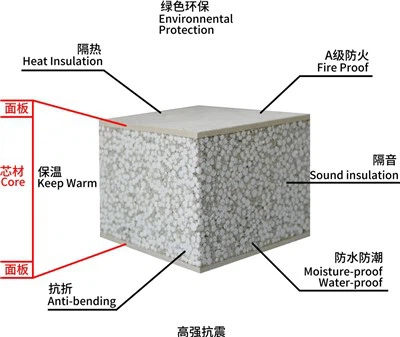

As a supplier of polystyrene wall panels, I often encounter inquiries from customers regarding various properties of our products. One question that frequently arises is about the moisture absorption rate of polystyrene wall panels. In this blog post, I'll delve into what the moisture absorption rate of polystyrene wall panels is, why it matters, and how it impacts the performance of these panels in different applications.
Understanding Polystyrene Wall Panels
Polystyrene is a synthetic aromatic hydrocarbon polymer made from the monomer known as styrene. Polystyrene wall panels are lightweight, cost - effective, and have excellent thermal insulation properties. They are commonly used in both residential and commercial construction for interior and exterior wall applications. There are different types of polystyrene used in wall panels, including expanded polystyrene (EPS) and extruded polystyrene (XPS). EPS is made by expanding polystyrene beads with steam, while XPS is produced through an extrusion process, resulting in a more uniform and dense structure.


What is Moisture Absorption Rate?
The moisture absorption rate refers to the amount of water a material can absorb when exposed to a moist environment over a specific period. It is usually expressed as a percentage of the material's dry weight. For polystyrene wall panels, the moisture absorption rate is a crucial parameter as it can affect the panel's structural integrity, thermal insulation performance, and overall durability.
Moisture Absorption Rate of Polystyrene Wall Panels
In general, polystyrene has a relatively low moisture absorption rate. Expanded polystyrene (EPS) typically has a moisture absorption rate of less than 0.1% by volume after 28 days of immersion in water according to ASTM C578 standards. This low rate is due to the closed - cell structure of EPS, which acts as a barrier to water penetration.
Extruded polystyrene (XPS) has an even lower moisture absorption rate, often less than 0.05% by volume after 28 days of immersion. The dense and uniform structure of XPS provides better resistance to water ingress compared to EPS.
However, it's important to note that the actual moisture absorption rate can vary depending on several factors, such as the quality of the polystyrene, the manufacturing process, and the presence of any additives or coatings.
Why Does the Moisture Absorption Rate Matter?
Structural Integrity
When polystyrene wall panels absorb moisture, they can become heavier and lose their structural strength. Over time, the repeated wetting and drying cycles can cause the panels to crack or delaminate, especially if they are used in load - bearing applications. A low moisture absorption rate helps to maintain the panel's shape and strength, ensuring long - term structural stability.
Thermal Insulation Performance
Moisture can significantly reduce the thermal insulation properties of polystyrene wall panels. Water has a much higher thermal conductivity than air, and when it fills the cells of the polystyrene, it creates a path for heat transfer. This means that panels with a high moisture absorption rate will be less effective at keeping buildings warm in the winter and cool in the summer, leading to increased energy consumption for heating and cooling.
Durability
High moisture absorption can also lead to the growth of mold and mildew on the surface of the wall panels. Mold not only affects the aesthetic appearance of the panels but can also pose health risks to the occupants of the building. A low moisture absorption rate helps to prevent the growth of mold and mildew, extending the lifespan of the wall panels.
Applications and Moisture Considerations
Interior Applications
In interior applications, such as wall partitions and ceiling panels, the moisture absorption rate is still important, although the risk of exposure to high - moisture conditions is generally lower. However, in areas like bathrooms and kitchens, where there is more moisture in the air, choosing wall panels with a low moisture absorption rate can prevent damage and ensure a longer service life. For example, our Soundproof EPS Panels for Walls are designed to provide both sound insulation and moisture resistance, making them suitable for interior walls in various rooms.
Exterior Applications
Exterior wall panels are exposed to the elements, including rain, snow, and humidity. Therefore, a low moisture absorption rate is crucial for their performance. Our 90mm Waterproof EPS Sandwich Panel is specifically engineered to withstand harsh weather conditions with its excellent waterproofing properties and low moisture absorption rate. It provides reliable thermal insulation and protection for the building's exterior.
Specialized Applications
In some specialized applications, such as in cold storage facilities or in areas with high groundwater levels, the moisture absorption rate becomes even more critical. Our EPS Cement Concrete Sandwich Panel is designed to meet the demanding requirements of these applications. It combines the thermal insulation properties of EPS with the strength and durability of cement concrete, while maintaining a low moisture absorption rate.
How to Ensure Low Moisture Absorption
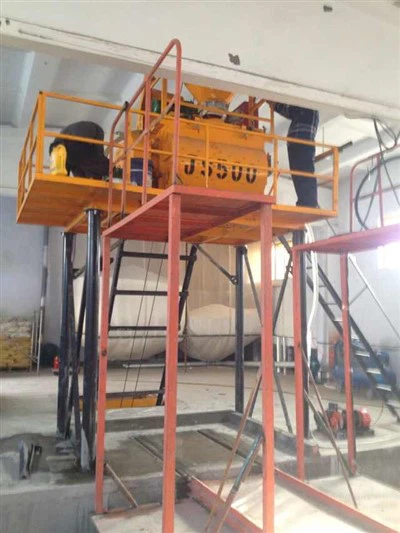
As a supplier, we take several measures to ensure that our polystyrene wall panels have a low moisture absorption rate. First, we use high - quality raw materials and advanced manufacturing processes to produce panels with a uniform and dense cell structure. Second, we apply special coatings or additives to the panels to enhance their water - repellent properties. Finally, we conduct rigorous quality control tests to ensure that all our panels meet the required moisture absorption standards.
Conclusion
The moisture absorption rate of polystyrene wall panels is a key factor that affects their performance, durability, and suitability for different applications. With their low moisture absorption rates, our polystyrene wall panels offer excellent structural integrity, thermal insulation, and resistance to mold and mildew. Whether you are building a residential home, a commercial building, or a specialized facility, our range of polystyrene wall panels can meet your needs.
If you are interested in learning more about our polystyrene wall panels or would like to discuss your specific requirements, please feel free to contact us. We are always ready to assist you in finding the best solutions for your construction projects.
References
- ASTM C578 - Standard Specification for Rigid, Cellular Polystyrene Thermal Insulation
- Building Materials Handbook: Properties, Selection, and Applications