
Expanded polystyrene (EPS) wall panels have gained significant popularity in the construction industry due to their lightweight nature, excellent insulation properties, and cost - effectiveness. As a reputable supplier of Expanded Polystyrene Wall Panels, I often receive inquiries about various aspects of these panels, and one question that frequently comes up is: What is the moisture absorption rate of expanded polystyrene wall panels?
Understanding Expanded Polystyrene Wall Panels
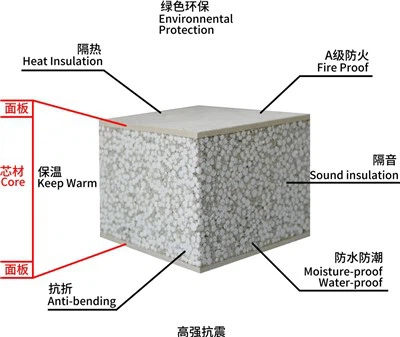
Before delving into the moisture absorption rate, it's essential to understand what expanded polystyrene wall panels are. EPS is a rigid foam material made from expanded polystyrene beads. These beads are fused together under heat and pressure to form a solid panel. EPS wall panels are commonly used for insulation purposes in both residential and commercial buildings. They can be installed on exterior walls, interior walls, and even in floors and roofs to reduce heat transfer and improve energy efficiency.
EPS wall panels come in different types and configurations. For instance, EPS Insulation Panels are designed specifically to provide high - level thermal insulation. The Foam Concrete Cement Sandwich Panel combines the insulation properties of EPS with the strength and durability of foam concrete. Another popular option is the 90mm EPS Concrete Sandwich Board, which offers a balanced combination of insulation and structural support.
Moisture Absorption in Building Materials
Moisture absorption is a critical factor to consider in building materials. When a material absorbs moisture, it can lead to several problems. Firstly, it can reduce the insulation effectiveness of the material. For insulation materials like EPS wall panels, moisture absorption can cause the thermal conductivity to increase, meaning that the panel will be less efficient at keeping heat in or out of the building. Secondly, moisture can promote the growth of mold and mildew, which can pose health risks to the building occupants. Additionally, prolonged exposure to moisture can weaken the structural integrity of the material over time.
Moisture Absorption Rate of Expanded Polystyrene Wall Panels
The moisture absorption rate of expanded polystyrene wall panels is relatively low compared to many other building materials. EPS is a hydrophobic material, which means it has a natural resistance to water. According to industry standards and research, the moisture absorption rate of EPS wall panels is typically less than 1% by volume after 28 days of immersion in water. This low moisture absorption rate is one of the key advantages of using EPS wall panels in construction.
The low moisture absorption is due to the closed - cell structure of EPS. The cells in EPS are small and sealed, preventing water from easily penetrating the material. When water comes into contact with an EPS wall panel, it tends to bead up on the surface rather than being absorbed into the panel. This property makes EPS wall panels suitable for use in areas with high humidity or where there is a risk of water exposure, such as basements and exterior walls.
However, it's important to note that the moisture absorption rate can be affected by several factors. The quality of the EPS material is a significant factor. High - quality EPS wall panels with a well - formed closed - cell structure will have a lower moisture absorption rate compared to lower - quality panels. The manufacturing process also plays a role. Panels that are properly manufactured and cured will have better resistance to moisture.
Another factor is the presence of any surface treatments or coatings on the EPS wall panels. Some coatings can further enhance the water - resistance of the panels, reducing the moisture absorption rate even more. On the other hand, if the panels are damaged or have cracks, water can penetrate through these openings and increase the moisture absorption.
Testing the Moisture Absorption Rate
To accurately determine the moisture absorption rate of EPS wall panels, standardized testing methods are used. One common method is the immersion test. In this test, a sample of the EPS wall panel is weighed before being immersed in water for a specified period, usually 28 days. After the immersion period, the sample is removed from the water, surface - dried, and weighed again. The difference in weight before and after immersion is used to calculate the moisture absorption rate as a percentage of the original volume of the sample.
Benefits of Low Moisture Absorption in EPS Wall Panels
The low moisture absorption rate of EPS wall panels offers several benefits in construction. As mentioned earlier, it helps to maintain the insulation performance of the panels. Since moisture does not easily penetrate the panels, the thermal conductivity remains stable over time, ensuring that the building remains energy - efficient.
The low moisture absorption also contributes to the long - term durability of the panels. Without excessive moisture, the risk of mold and mildew growth is reduced, which helps to maintain a healthy indoor environment. Additionally, the structural integrity of the panels is preserved, as moisture - related damage such as rot and decay is minimized.
Applications of EPS Wall Panels Based on Moisture Absorption
Due to their low moisture absorption rate, EPS wall panels can be used in a wide range of applications. In residential construction, they are commonly used for exterior wall insulation. The low moisture absorption ensures that the insulation remains effective even in areas with high rainfall or humidity. They can also be used in interior walls, especially in areas where moisture control is important, such as bathrooms and kitchens.
In commercial construction, EPS wall panels are used in warehouses, cold storage facilities, and industrial buildings. In cold storage facilities, the low moisture absorption helps to maintain the low - temperature environment by preventing moisture from entering the building and causing ice formation. In industrial buildings, the panels can provide insulation while also withstanding the harsh environmental conditions.
Maintaining the Low Moisture Absorption of EPS Wall Panels
To ensure that EPS wall panels continue to have a low moisture absorption rate, proper installation and maintenance are essential. During installation, it's important to seal the joints between the panels properly to prevent water from seeping in. The panels should also be protected from physical damage during handling and installation.
Regular inspections of the panels are recommended. If any damage or cracks are detected, they should be repaired immediately to prevent water from entering the panel. Additionally, any surface coatings or treatments should be maintained according to the manufacturer's instructions to ensure their effectiveness in enhancing water - resistance.
Conclusion
In conclusion, the moisture absorption rate of expanded polystyrene wall panels is relatively low, making them an excellent choice for a variety of construction applications. Their hydrophobic nature and closed - cell structure contribute to this low moisture absorption, which helps to maintain insulation performance, durability, and a healthy indoor environment. As a supplier of Expanded Polystyrene Wall Panels, I am confident in the quality and performance of our products.


If you are interested in learning more about our EPS wall panels or are considering a purchase for your construction project, I encourage you to contact us for a detailed discussion. We can provide you with samples, technical specifications, and pricing information to help you make an informed decision. Let's work together to create energy - efficient and durable buildings with our high - quality EPS wall panels.
References
- ASTM C578 - Standard Specification for Rigid, Cellular Polystyrene Thermal Insulation
- Industry research reports on the properties of expanded polystyrene in construction