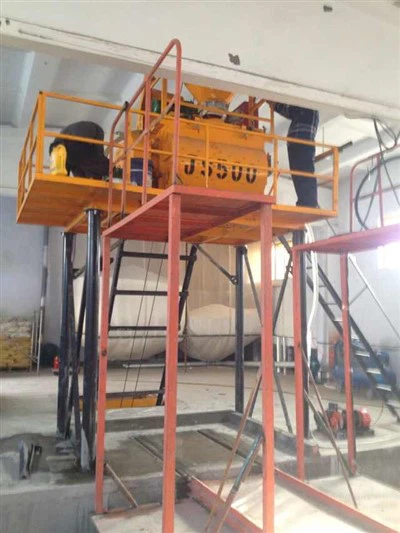

Hey there! As a supplier of 100mm lightweight sandwich panels, I often get asked about the impact resistance of these panels. So, I thought I'd take a moment to share some insights on this topic.
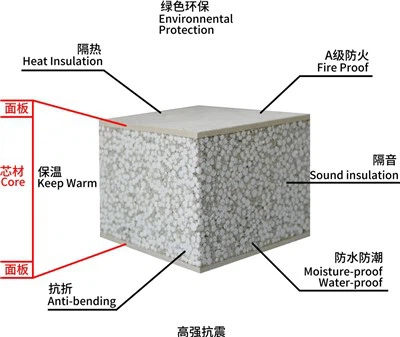
First off, let's talk about what a 100mm lightweight sandwich panel is. It's basically a composite material made up of two outer layers, called facings, and a core material in between. The facings can be made of various materials like metal, fiber cement, or even plastic, while the core is typically a lightweight material such as expanded polystyrene (EPS), polyurethane foam, or mineral wool.


Now, let's get to the main question: What's the impact resistance of a 100mm lightweight sandwich panel? Well, it depends on a few factors.
Factors Affecting Impact Resistance
1. Facing Material
The type of facing material plays a crucial role in determining the impact resistance of the panel. For example, metal facings are generally more impact - resistant than plastic facings. Metal has high strength and can absorb and distribute the energy from an impact over a larger area. Fiber cement facings also offer good impact resistance. They are durable and can withstand moderate impacts without cracking or breaking. You can check out our Fiber Cement Sandwich Panel for more details.
2. Core Material
The core material also affects the panel's ability to resist impacts. A denser core material can provide better support to the facings and help in absorbing the impact energy. For instance, polyurethane foam cores are known for their good energy - absorbing properties. On the other hand, EPS cores are lightweight but may not be as effective in high - impact situations. However, they are still suitable for many applications where the risk of heavy impacts is low. Check out our Expanded Polystyrene Wall Panels to learn more about EPS - based panels.
3. Panel Thickness
As the name suggests, we're talking about 100mm panels here. Generally, thicker panels tend to have better impact resistance than thinner ones. The extra thickness provides more material to absorb and dissipate the impact energy. The 100mm thickness gives our panels a good balance between weight and impact - absorbing capacity.
Testing Impact Resistance
We test our 100mm lightweight sandwich panels to ensure they meet certain impact - resistance standards. One common test method is the drop - weight test. In this test, a weighted object is dropped from a specific height onto the panel, and we measure the damage or deformation caused. We also conduct pendulum impact tests, where a swinging pendulum hits the panel with a known amount of energy.
Based on these tests, our panels have shown that they can withstand a fair amount of impact. For normal industrial and commercial applications, they can resist impacts from accidental collisions with equipment or minor falls. However, for applications where there's a high risk of heavy impacts, like in areas with heavy machinery or high - traffic zones, we may recommend additional reinforcement or using panels with stronger facing and core materials.
Applications and Impact Resistance Requirements
The impact - resistance requirements vary depending on the application.
Fireproof Partition Wall Panels
In the case of Fireproof Partition Wall Panels, impact resistance is important, but it's not the only factor. These panels are mainly used to separate different areas in a building and provide fire protection. While they need to be able to withstand minor impacts from people moving around or light equipment, their primary function is fire resistance. Our fireproof partition wall panels are designed to meet both fire - safety standards and have adequate impact resistance for their intended use.
Industrial Buildings
For industrial buildings, the panels need to be more impact - resistant. In a factory environment, there's a higher chance of equipment collisions or falling objects. Our 100mm lightweight sandwich panels can be a great choice for industrial building walls and roofs. They can handle the day - to - day impacts that occur in these settings while still providing good insulation and other benefits.
Residential Buildings
In residential buildings, the impact - resistance requirements are relatively lower. The panels are mainly used for exterior walls and partitions. They need to be able to withstand normal wear and tear, like accidental bumps from furniture or people. Our panels are well - suited for these applications, offering a combination of good looks, insulation, and sufficient impact resistance.
Advantages of Our 100mm Lightweight Sandwich Panels in Terms of Impact Resistance
One of the big advantages of our panels is that they offer a good balance between impact resistance and weight. The lightweight nature of the panels makes them easy to handle during installation, which can save time and labor costs. At the same time, they still have enough impact resistance to serve their purpose in a variety of applications.
Another advantage is that our panels are customizable. We can adjust the facing and core materials according to your specific impact - resistance requirements. If you need a panel with higher impact resistance, we can use stronger facings and denser core materials.
Conclusion
In conclusion, the impact resistance of our 100mm lightweight sandwich panels is influenced by factors like facing material, core material, and panel thickness. We test our panels to ensure they meet certain standards and can withstand impacts in different applications. Whether you're looking for Fireproof Partition Wall Panels, Fiber Cement Sandwich Panel, or Expanded Polystyrene Wall Panels, we have options that can meet your impact - resistance needs.
If you're interested in our 100mm lightweight sandwich panels and want to discuss your specific requirements, feel free to reach out to us. We're always happy to have a chat and help you find the best panel solution for your project.
References
- ASTM International. (20XX). Standard test methods for impact resistance of flat rigid plastic specimens by means of a falling dart (tup method).
- ISO (International Organization for Standardization). (20XX). ISO XX:XXXX - Impact testing of building materials.